
Georgia Construction Pros
Construction & Remodeling Experts in Georgia
Georgia Construction Pros plans and builds kitchen and bathroom remodels, roofing, repairs, commercial projects and new homes for Georgia homeowners and businesses. Work here is shaped by statewide minimum codes that local governments enforce, a humid climate that runs from the coastal plain to the north Georgia mountains, and housing that ranges from homes built before 1940 to recent subdivisions and multifamily buildings. Each project starts by confirming the permit office, the code edition and any historic district or association rules for your address. Service areas in Georgia are still being confirmed, so availability is checked before anything is scheduled.
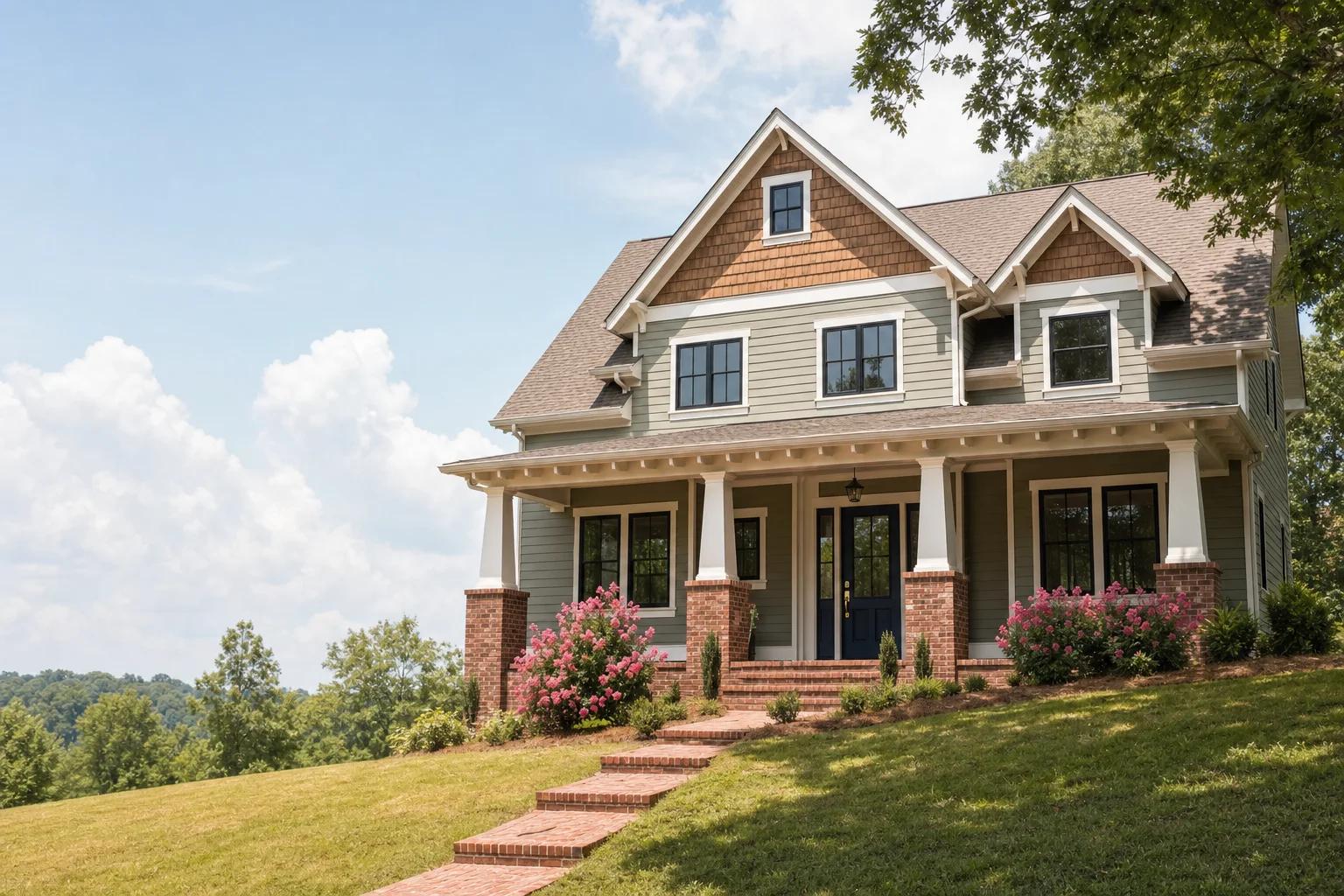
Georgia
Construction Pros
Kitchens, baths, roofing, repairs and new construction planned around Georgia codes, humid summers and local permit rules.
Building in Georgia
What shapes a project in Georgia

Statewide minimum codes, with new editions on January 1, 2027
The Georgia Department of Community Affairs (DCA) adopts the State Minimum Standard Codes. The mandatory codes, which cover building, residential, fire, plumbing, mechanical, fuel gas, electrical, energy and swimming pools, apply to all construction whether or not a local government enforces them. DCA has adopted the 2024 International Residential Code and International Building Code with Georgia amendments, along with 2024 plumbing, mechanical and fuel gas codes, effective January 1, 2027. Because the new editions start on a set date, the edition that applies to a project is confirmed with the permit office.
Local governments choose what they enforce and can only tighten it
Each city or county decides which mandatory codes it enforces locally and must adopt administrative procedures to enforce them. Local governments may require permits and set permit fees. A local amendment cannot be less stringent than the state code and must be justified by local climatic, geologic, topographic or public safety factors. The local government sends a proposed amendment to DCA 60 days before adoption, and DCA makes a recommendation rather than approving or rejecting it.
Energy code and three humid climate zones
Georgia's energy code is the 2015 International Energy Conservation Code with Georgia amendments, in effect since January 1, 2020; the commercial code pairs the 2015 IECC with ASHRAE 90.1-2013, also with amendments. Every Georgia county falls in the humid (A) moisture regime. Coastal and southern counties such as Chatham and Lowndes are in climate zone 2A. Zone 3A covers 102 of the state's 159 counties, including Fulton, Richmond, Muscogee, Bibb and Clarke. The 22 counties in zone 4A are in north Georgia and include Rabun, Towns and Whitfield.
Hurricanes on the coast, radon in the north
The Atlantic hurricane season runs from June 1 to November 30, with most activity between mid-August and mid-October, which matters most for exterior work near the coast. Chatham County's emergency management agency publishes hurricane evacuation zones and hurricane maps for the county. In north Georgia, the University of Georgia's radon program notes that radon is prevalent in the region's granite-rich soils and that testing is the only way to know a home's level.
Termites, moisture and a mixed housing stock
UGA Extension describes subterranean termites as a normal part of the soil around buildings and names leaky plumbing, pooled roof water, water trapped behind siding and clogged gutters as conditions that let colonies live inside a structure. The 2020-2024 American Community Survey counted about 4.54 million housing units in Georgia, about 66 percent of them single-family detached homes and about 8 percent mobile homes. About 32 percent were built before 1980 and about 35 percent in 2000 or later.
Sources (13)
- Georgia Department of Community Affairs · checked 2026-09-24
- Georgia Department of Community Affairs · checked 2026-09-24
- Georgia Department of Community Affairs · checked 2026-09-24
- Georgia Department of Community Affairs · checked 2026-09-24
- Georgia Department of Community Affairs · checked 2026-09-24
- U.S. Department of Energy, Building Energy Codes Program · checked 2026-09-24
- U.S. Department of Energy, Building America (Guide to Determining Climate Regions by County) · checked 2026-09-24
- NOAA National Hurricane Center · checked 2026-09-24
- Chatham Emergency Management Agency · checked 2026-09-24
- University of Georgia Cooperative Extension Radon Program · checked 2026-09-24
- University of Georgia Cooperative Extension (Bulletin 1209) · checked 2026-09-24
- University of Georgia Cooperative Extension (Bulletin 1241) · checked 2026-09-24
- U.S. Census Bureau, American Community Survey 2020-2024 5-year estimates, tables B25034, B25024 and B25003 (via Census Reporter) · checked 2026-09-24
Licensing & permits
Verify any contractor in Georgia
Contractor licensing
Georgia State Licensing Board for Residential and General Contractors (Office of the Secretary of State, Professional Licensing Boards Division)
Georgia requires a state license to engage in residential or general contracting. A residential contractor license is required when the value of the work exceeds $2,500; the residential-basic class covers one- and two-family homes and townhouses up to three stories, and the residential-light commercial class adds certain multifamily and multiuse light commercial buildings. General contractors are not limited by type of work, subject to any financial limits of their subclassification. Repair work that does not affect structural integrity is exempt if the worker tells the owner they are unlicensed, and owners building for their own family's use are exempt. Electrical contractors, plumbers and conditioned-air contractors hold separate state trade licenses. Ask any contractor for license numbers and confirm them with the Georgia Secretary of State before you sign.
Check a contractor’s status (opens the official Georgia site in a new tab)Building permits
Permits in Georgia
Building permits in Georgia are issued by city and county governments, including consolidated city-county governments such as Augusta-Richmond County, Columbus and Macon-Bibb County. State minimum codes apply to all construction, but each local government decides which codes it enforces, sets its own procedures and permit fees, and may add stricter local amendments. Many permit offices now take applications through online portals. What needs a permit, and which plans and inspections are required, varies by jurisdiction, so the permit path for your address is confirmed during planning.
Sources (9)
- Georgia Department of Community Affairs · checked 2026-09-24
- Georgia Department of Community Affairs · checked 2026-09-24
- Official Code of Georgia Annotated § 43-41-2 (via FindLaw) · checked 2026-09-24
- Official Code of Georgia Annotated § 43-41-17 (via FindLaw) · checked 2026-09-24
- Official Code of Georgia Annotated § 43-14-8 (via FindLaw) · checked 2026-09-24
- Georgia Secretary of State, Rules of the State Licensing Board for Residential and General Contractors · checked 2026-09-24
- Augusta Planning & Development Department · checked 2026-09-24
- Columbus Consolidated Government Inspections & Code Department · checked 2026-09-24
- Macon-Bibb County Building and Fire Safety · checked 2026-09-24
Our services
Construction & Remodeling Services in Georgia
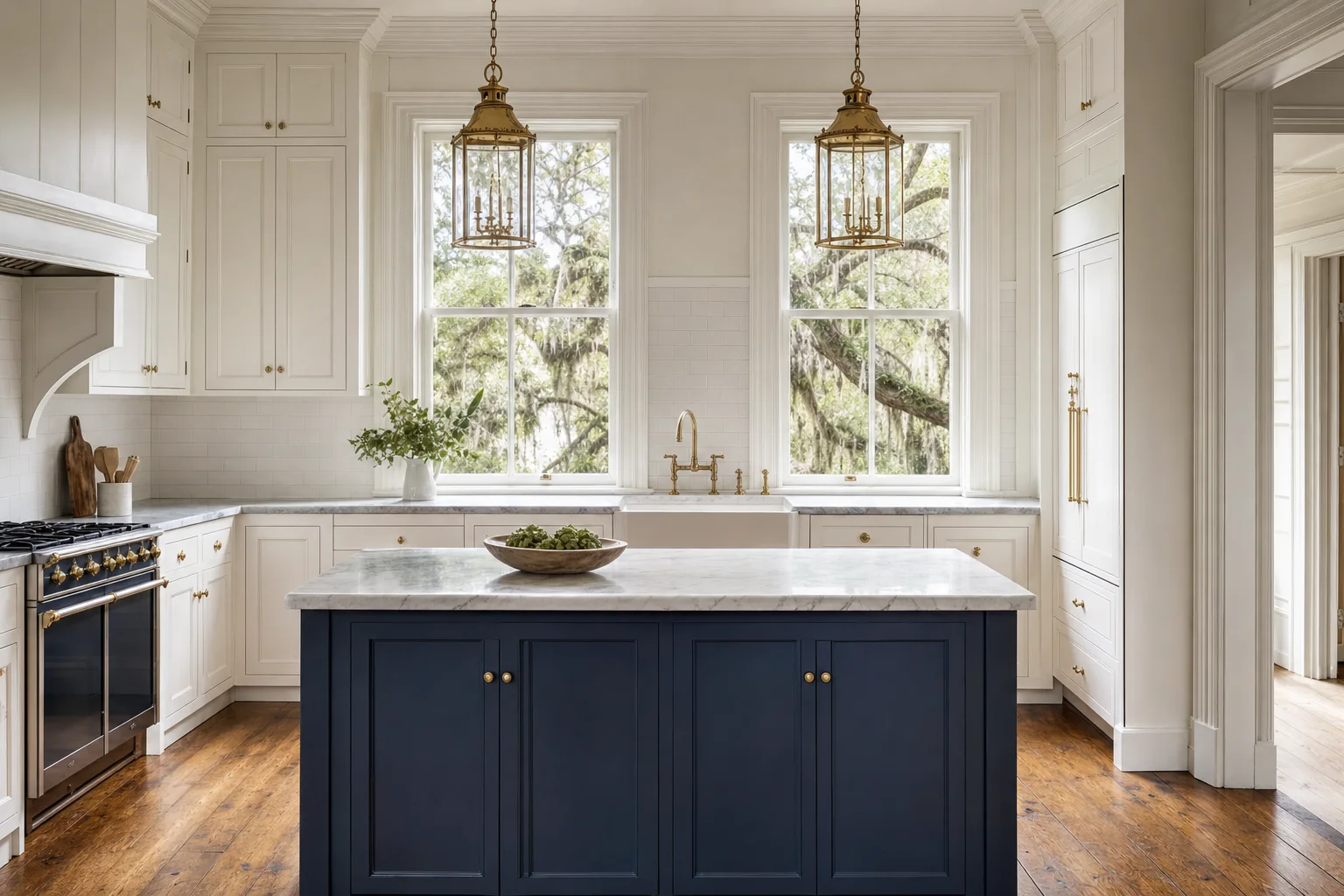
Illustrative image Kitchen Remodeling
Kitchen remodels that update the layout, cabinets, counters, lighting and finishes, planned around how you cook and use the room.
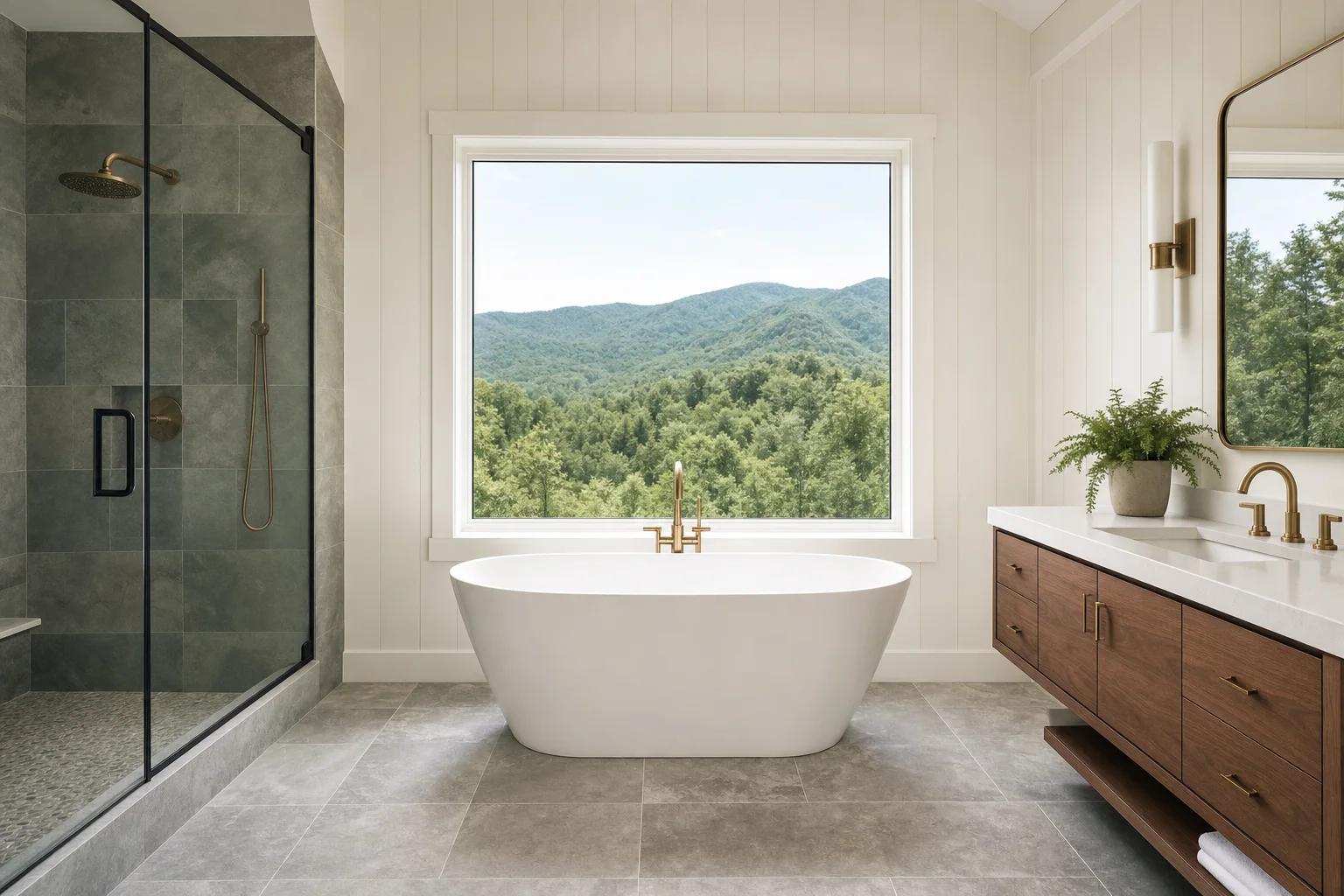
Illustrative image Bathroom Remodeling
Bathroom remodels built on sound waterproofing and ventilation, with fixtures and finishes that fit who uses the room.
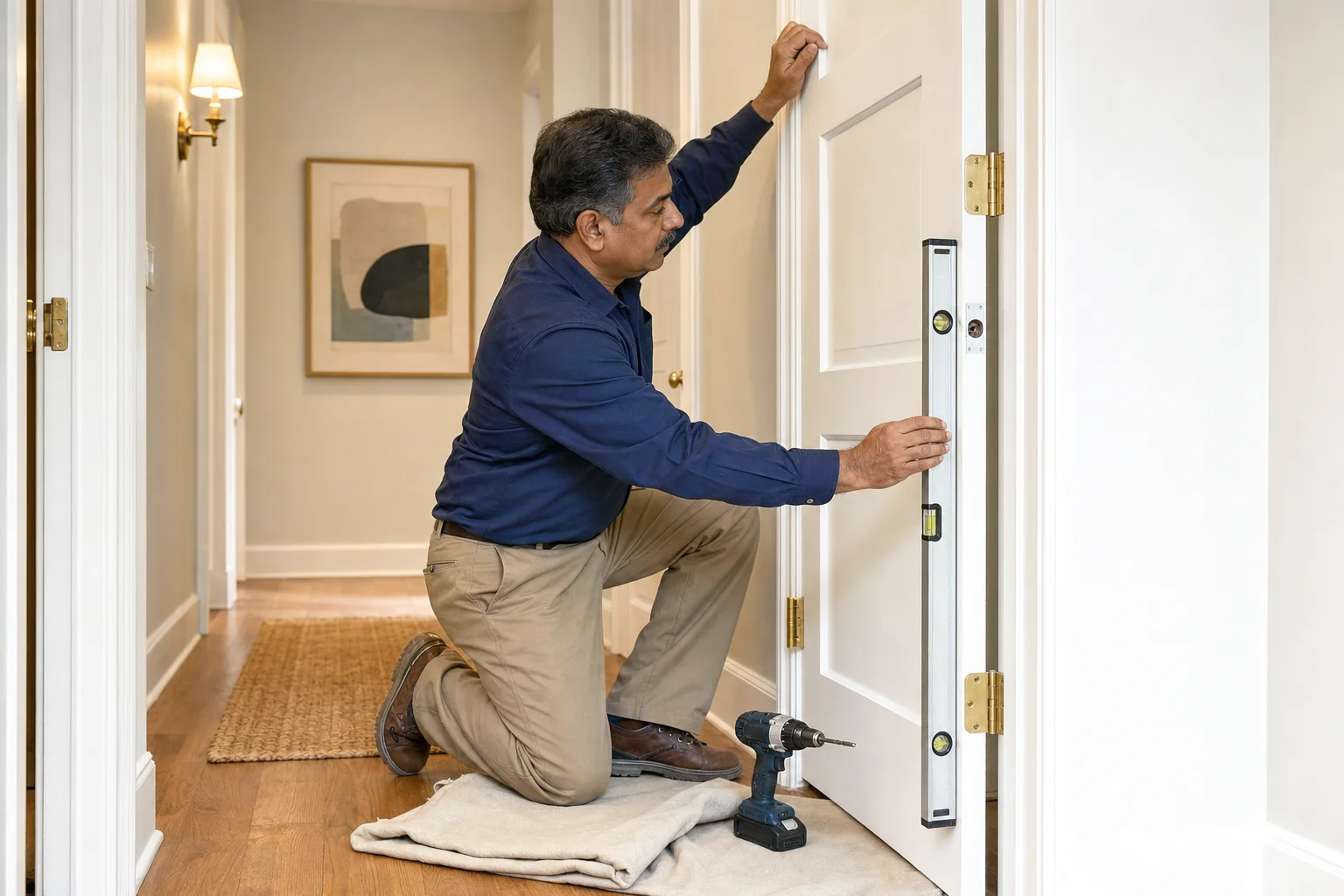
Illustrative image Repairs & Maintenance
Planned repair visits for the small and mid-size problems that build up in a home or building, from sticking doors to rotted trim and loose railings.
Inspiration
Design inspiration for Georgia projects
Styles, materials and layouts suited to Georgia homes and businesses, to help you picture your own project.
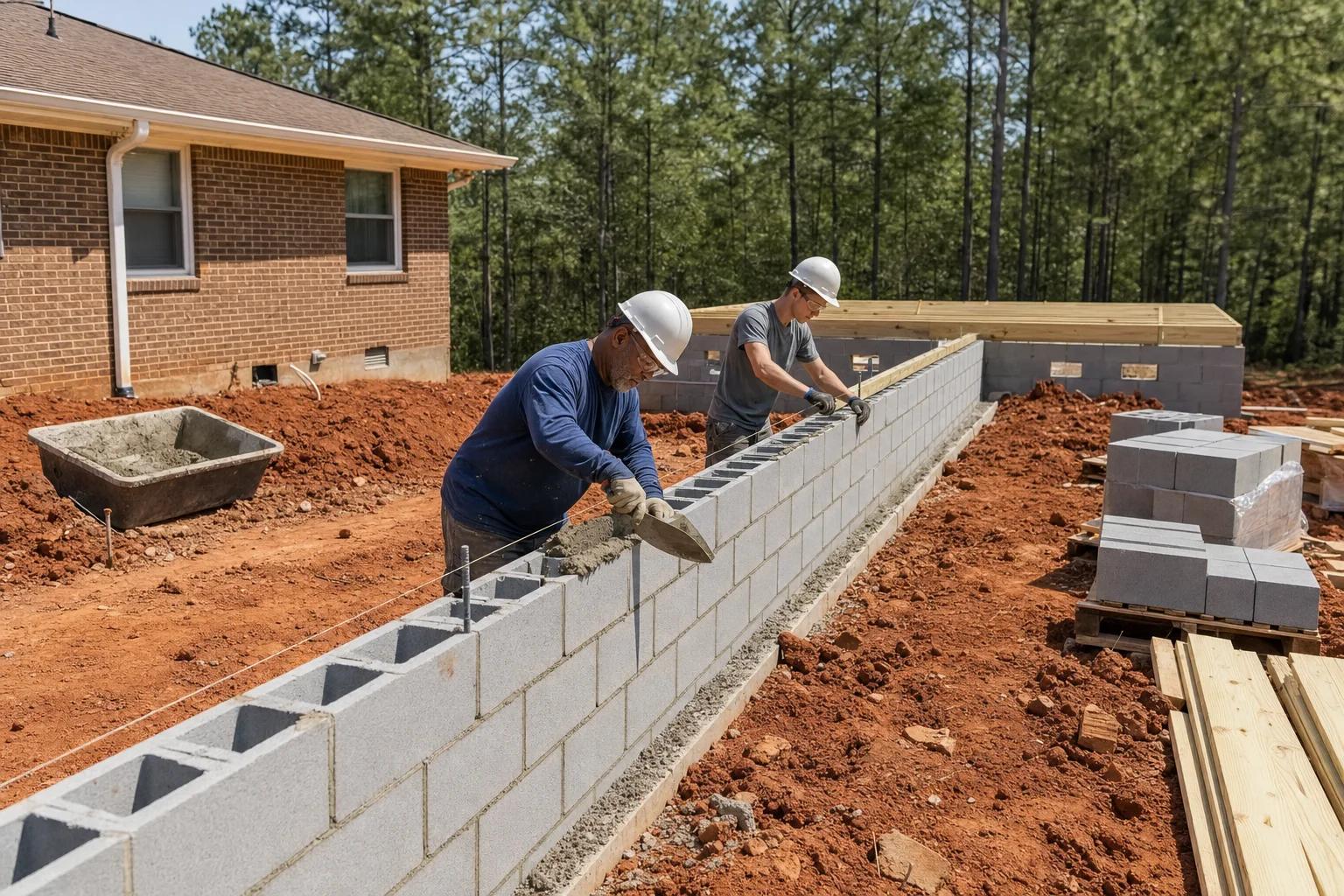
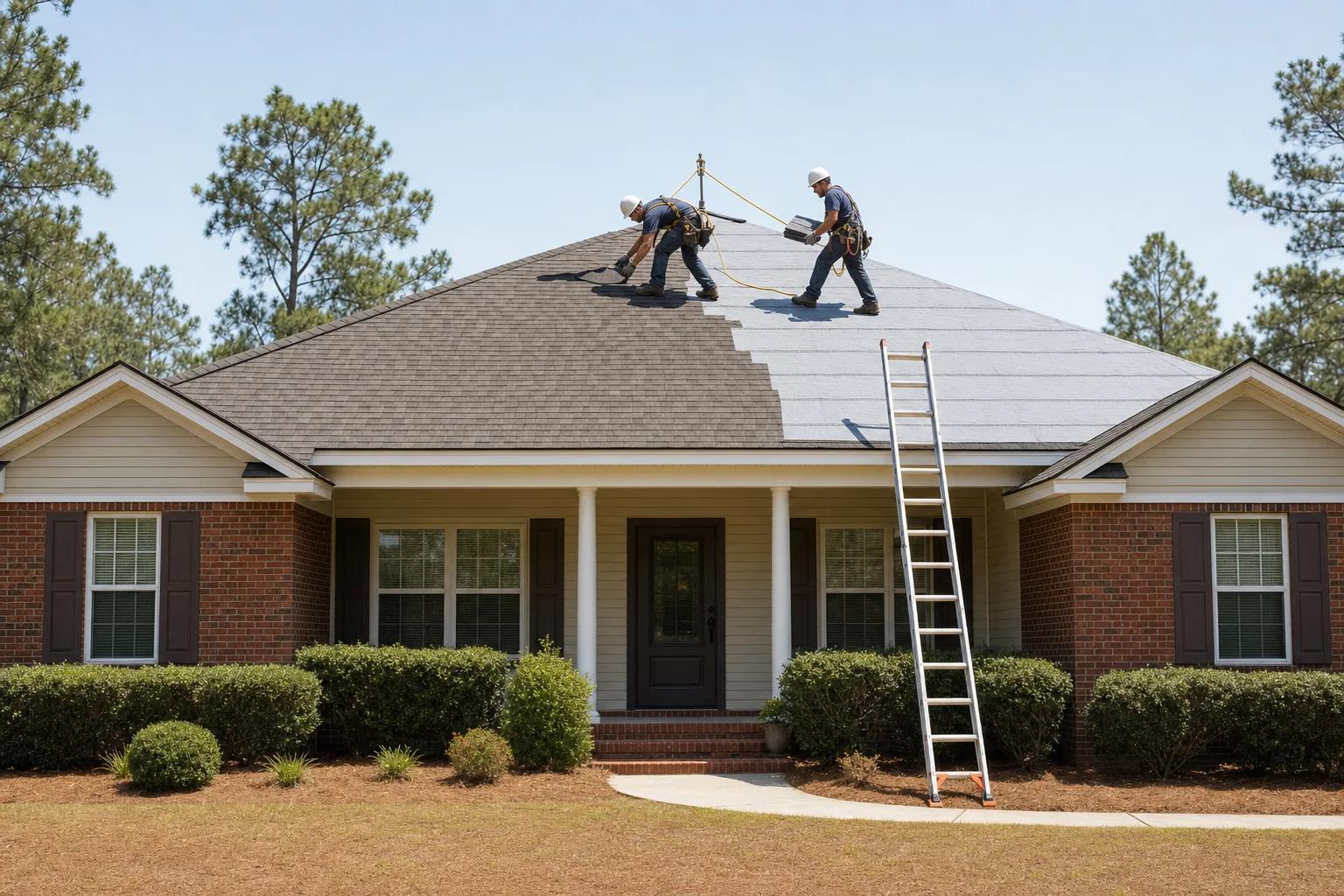
Images are illustrative and created for this website. They are not photographs of completed customer projects.
How it works
Our Simple 4-Step Process
- 1
Consult
Tell us about your project and goals. We review the location, scope and any constraints.
- 2
Plan
We define the scope in writing, confirm selections and identify permits the work may need.
- 3
Build
Work proceeds against the agreed plan, with updates when decisions or changes come up.
- 4
Enjoy
We walk through the finished work with you and hand over care and warranty information.
Questions
Georgia Project FAQs
Do I need a building permit to remodel in Georgia?
That depends on your city or county. Local governments set their own permit procedures under the state minimum codes. Valdosta, for example, requires a building permit to construct, enlarge, alter, repair, move, demolish or change the occupancy of a building. We confirm what your project needs with the local permit office during planning.
How do I check a contractor's license in Georgia?
Residential and general contractors need a state license from the State Licensing Board for Residential and General Contractors, which is part of the Secretary of State's Professional Licensing Boards Division; for residential work the requirement applies when the job exceeds $2,500. Electricians, plumbers and conditioned-air contractors hold separate state licenses. Ask for each license number and confirm it with the Secretary of State. Someone doing non-structural repairs without a license must tell you they are unlicensed.
Which building code edition will apply to my project?
DCA has adopted the 2024 International Residential and Building Codes with Georgia amendments, effective January 1, 2027. The energy code remains the 2015 IECC with Georgia amendments. Because the new editions start on a set date, and because local governments may adopt stricter amendments, we confirm the edition with your permit office before plans are finished.
When is a good time to schedule roofing or other exterior work?
Near the coast, it helps to plan around the Atlantic hurricane season, which runs from June 1 to November 30 and is most active from mid-August to mid-October. Inland, the main planning questions are usually material lead times, permit review and keeping the house dried-in during summer storms. We set the schedule once the scope and permit path are clear.
Does a historic district or HOA need to approve my project?
It depends on where the property is. In Savannah's historic and conservation districts, many exterior changes visible from the public right-of-way need a Certificate of Appropriateness, and Athens-Clarke County requires one before exterior changes in its local historic districts and landmarks. Homeowners association covenants are separate from city rules, so check your association documents early, since approval can take time.
What should I check in an older Georgia home before remodeling?
About 32 percent of Georgia's homes were built before 1980, so opening walls and floors can reveal older wiring, plumbing and framing. Look for past leaks and wood damage, since UGA Extension links moisture from plumbing, roofs, siding and gutters to termite activity. In north Georgia, a radon test is worth doing before finishing a basement or lower level.
Sources (15)
- Georgia Department of Community Affairs · checked 2026-09-24
- Georgia Department of Community Affairs · checked 2026-09-24
- Georgia Department of Community Affairs · checked 2026-09-24
- Georgia Department of Community Affairs · checked 2026-09-24
- Official Code of Georgia Annotated § 43-41-2 (via FindLaw) · checked 2026-09-24
- Official Code of Georgia Annotated § 43-41-17 (via FindLaw) · checked 2026-09-24
- Official Code of Georgia Annotated § 43-14-8 (via FindLaw) · checked 2026-09-24
- Georgia Secretary of State, Rules of the State Licensing Board for Residential and General Contractors · checked 2026-09-24
- NOAA National Hurricane Center · checked 2026-09-24
- University of Georgia Cooperative Extension Radon Program · checked 2026-09-24
- University of Georgia Cooperative Extension (Bulletin 1209) · checked 2026-09-24
- U.S. Census Bureau, American Community Survey 2020-2024 5-year estimates, tables B25034, B25024 and B25003 (via Census Reporter) · checked 2026-09-24
- Chatham County-Savannah Metropolitan Planning Commission · checked 2026-09-24
- Athens-Clarke County Planning Department · checked 2026-09-24
- City of Valdosta Inspections Division · checked 2026-09-24
Local resources
Planning guides for Georgia
Ready to Start Your Georgia Project?
Tell us what you are planning and where. We'll confirm availability for your address and follow up to talk through scope and next steps.