
Maryland Construction Pros
Construction & Remodeling Experts in Maryland
Maryland Construction Pros plans and builds kitchen and bathroom remodels, roofing, repairs, commercial projects and new homes for Maryland homeowners and businesses. About half of the state's homes were built before 1980, and in Baltimore more than 4 in 10 date from 1939 or earlier, so many projects start with older framing, wiring and plumbing. Work is planned to the Maryland Building Performance Standards as each county or city adopts them, and to local rules such as historic district review and the Chesapeake Bay Critical Area. Service in your area is still being confirmed, so we check your project address before anything is scheduled.
Maryland
Construction Pros
Remodeling, roofing, repairs and new construction planned around Maryland's local codes, Bay rules and older homes.
Serving communities across Maryland
Service areasBuilding in Maryland
What shapes a project in Maryland

One state standard, adopted and amended locally
The Maryland Building Performance Standards are based on the International Building Code, International Residential Code and International Energy Conservation Code. The state must adopt new ICC editions within 18 months, and each local jurisdiction then has up to 12 months to adopt them with its own amendments. Local amendments may not weaken the energy code or the Maryland Accessibility Code, and a local amendment that conflicts with the state standards prevails in that jurisdiction, so the rules in force can differ between counties and cities.
Energy code and climate zones
The U.S. Department of Energy lists the 2021 IECC with Maryland amendments as the state's residential and commercial energy code, effective May 29, 2023. DOE's county climate guide places Garrett County in Climate Zone 5A and every other county, plus Baltimore City, in Zone 4A (mixed-humid). State law allows energy requirements stricter than the IECC but not weaker ones. Insulation, window and air-sealing targets follow the zone and the code edition the local permit office enforces.
Tidal shoreline: Critical Area and flood maps
The Chesapeake Bay Critical Area covers the Bay and its tidal tributaries plus land within 1,000 feet of the landward edge of tidal wetlands and the head of tide. The Critical Area Commission describes a buffer of at least 100 feet next to tidal waters, tidal wetlands and tributary streams, where new structures and new lot coverage generally are not permitted, and it offers a map to check whether a property is inside the Critical Area. Separately, the State of Maryland works with FEMA to update flood insurance rate maps, and the state's Flood Risk Application shows a property's existing and preliminary flood status. Waterside additions, decks and new homes should be checked against both early in planning.
Older housing and lead-safe rentals
About 51% of Maryland's housing units were built before 1980, and about 11% in 1939 or earlier, according to the Census Bureau's 2020-2024 American Community Survey. About 21% are single-family attached homes such as rowhouses and townhouses. Owners of rental units built before 1978 must register them with MDE and pass a lead dust inspection before each change in occupancy, and work done to meet those standards must be performed by MDE-trained or accredited workers and contractors.
Sources (12)
- Maryland Department of Labor, Building Codes Administration · checked 2026-09-24
- Maryland Department of Labor, Building Codes Administration · checked 2026-09-24
- Maryland General Assembly (Public Safety Article 12-503) · checked 2026-09-24
- Maryland General Assembly (Public Safety Article 12-504) · checked 2026-09-24
- U.S. Department of Energy, Building Energy Codes Program · checked 2026-09-24
- U.S. Department of Energy, Building America (Guide to Determining Climate Regions by County) · checked 2026-09-24
- Maryland General Assembly (Natural Resources Article 8-1807) · checked 2026-09-24
- Critical Area Commission for the Chesapeake and Atlantic Coastal Bays (Maryland DNR) · checked 2026-09-24
- Critical Area Commission for the Chesapeake and Atlantic Coastal Bays (Maryland DNR) · checked 2026-09-24
- Maryland Department of the Environment with FEMA · checked 2026-09-24
- Maryland Department of the Environment, Lead Poisoning Prevention Program · checked 2026-09-24
- U.S. Census Bureau, American Community Survey 2020-2024 5-year (tables B25034 and B25024, via Census Reporter) · checked 2026-09-24
Licensing & permits
Verify any contractor in Maryland
Contractor licensing
Maryland Home Improvement Commission (Maryland Department of Labor)
Maryland requires a Home Improvement Commission (MHIC) license for contractors and salespersons who do home improvement work, which covers the alteration, remodeling, repair or replacement of a building used as a residence, including individual condominium units. Roofing, siding, kitchen and bath work, decks, windows and doors are among the covered categories. The MHIC license does not cover new home construction; builders of new homes register with the Attorney General's Home Builder Registration Unit, except those who build new homes only in Montgomery County. Trades are licensed separately: all electrical work must be done by a state-licensed master, journeyperson or apprentice electrician; the State Board of Plumbing licenses plumbing and gas work everywhere except Baltimore County and the Washington Suburban Sanitary Commission service area, which have their own systems; and the State Board of HVACR Contractors licenses heating, ventilation, air-conditioning and refrigeration work. Before hiring, check a contractor's MHIC license in the state's online license search and a new home builder's registration in the Attorney General's search.
Check a contractor’s status (opens the official Maryland site in a new tab)Building permits
Permits in Maryland
Building permits in Maryland are issued by local governments. The Maryland Building Performance Standards apply to each building for which a local jurisdiction receives a permit application, and counties and cities adopt them with their own amendments. Some cities run their own permit offices, including Baltimore, Annapolis, Frederick, Hagerstown and Salisbury, while in unincorporated areas the county handles permits, such as Howard County's Department of Inspections, Licenses and Permits and Montgomery County's Department of Permitting Services. Historic district review, Critical Area rules and floodplain review can add steps. Permit needs vary by jurisdiction and scope, so Maryland Construction Pros confirms the permit path with the local office during planning, before work is scheduled.
Sources (19)
- Maryland General Assembly (Public Safety Article 12-503) · checked 2026-09-24
- Maryland General Assembly (Public Safety Article 12-504) · checked 2026-09-24
- Maryland Home Improvement Commission (Maryland Department of Labor) · checked 2026-09-24
- Maryland Home Improvement Commission (Maryland Department of Labor) · checked 2026-09-24
- Maryland Home Improvement Commission (Maryland Department of Labor) · checked 2026-09-24
- Maryland Home Improvement Commission (Maryland Department of Labor) · checked 2026-09-24
- Maryland Office of the Attorney General, Home Builder Registration Unit · checked 2026-09-24
- Maryland Office of the Attorney General · checked 2026-09-24
- Maryland State Board of Master Electricians (Maryland Department of Labor) · checked 2026-09-24
- Maryland State Board of Plumbing (Maryland Department of Labor) · checked 2026-09-24
- Maryland State Board of HVACR Contractors (Maryland Department of Labor) · checked 2026-09-24
- Baltimore City Department of Housing & Community Development · checked 2026-09-24
- Baltimore City Department of Housing & Community Development · checked 2026-09-24
- City of Frederick, Building/Permits Department · checked 2026-09-24
- Montgomery County Department of Permitting Services · checked 2026-09-24
- City of Annapolis Department of Planning and Zoning · checked 2026-09-24
- Howard County Department of Inspections, Licenses & Permits · checked 2026-09-24
- City of Hagerstown Permits Division · checked 2026-09-24
- City of Salisbury Department of Infrastructure & Development · checked 2026-09-24
Our services
Construction & Remodeling Services in Maryland
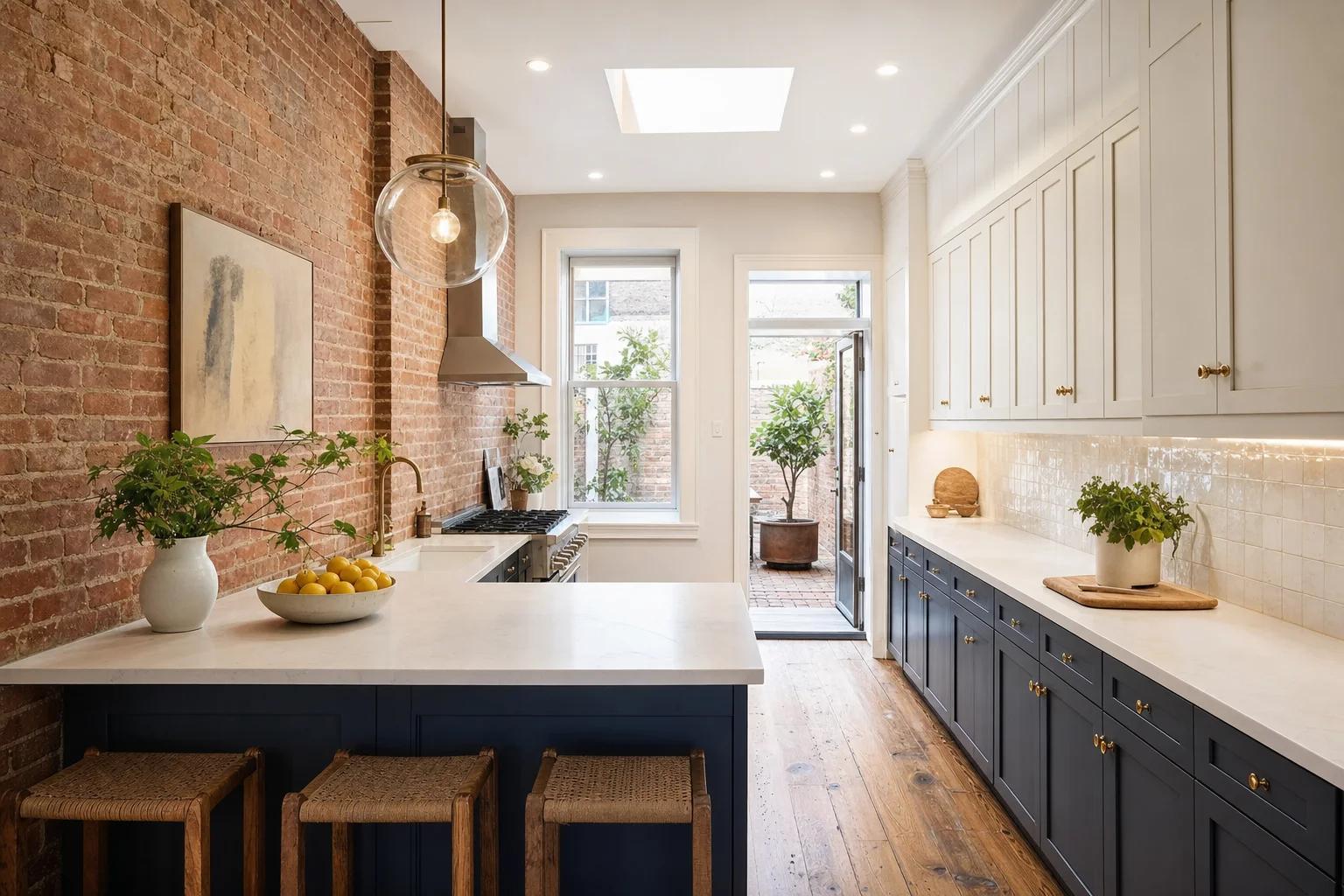
Illustrative image Kitchen Remodeling
Kitchen remodels that update the layout, cabinets, counters, lighting and finishes, planned around how you cook and use the room.

Illustrative image Bathroom Remodeling
Bathroom remodels built on sound waterproofing and ventilation, with fixtures and finishes that fit who uses the room.

Illustrative image Repairs & Maintenance
Planned repair visits for the small and mid-size problems that build up in a home or building, from sticking doors to rotted trim and loose railings.
Inspiration
Design inspiration for Maryland projects
Styles, materials and layouts suited to Maryland homes and businesses, to help you picture your own project.
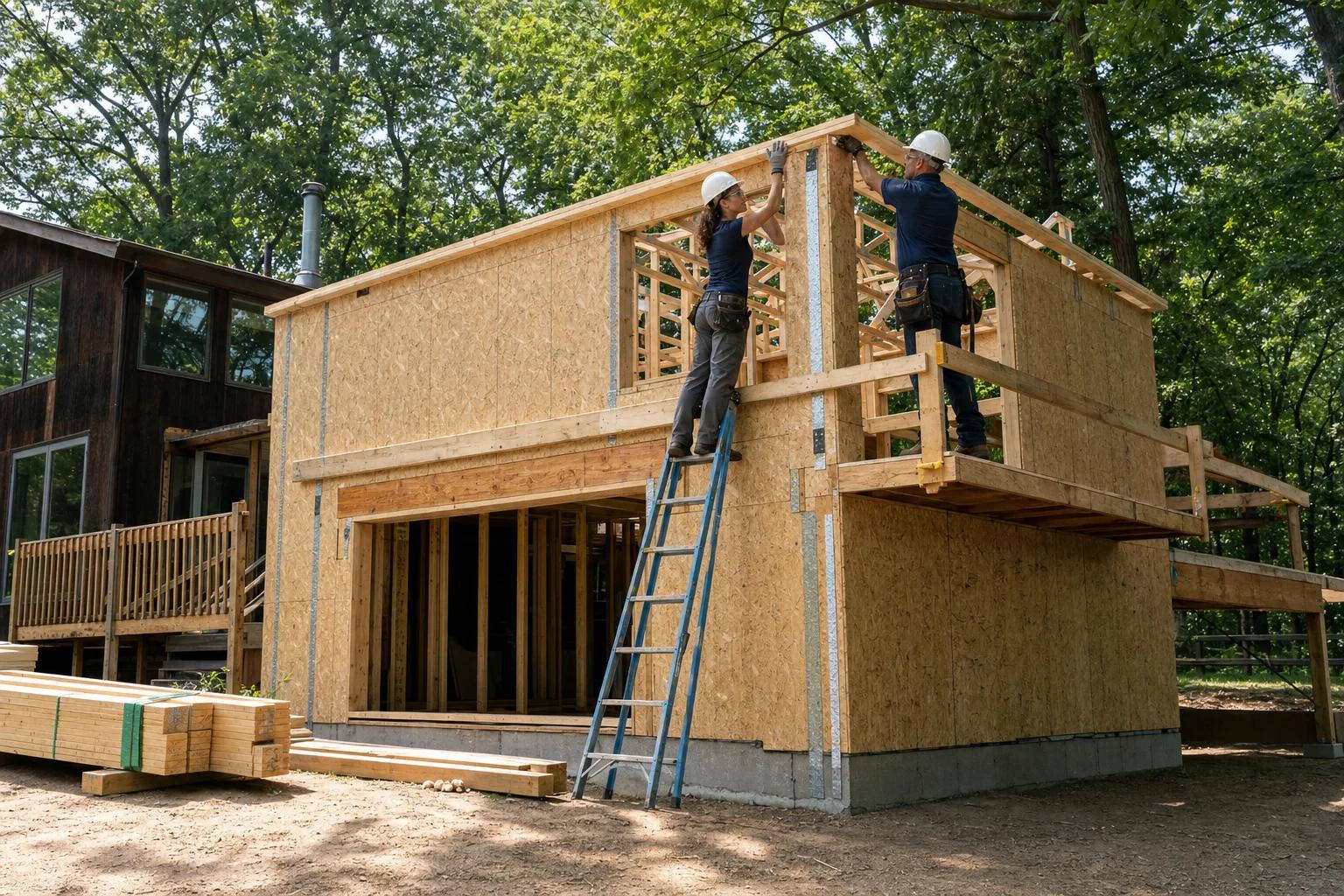
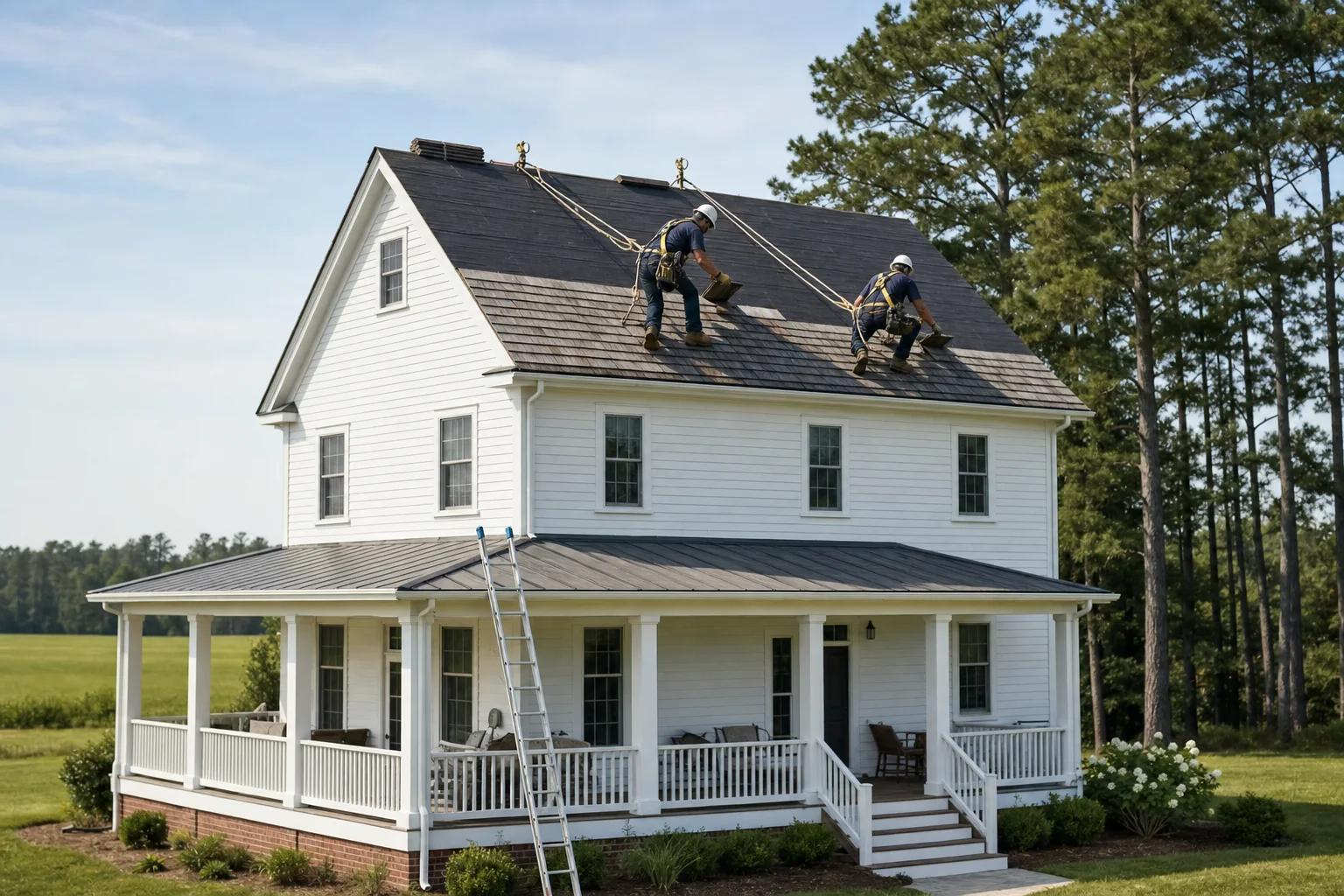
Images are illustrative and created for this website. They are not photographs of completed customer projects.
How it works
Our Simple 4-Step Process
- 1
Consult
Tell us about your project and goals. We review the location, scope and any constraints.
- 2
Plan
We define the scope in writing, confirm selections and identify permits the work may need.
- 3
Build
Work proceeds against the agreed plan, with updates when decisions or changes come up.
- 4
Enjoy
We walk through the finished work with you and hand over care and warranty information.
Questions
Maryland Project FAQs
Do I need a building permit for my project in Maryland?
It depends on where the property is and what the work involves, because counties and cities issue permits. Annapolis does not require a building permit for non-structural replacement of windows, doors and siding on homes outside its Historic District. Hagerstown lists finish work such as painting, tiling and countertops as exempt. Baltimore says minor repairs usually do not need a permit unless the item is completely replaced or significantly changed, but renovations always do. We confirm the permit need with the local office during planning.
How do I check a contractor's license in Maryland?
For remodeling, roofing, siding and other work on a home, look up the contractor or salesperson in the Maryland Home Improvement Commission's online search by name, business name, location or license number. For a new home, check the builder in the Attorney General's Home Builder Registration search. Electricians, plumbers and HVACR contractors hold separate licenses from their own state boards, so ask for those license numbers too.
Which energy code applies to my remodel or new home?
The U.S. Department of Energy lists the 2021 IECC with Maryland amendments, effective May 29, 2023, for homes and commercial buildings. Local jurisdictions may make energy rules stricter but not weaker. Most of Maryland is Climate Zone 4A, and Garrett County is Zone 5A. Cities adopt codes on their own schedule: Frederick applies the 2021 IECC to permits applied for after December 31, 2025, and Annapolis lists the 2021 IECC among its adopted codes.
My property is near the water. What extra rules might apply?
Land within 1,000 feet of tidal wetlands and the head of tide can fall inside the Chesapeake Bay Critical Area. It includes a buffer of at least 100 feet along tidal waters, tidal wetlands and tributary streams, where new structures and new lot coverage generally are not permitted. The Critical Area Commission has a map to check a property. The state's Flood Risk Application shows a property's flood status on the maps Maryland updates with FEMA. In Baltimore, a property in the floodplain is referred for floodplain review as part of the permit.
Does a historic district or community association change what I can do?
Often, for exterior work. Baltimore's Commission for Historical and Architectural Preservation oversees 38 local historic districts, and a permit filed before its design review is put on hold. Annapolis requires a certificate of approval for all exterior projects in its Historic District, even ones exempt from a building permit. In Montgomery County, substantive exterior changes to a historic site need a Historic Area Work Permit. Planned communities can add another layer; each Columbia village, for example, has architectural covenants.
I own an older rental. What should I know before renovating?
Rental units built before 1978 fall under Maryland's lead poisoning prevention law. Owners must register them with the Maryland Department of the Environment and pass a lead dust inspection before each change in occupancy, with no defective paint inside or out. Work done to meet the lead standards must be done by MDE-trained or accredited workers and contractors, so plan the scope and schedule around those steps.
Sources (25)
- Maryland Department of Labor, Building Codes Administration · checked 2026-09-24
- U.S. Department of Energy, Building Energy Codes Program · checked 2026-09-24
- U.S. Department of Energy, Building America (Guide to Determining Climate Regions by County) · checked 2026-09-24
- Maryland General Assembly (Natural Resources Article 8-1807) · checked 2026-09-24
- Critical Area Commission for the Chesapeake and Atlantic Coastal Bays (Maryland DNR) · checked 2026-09-24
- Critical Area Commission for the Chesapeake and Atlantic Coastal Bays (Maryland DNR) · checked 2026-09-24
- Maryland Department of the Environment with FEMA · checked 2026-09-24
- Maryland Department of the Environment, Lead Poisoning Prevention Program · checked 2026-09-24
- Maryland Home Improvement Commission (Maryland Department of Labor) · checked 2026-09-24
- Maryland Home Improvement Commission (Maryland Department of Labor) · checked 2026-09-24
- Maryland Office of the Attorney General, Home Builder Registration Unit · checked 2026-09-24
- Maryland State Board of Master Electricians (Maryland Department of Labor) · checked 2026-09-24
- Maryland State Board of Plumbing (Maryland Department of Labor) · checked 2026-09-24
- Maryland State Board of HVACR Contractors (Maryland Department of Labor) · checked 2026-09-24
- Baltimore City Department of Housing & Community Development · checked 2026-09-24
- Baltimore City Department of Housing & Community Development · checked 2026-09-24
- Baltimore City Commission for Historical and Architectural Preservation · checked 2026-09-24
- Baltimore City Commission for Historical and Architectural Preservation · checked 2026-09-24
- City of Frederick, Building/Permits Department · checked 2026-09-24
- Montgomery County Department of Permitting Services · checked 2026-09-24
- City of Annapolis Department of Planning and Zoning · checked 2026-09-24
- City of Annapolis Department of Planning and Zoning · checked 2026-09-24
- City of Annapolis Department of Planning and Zoning · checked 2026-09-24
- Columbia Association, Architectural Resource Committee · checked 2026-09-24
- City of Hagerstown Permits Division · checked 2026-09-24
Local resources
Planning guides for Maryland
Ready to Start Your Maryland Project?
Tell us what you are planning and where. We'll confirm availability for your address and follow up to talk through scope and next steps.