Nevada Construction Pros
Construction & Remodeling Experts in Nevada
Nevada Construction Pros plans and builds kitchen and bath remodels, roofing, repairs, commercial projects and new homes for Nevada property owners. The state runs from hot desert valleys in the south to cold, snowy high desert in the north, and the building rules change with the setting. Cities and counties adopt their own building codes on top of a statewide energy code. Each project starts by confirming the permit office, the code edition and the site conditions that apply at your address.
Nevada
Construction Pros
Remodeling, repairs and new construction planned around Nevada's local codes, desert soils, heat and snow.
Serving communities across Nevada
Service areasBuilding in Nevada
What shapes a project in Nevada
Codes are adopted locally, and editions differ
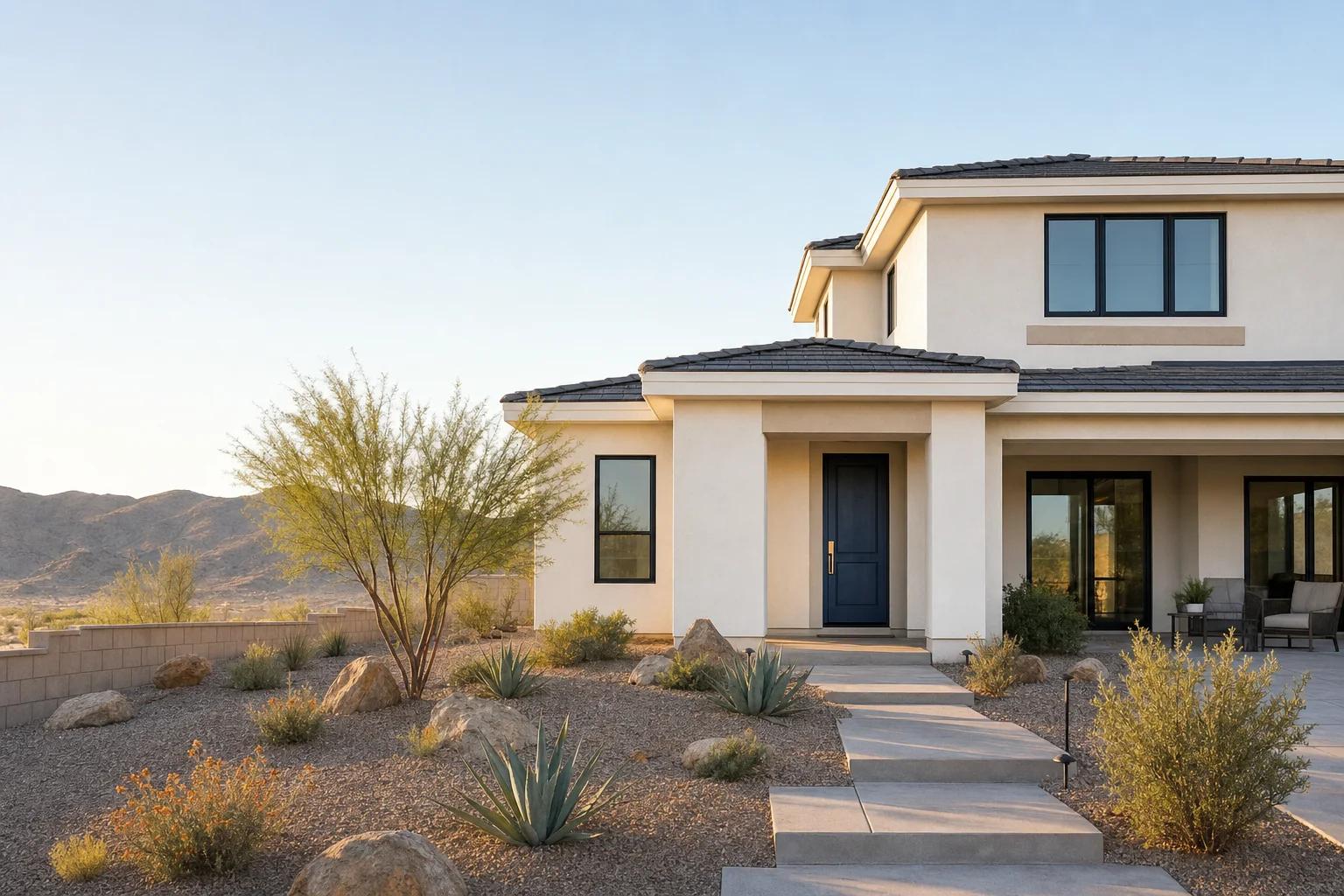
Nevada's Governor's Office of Energy adopts the energy code statewide, but building codes are adopted by each city and county. Clark County moved to the 2024 International codes with Southern Nevada amendments on January 11, 2026, and Reno requires 2024-edition plans as of January 1, 2026. Nye County, which issues permits in Pahrump, lists the 2018 IBC and IRC. The code edition that governs your project depends on which office issues the permit.
Energy code and climate zones
The state adopted the 2024 IECC effective August 18, 2024, and local governments may adopt stricter provisions. The 2024 IECC climate zone table places Clark County in zone 3B, Carson City and Nye County in 4B, and Washoe and Elko counties in 5B. The Southern Nevada amendments adopted by Clark County treat parts of Clark County above 4,000 feet as zone 5B. Confirm the zone with the permit office before choosing insulation and windows.
Earthquake risk shapes structural design
Nevada's Office of Emergency Management notes the state has been the third most active in the nation for large earthquakes over the last 150 years. Sparks and Washoe County list seismic design category D2, and Elko and Nye County list D0. Structural work such as additions, new homes and bearing-wall removals is designed to the category that applies at the site.
Wildland-urban interface rules
Washoe County has adopted the International Wildland-Urban Interface Code since 2013 and now uses the 2024 edition. Its guide sets roof, siding, deck, vent and window requirements by an ignition rating based on fire hazard severity, water supply and defensible space. Las Vegas lists the 2024 wildland-urban interface code among its adopted codes, and Sparks lists Chapter 5 of it. Living With Fire, funded by University of Nevada Cooperative Extension, the Nevada Division of Forestry, the BLM and the U.S. Forest Service, publishes home hardening and defensible space guidance.
Southern Nevada heat, storms and soils
Las Vegas summers reach triple digits, and monsoon moisture brings scattered thunderstorms, usually in July and August. Clark County's flash flood season runs July through September, though floods can happen any time. The county's expansive soil map rates Las Vegas Valley soils from none-to-low to critical and advises site-specific evaluation by a registered design professional.
Sources (17)
- U.S. Department of Energy Building Energy Codes Program · checked 2026-09-24
- Nevada Governor's Office of Energy · checked 2026-09-24
- UpCodes (2024 International Energy Conservation Code as adopted in Nevada, Table R301.1) · checked 2026-09-24
- Clark County Building & Fire Prevention · checked 2026-09-24
- Southern Nevada Building Officials amendments to the 2024 IECC, as adopted by Clark County · checked 2026-09-24
- Nevada Office of Emergency Management / Homeland Security · checked 2026-09-24
- Washoe County Building Division · checked 2026-09-24
- Washoe County Building Division · checked 2026-09-24
- Living With Fire (University of Nevada Cooperative Extension with Nevada Division of Forestry, BLM and USFS) · checked 2026-09-24
- Clark County Development Services and Nevada Bureau of Mines and Geology · checked 2026-09-24
- National Weather Service Las Vegas · checked 2026-09-24
- Clark County Fire Department · checked 2026-09-24
- City of Las Vegas Building & Safety · checked 2026-09-24
- City of Reno Development Services · checked 2026-09-24
- City of Sparks Building Permits · checked 2026-09-24
- City of Elko Building Department · checked 2026-09-24
- Nye County Building Department · checked 2026-09-24
Licensing & permits
Verify any contractor in Nevada
Contractor licensing
Nevada State Contractors Board
Nevada requires businesses or individuals who construct or alter a building or other structure to hold a license from the Nevada State Contractors Board. The board issues Class A (general engineering), Class B (general building) and Class C (specialty) licenses, and it sets a monetary limit on each license. Repair or maintenance work valued under $1,000, including labor and materials, can be exempt. The exemption does not apply if the work needs a building permit, is plumbing, electrical, refrigeration, heating or air-conditioning work, or is part of a larger project worth $500 or more. NRS 624.031 also exempts an owner building or improving a residential structure for their own occupancy and not for sale or lease. Before hiring anyone, use the board's online License Search to confirm the contractor is licensed and in good standing.
Check a contractor’s status (opens the official Nevada site in a new tab)Building permits
Permits in Nevada
Building permits in Nevada generally come from the city where the property sits, or from the county outside city limits. Examples include the City of Las Vegas, Reno, Sparks and Elko, Clark and Washoe counties, and Nye County for the Pahrump Regional Planning District. Each office adopts its own code editions and amendments, while the state's energy code sets the minimum. Permit needs vary by jurisdiction and by scope, so they are confirmed for your address during planning, before work is scheduled.
Sources (11)
- Nevada State Contractors Board · checked 2026-09-24
- Nevada State Contractors Board · checked 2026-09-24
- Nevada State Contractors Board · checked 2026-09-24
- Nevada Governor's Office of Energy · checked 2026-09-24
- Clark County Building & Fire Prevention · checked 2026-09-24
- Washoe County Building Division · checked 2026-09-24
- City of Las Vegas Building & Safety · checked 2026-09-24
- City of Reno Development Services · checked 2026-09-24
- City of Sparks Building Permits · checked 2026-09-24
- City of Elko Building Department · checked 2026-09-24
- Nye County Building Department · checked 2026-09-24
Our services
Construction & Remodeling Services in Nevada
Illustrative image Kitchen Remodeling
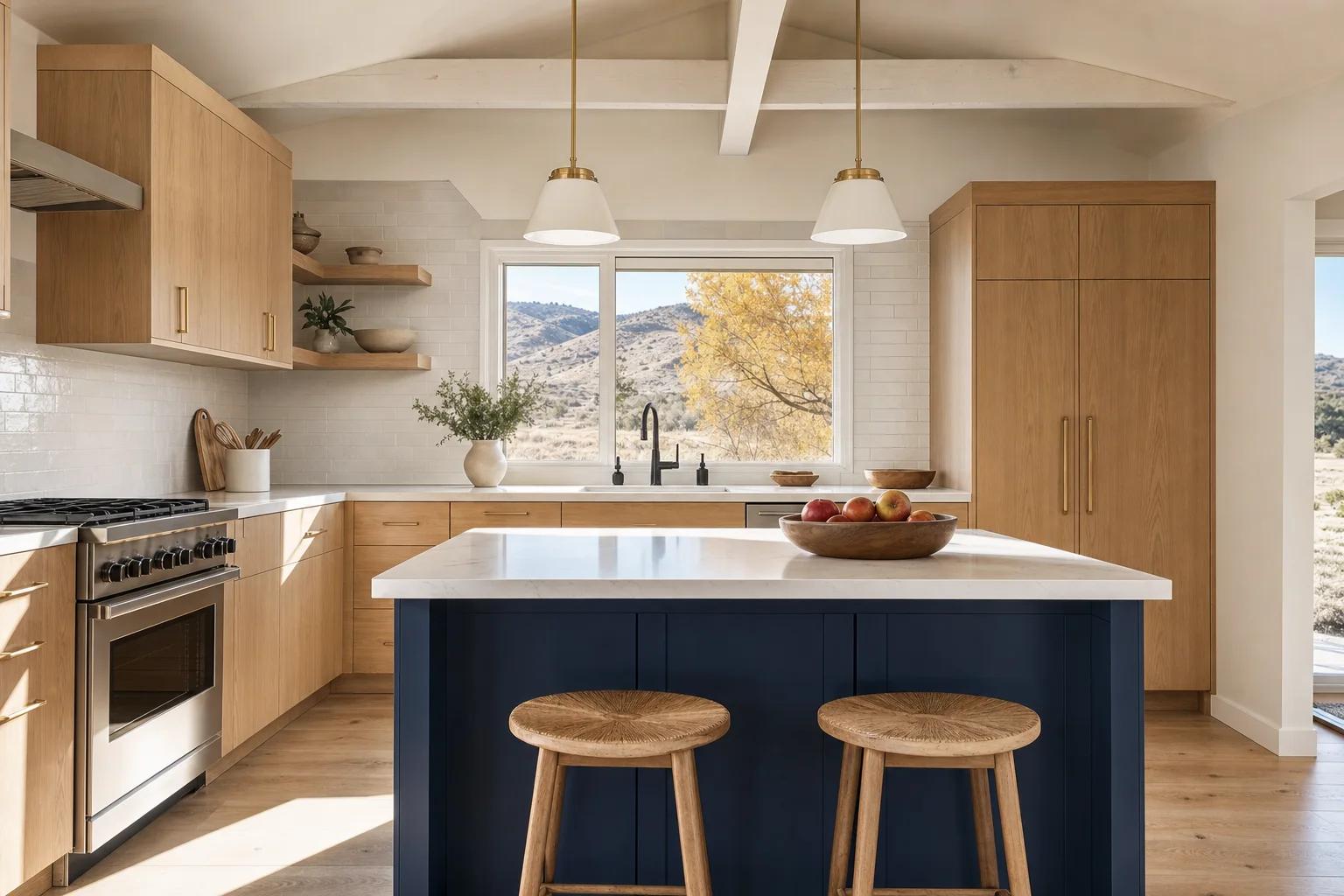
Kitchen remodels that update the layout, cabinets, counters, lighting and finishes, planned around how you cook and use the room.
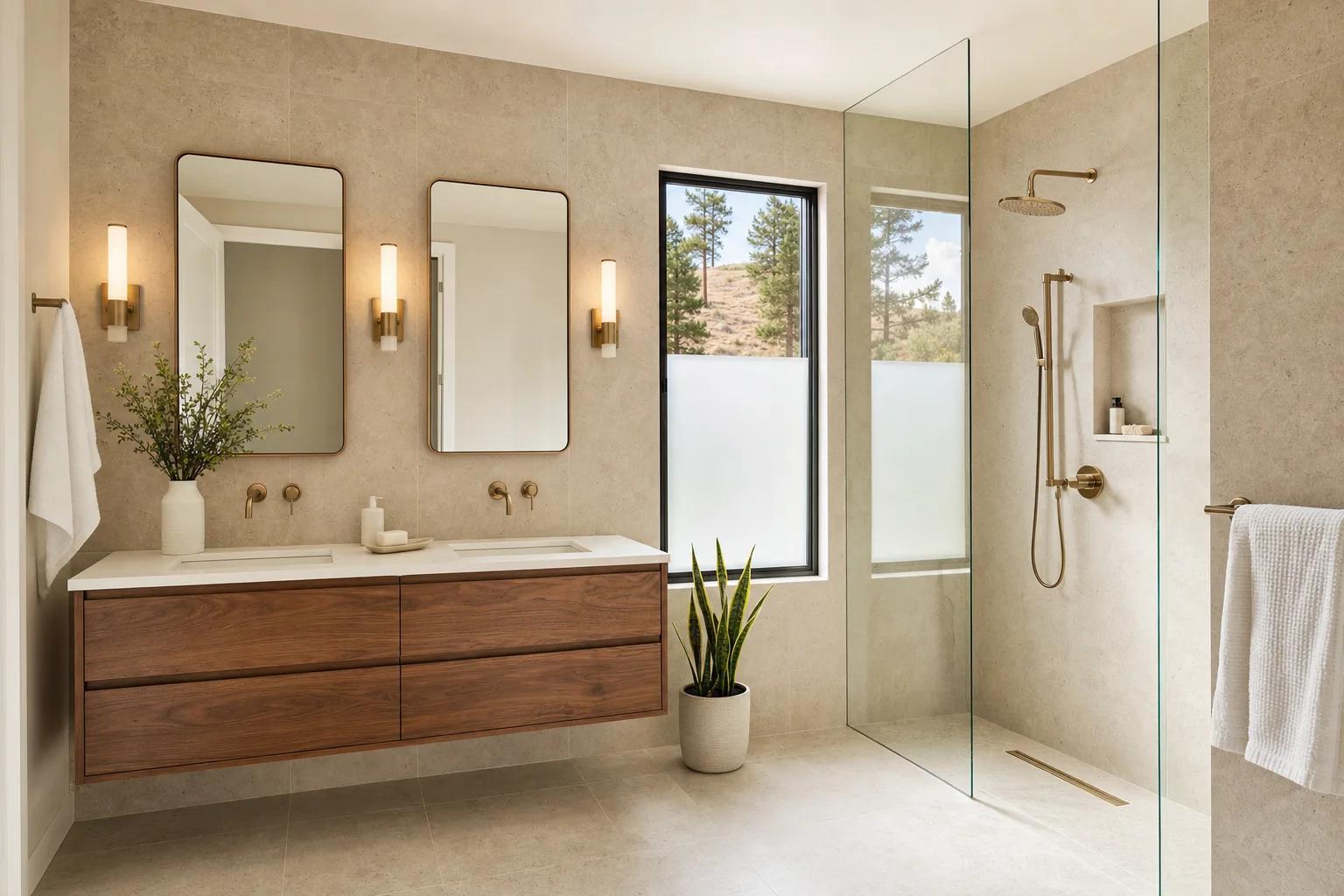
Illustrative image Bathroom Remodeling
Bathroom remodels built on sound waterproofing and ventilation, with fixtures and finishes that fit who uses the room.

Illustrative image Repairs & Maintenance
Planned repair visits for the small and mid-size problems that build up in a home or building, from sticking doors to rotted trim and loose railings.
Inspiration
Design inspiration for Nevada projects
Styles, materials and layouts suited to Nevada homes and businesses, to help you picture your own project.
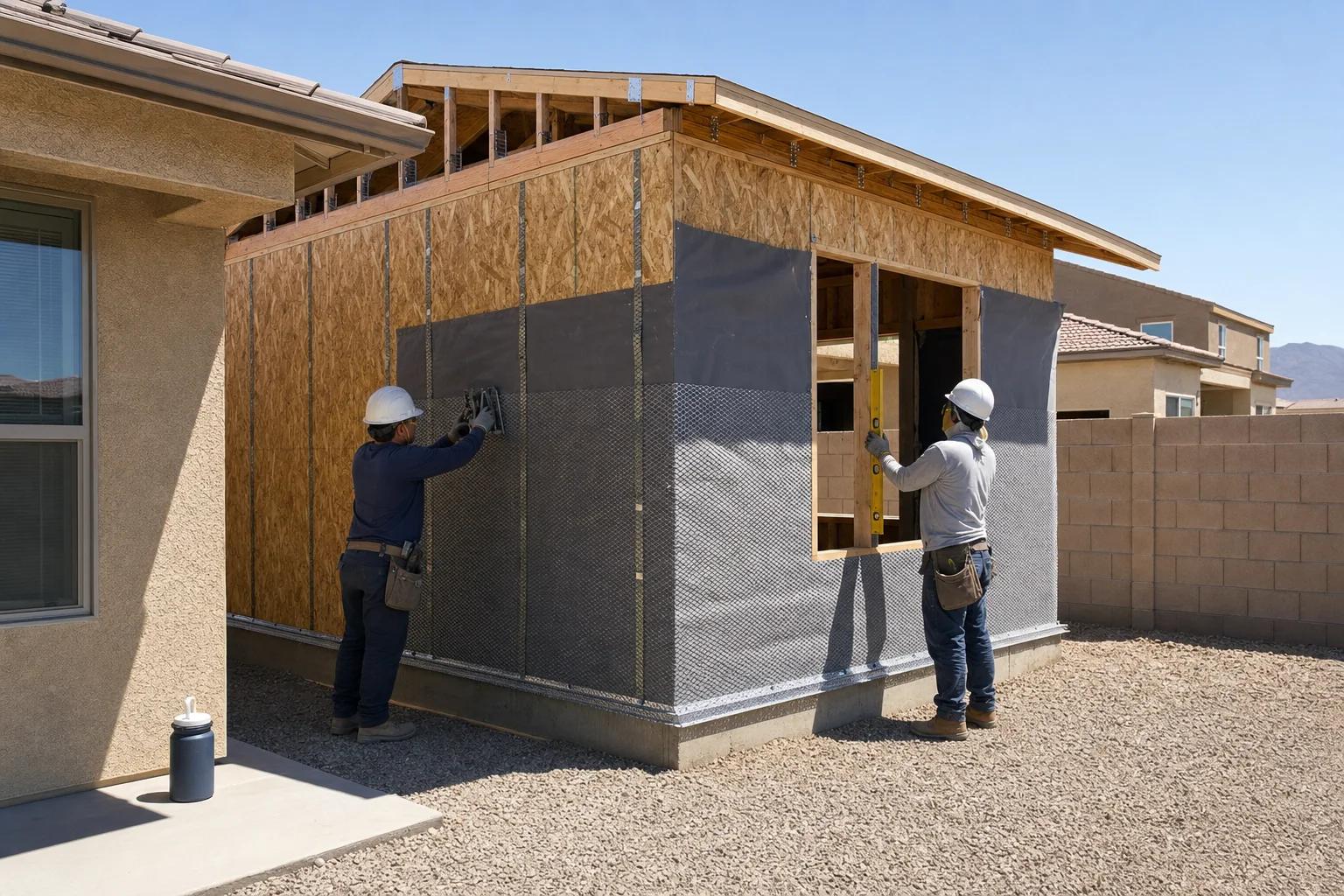
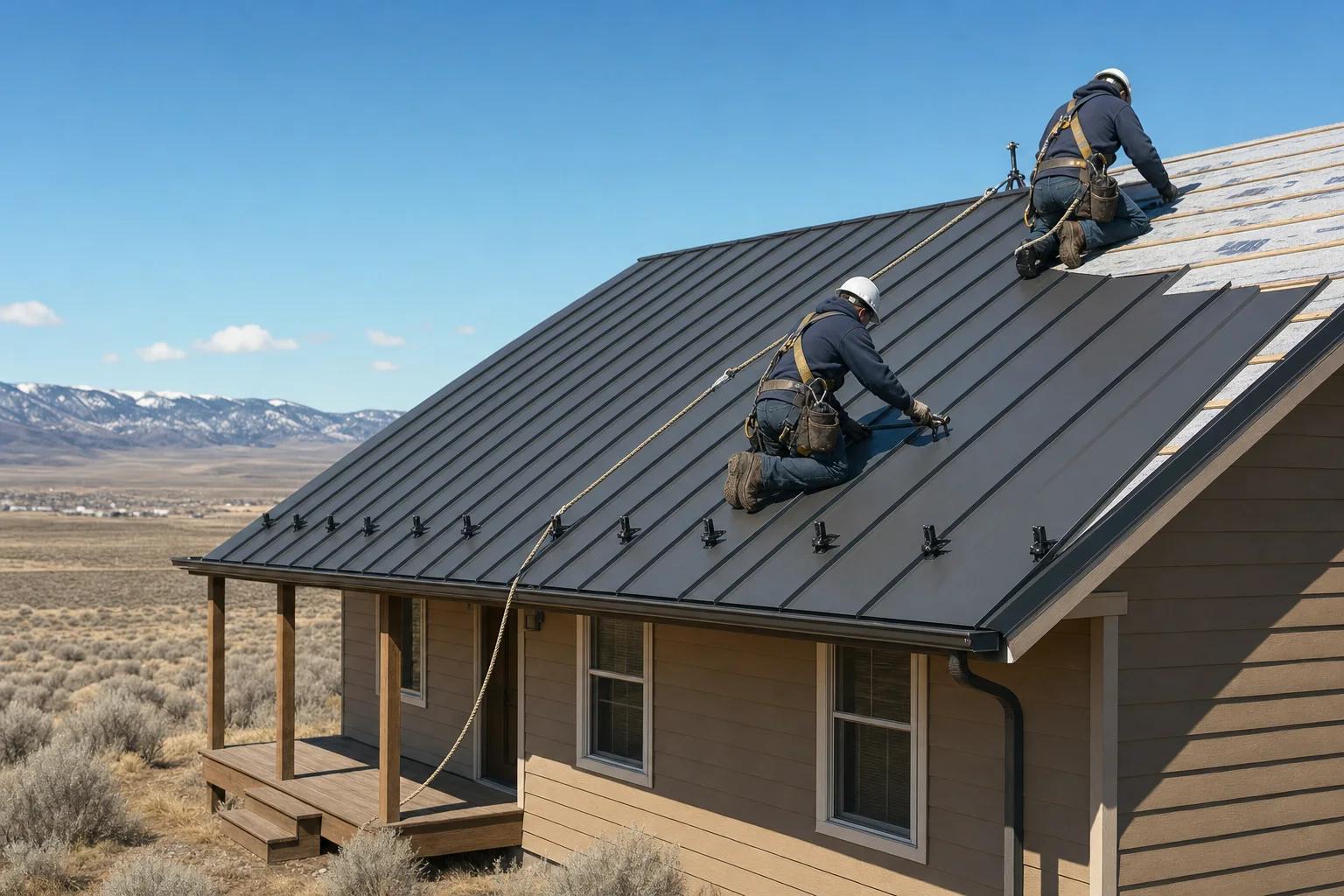
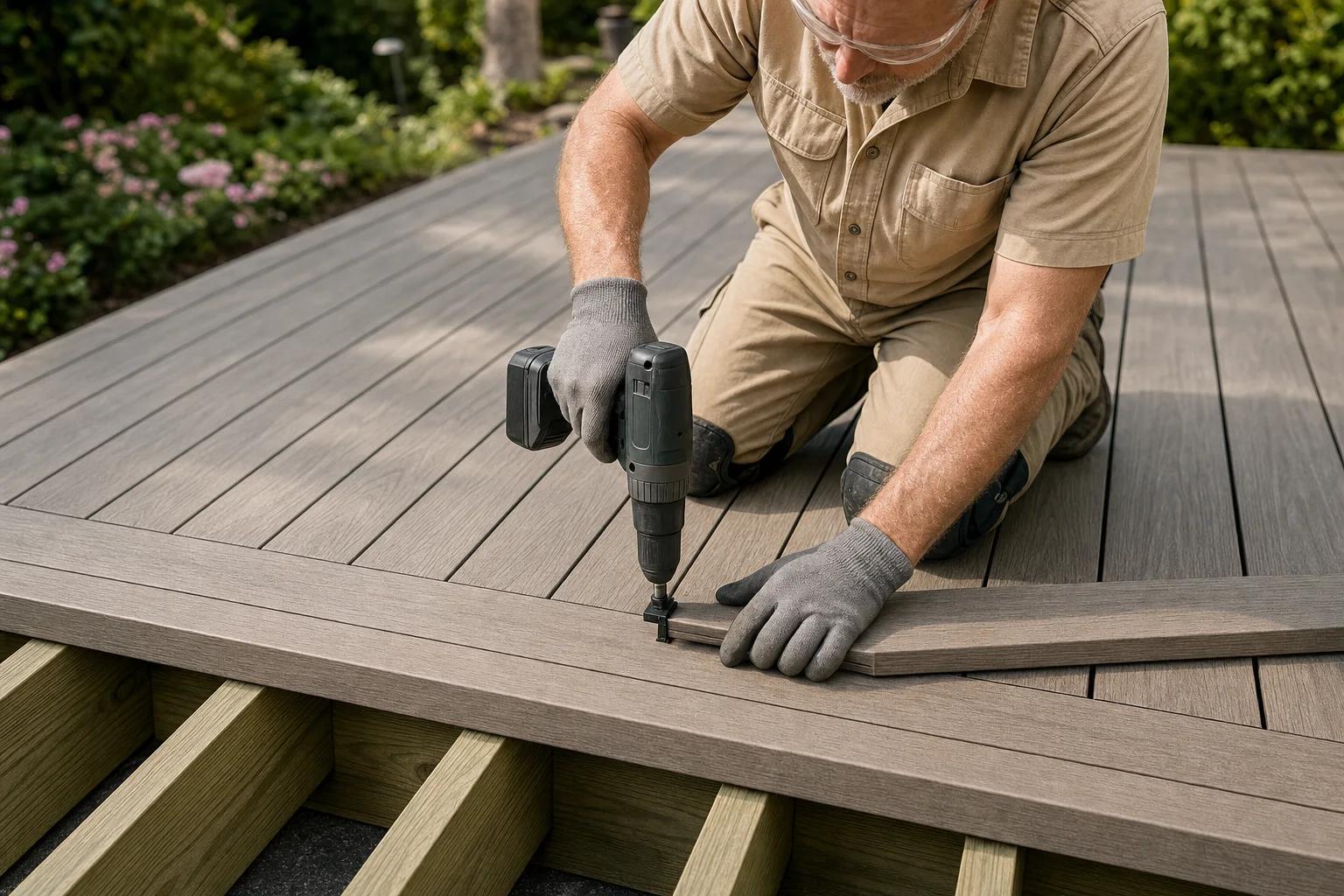
Images are illustrative and created for this website. They are not photographs of completed customer projects.
How it works
Our Simple 4-Step Process
- 1
Consult
Tell us about your project and goals. We review the location, scope and any constraints.
- 2
Plan
We define the scope in writing, confirm selections and identify permits the work may need.
- 3
Build
Work proceeds against the agreed plan, with updates when decisions or changes come up.
- 4
Enjoy
We walk through the finished work with you and hand over care and warranty information.
Questions
Nevada Project FAQs
How do I check a Nevada contractor's license?
Use the Nevada State Contractors Board's online License Search to confirm the contractor is licensed and in good standing. Check that the license classification fits your project. The board also sets a monetary limit on each license, so ask how it applies to your contract.
Does a small repair job need a licensed contractor?
Nevada exempts some repair and maintenance work valued under $1,000, including labor and materials. The exemption does not apply if the work needs a building permit, is plumbing, electrical, refrigeration, heating or air-conditioning work, or is part of a larger project worth $500 or more. The City of Las Vegas notes that, apart from homeowners working on their own homes, only licensed plumbers and electricians may legally do plumbing or electrical work in Nevada.
Can I pull a building permit for my own home?
NRS 624.031 exempts homeowners building or improving a home for their own occupancy, not for sale or lease. The City of Las Vegas notes this applies mainly to single-family homes, not condominiums or apartments. A sale or lease within one year of completion creates a presumption against the exemption and can lead to a contractors board investigation. Las Vegas issues owner-builder permits for a primary residence with proof of ownership, and a home owned by an LLC does not qualify. Other cities and counties set their own procedures.
What is Nevada's Residential Recovery Fund?
It is a state fund for owners who occupy a single-family home and contracted with a licensed residential contractor who did not properly perform the work. The home must be owned by a natural person, and the owner must have used up other ways to recover. Applications are due within four years after the work was completed.
Which energy code applies to my project?
The state adopted the 2024 IECC effective August 18, 2024, and cities and counties may adopt stricter rules. The 2024 IECC places Clark County in climate zone 3B, Carson City and Nye County in 4B, and Washoe and Elko counties in 5B. The permit office confirms the edition and any local amendments.
When is a good time to schedule exterior work in Nevada?
In Southern Nevada, plan around summer heat, monsoon thunderstorms in July and August, and the July-through-September flash flood season. In the north, plan around freezing winters and snow; Washoe County's design criteria list a winter design temperature of 17°F and a 24-inch frost depth for unincorporated areas. Exact dates are set per project once the scope and permit are known.
Sources (11)
- Nevada State Contractors Board · checked 2026-09-24
- Nevada State Contractors Board · checked 2026-09-24
- Nevada State Contractors Board · checked 2026-09-24
- Nevada State Contractors Board · checked 2026-09-24
- Nevada Governor's Office of Energy · checked 2026-09-24
- UpCodes (2024 International Energy Conservation Code as adopted in Nevada, Table R301.1) · checked 2026-09-24
- Washoe County Building Division · checked 2026-09-24
- National Weather Service Las Vegas · checked 2026-09-24
- Clark County Fire Department · checked 2026-09-24
- City of Las Vegas Building & Safety · checked 2026-09-24
- City of Las Vegas Building & Safety · checked 2026-09-24
Local resources
Planning guides for Nevada
Ready to Start Your Nevada Project?
Tell us what you are planning and where. We'll confirm availability for your address and follow up to talk through scope and next steps.