New Mexico Construction Pros
Construction & Remodeling Experts in New Mexico
New Mexico Construction Pros plans and builds kitchen and bath remodels, roofing, repairs, commercial projects and new homes for New Mexico homeowners and businesses. The state adopts one set of building codes, but cities such as Albuquerque, Las Cruces and Santa Fe run their own permit offices. The energy code climate zone also shifts with elevation, from 3B in the south to 7B in the northern mountains. Each project starts by confirming the permit office, the code requirements and the site conditions at your address.
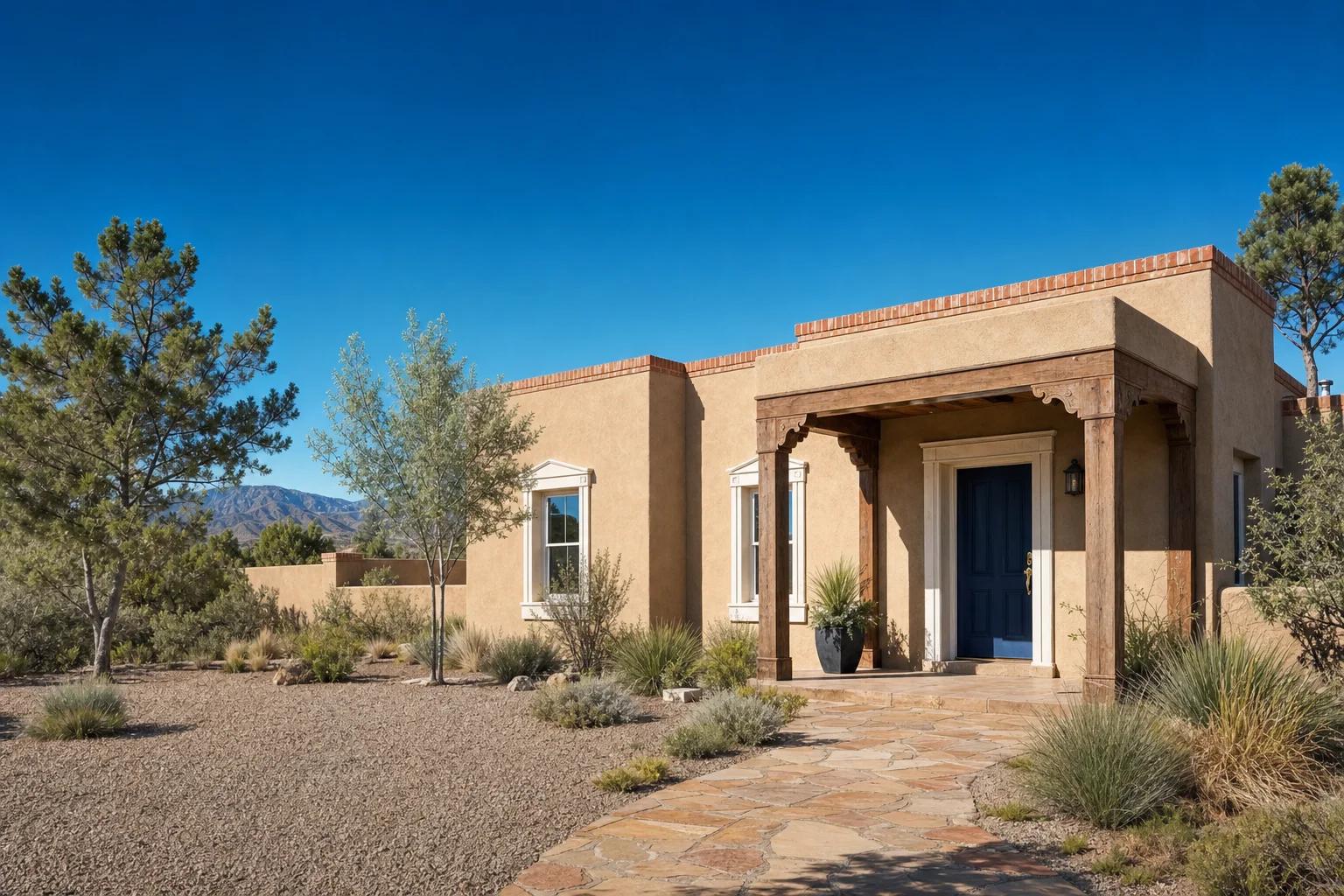
New Mexico
Construction Pros
Remodeling, repairs and new construction planned around New Mexico's state codes, elevation, monsoon storms and local permit offices.
Serving communities across New Mexico
Service areasBuilding in New Mexico
What shapes a project in New Mexico
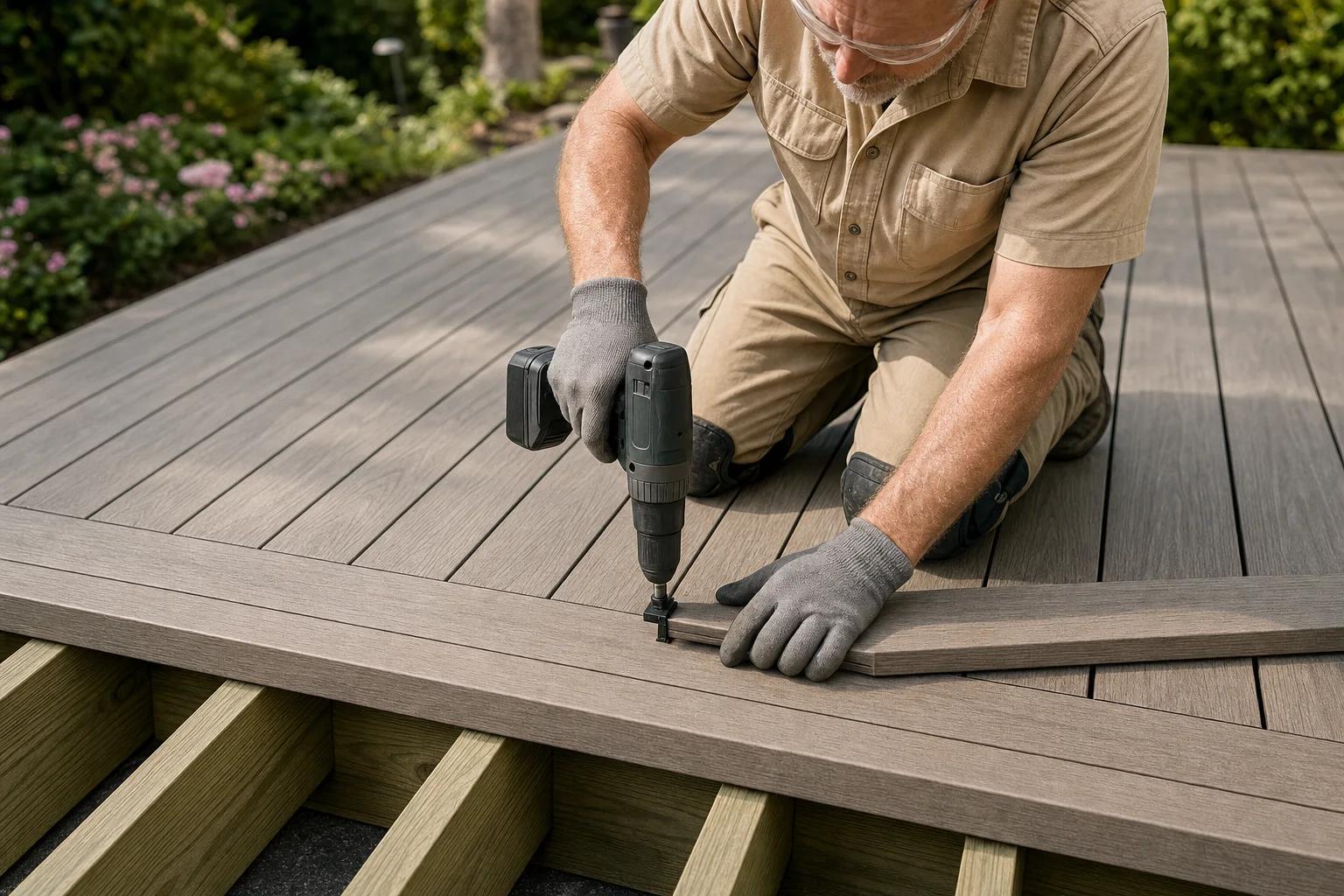
One state code, enforced locally
New Mexico's Construction Industries Division adopts statewide codes, including the 2021 New Mexico Residential Building Code, which is based on the 2021 IRC and has been the only edition for new permits since December 14, 2023. The commercial and existing building codes are also 2021 editions. Cities and counties with full-service building departments enforce these codes and may pass stricter ordinances. Santa Fe, for example, adds its own green building code for new homes.
Energy code climate zones follow elevation
The state energy code is the 2021 New Mexico Residential Energy Conservation Code, based on the 2021 IECC, and it became the only edition for new permits after July 30, 2024. Its climate zone table puts Las Cruces, Roswell and Hobbs in zone 3B, Albuquerque and Rio Rancho in 4B, Santa Fe and Farmington in 5B, and mountain towns such as Angel Fire and Red River in 7B. In Bernalillo, Doña Ana, Sandoval, San Juan, Santa Fe and Torrance counties, the code also requires building envelope air leakage testing and duct testing.
Collapsible soils and fault zones
The New Mexico Bureau of Geology reports that collapsible soils, which compact and settle after they get wet, are common in the state and are found in housing developments from Velarde to Las Cruces and from Alamogordo to Socorro. It recommends soil-engineering reports before building and moving roof runoff and landscape water away from foundations. The bureau also names faults near Albuquerque and Las Cruces that could pose a risk to urban areas.
Monsoon storms, hail and fire weather
The North American Monsoon typically runs from mid-June to late September and brings lightning, downburst winds, dust storms and flash floods, which usually occur within six hours of heavy rain. The start of the monsoon is often hot and dry before the moisture arrives, which leaves vegetation open to wildfire. National Weather Service data show New Mexico averaged about 150 severe hail reports a year in the 10 years ending in 2024.
Earthen walls and radon
New Mexico has its own code for earthen construction that covers adobe, rammed earth, compressed earth block and terrón walls in one- and two-family homes of up to two stories, plus a separate code for historic earthen buildings. The Bureau of Geology notes that many areas, especially in the north-central region, sit on rocks that produce radon above the EPA's 4 pCi/L level, and it recommends testing homes. Remodels of older and earthen homes should plan for both.
Sources (14)
- New Mexico Regulation and Licensing Department, Construction Industries Division · checked 2026-09-24
- New Mexico State Records Center and Archives (14.5.1 NMAC, CID General Provisions) · checked 2026-09-24
- New Mexico State Records Center and Archives (14.7.3 NMAC, 2021 New Mexico Residential Building Code) · checked 2026-09-24
- New Mexico State Records Center and Archives (14.7.4 NMAC, Earthen Building Materials Code) · checked 2026-09-24
- New Mexico State Records Center and Archives (14.7.6 NMAC, 2021 Residential Energy Conservation Code) · checked 2026-09-24
- U.S. Department of Energy, Building Energy Codes Program · checked 2026-09-24
- New Mexico Bureau of Geology and Mineral Resources · checked 2026-09-24
- New Mexico Bureau of Geology and Mineral Resources · checked 2026-09-24
- New Mexico Bureau of Geology and Mineral Resources · checked 2026-09-24
- National Weather Service, Albuquerque · checked 2026-09-24
- National Weather Service, Albuquerque · checked 2026-09-24
- National Weather Service, Albuquerque · checked 2026-09-24
- National Weather Service, Albuquerque · checked 2026-09-24
- City of Santa Fe · checked 2026-09-24
Licensing & permits
Verify any contractor in New Mexico
Contractor licensing
New Mexico Regulation and Licensing Department, Construction Industries Division
New Mexico requires anyone acting as a contractor, as defined in the Construction Industries Licensing Act, to hold a license from the Construction Industries Division (CID). Licenses are issued by classification, and work outside a license's classification is a violation of state rules. For example, GB-2 covers building, altering, repairing and demolishing homes and apartment buildings of up to four units, GB-98 covers residential and commercial buildings, and GS-21 covers roofing. Only licensed contractors, or owners with a homeowner's permit, can apply for building permits. Before hiring anyone, check the license and its classification through the state's license verification link, and ask whether the city also requires a local business license, as Rio Rancho and Farmington do.
Check a contractor’s status (opens the official New Mexico site in a new tab)Building permits
Permits in New Mexico
Building permits in New Mexico come from the authority having jurisdiction: the state CID, or a city or county with a full-service building department. Albuquerque, Las Cruces, Santa Fe, Rio Rancho, Roswell, Farmington and Hobbs run their own building divisions. In Alamogordo, the city reviews zoning and flood maps and the state CID issues the building permit. State rules require separate permits for general building, electrical, mechanical-plumbing and LP gas work, and every re-roof needs a permit and inspections. Local ordinances can add requirements, so permit needs are confirmed for your address during planning.
Sources (16)
- New Mexico Regulation and Licensing Department, Construction Industries Division · checked 2026-09-24
- New Mexico Regulation and Licensing Department · checked 2026-09-24
- New Mexico Regulation and Licensing Department, Construction Industries Division · checked 2026-09-24
- New Mexico State Records Center and Archives (14.5.1 NMAC, CID General Provisions) · checked 2026-09-24
- New Mexico State Records Center and Archives (14.5.2 NMAC, Permits) · checked 2026-09-24
- New Mexico State Records Center and Archives (14.6.3 NMAC) · checked 2026-09-24
- New Mexico State Records Center and Archives (14.6.6 NMAC, Classifications) · checked 2026-09-24
- City of Albuquerque Planning Department · checked 2026-09-24
- City of Las Cruces Community Development · checked 2026-09-24
- City of Rio Rancho Development Services · checked 2026-09-24
- City of Santa Fe · checked 2026-09-24
- City of Roswell Community Development · checked 2026-09-24
- City of Farmington Community Development · checked 2026-09-24
- City of Farmington Community Development · checked 2026-09-24
- City of Hobbs Building Safety & Permits · checked 2026-09-24
- City of Alamogordo Planning & Zoning · checked 2026-09-24
Our services
Construction & Remodeling Services in New Mexico
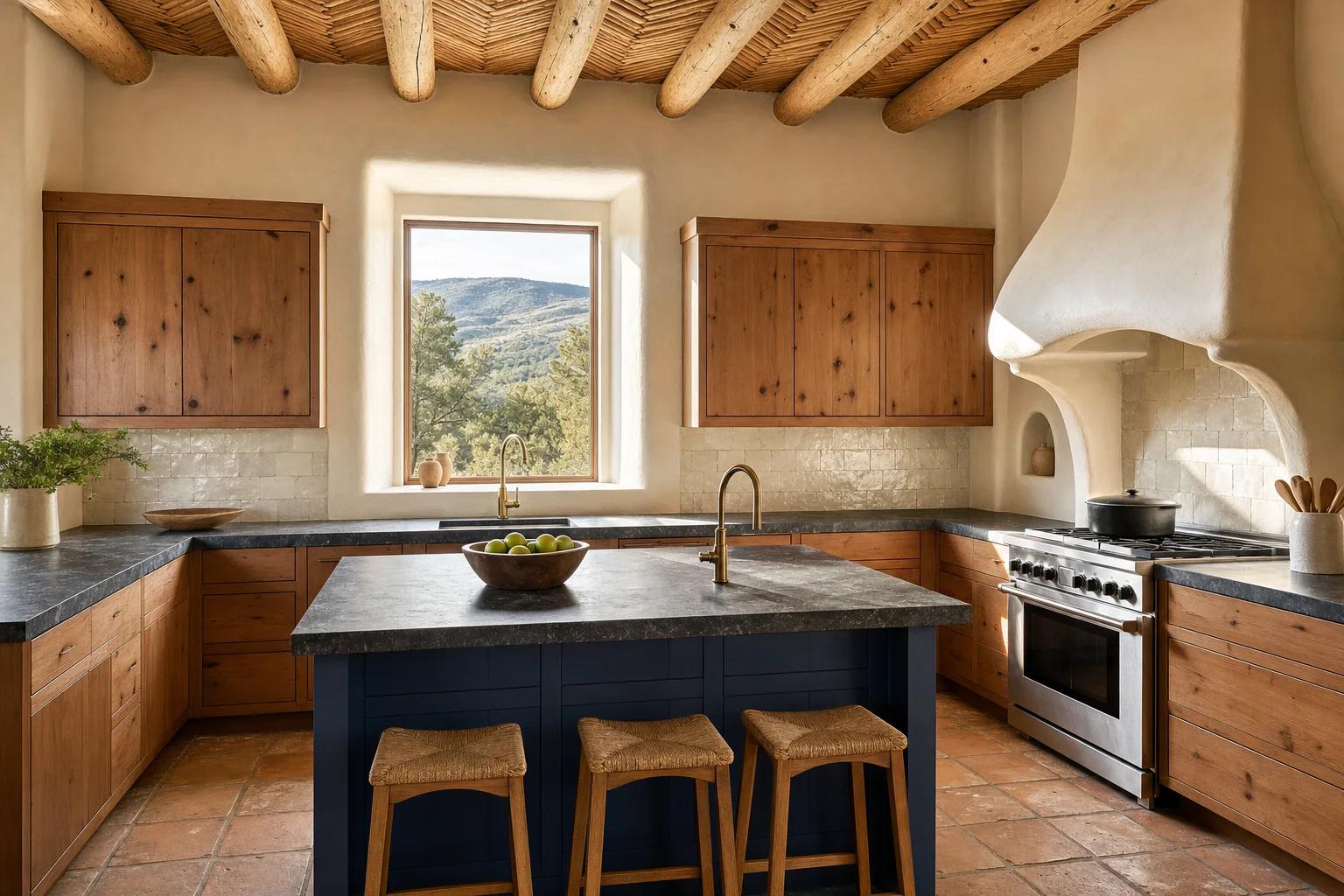
Illustrative image Kitchen Remodeling
Kitchen remodels that update the layout, cabinets, counters, lighting and finishes, planned around how you cook and use the room.
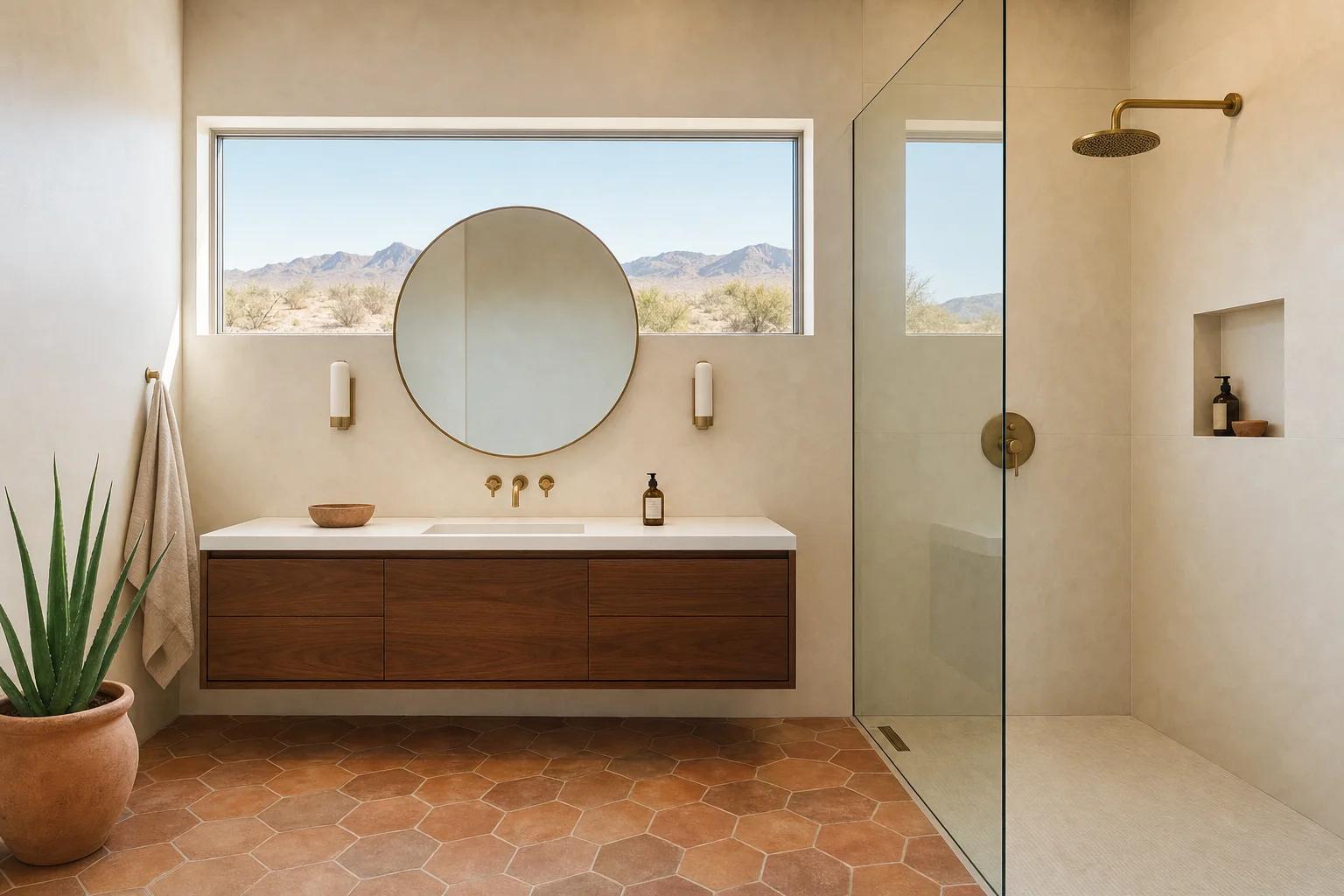
Illustrative image Bathroom Remodeling
Bathroom remodels built on sound waterproofing and ventilation, with fixtures and finishes that fit who uses the room.
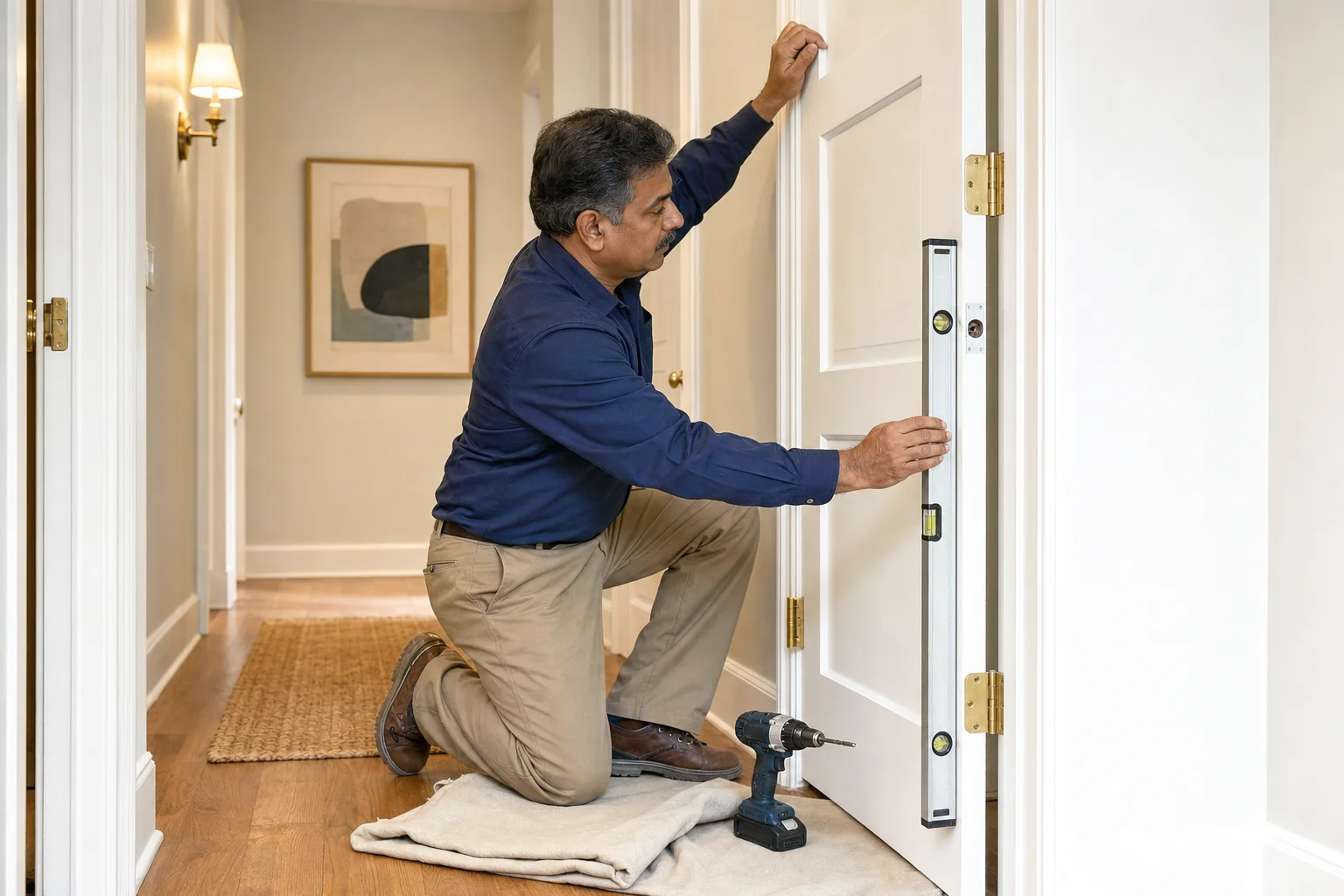
Illustrative image Repairs & Maintenance
Planned repair visits for the small and mid-size problems that build up in a home or building, from sticking doors to rotted trim and loose railings.
Inspiration
Design inspiration for New Mexico projects
Styles, materials and layouts suited to New Mexico homes and businesses, to help you picture your own project.
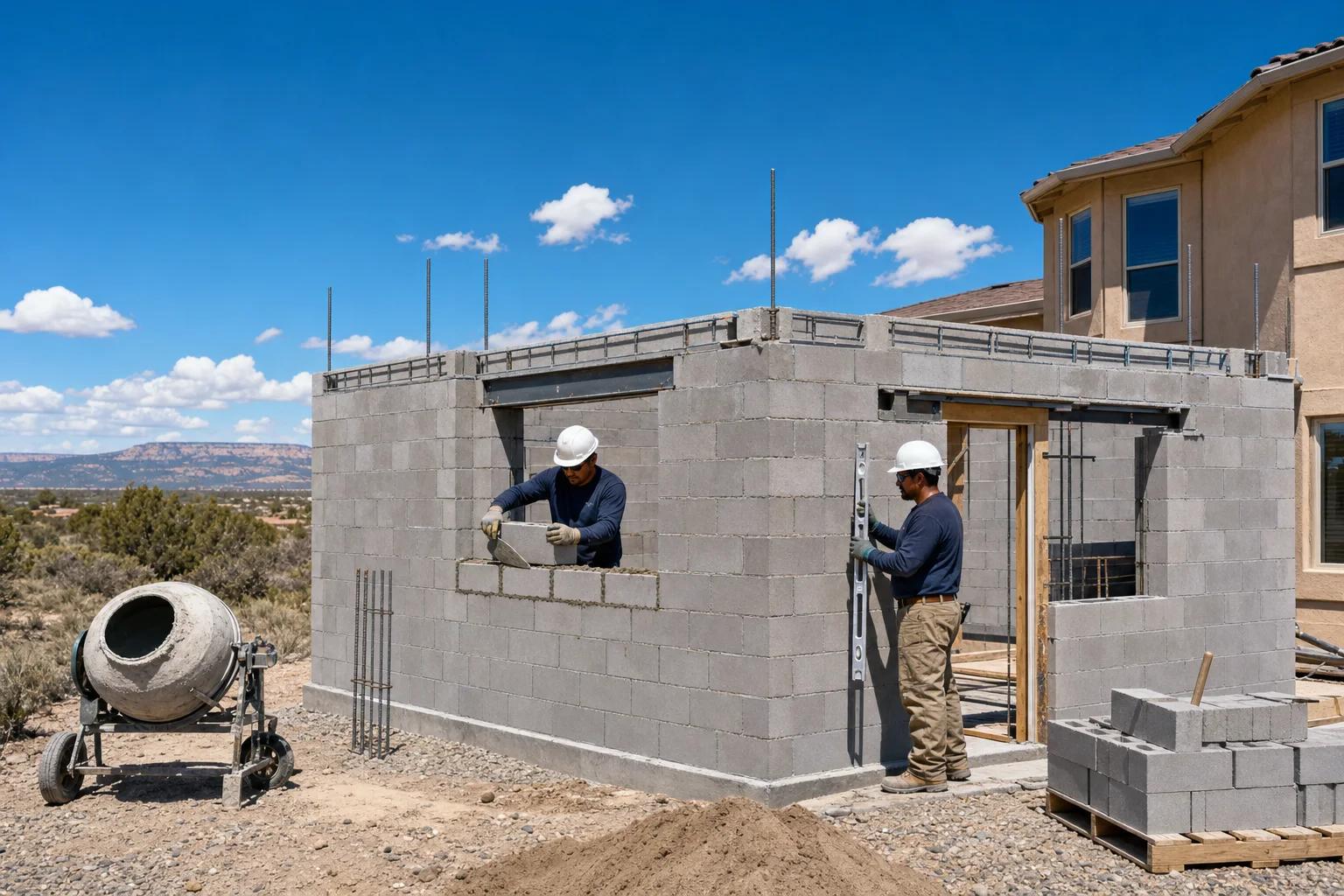
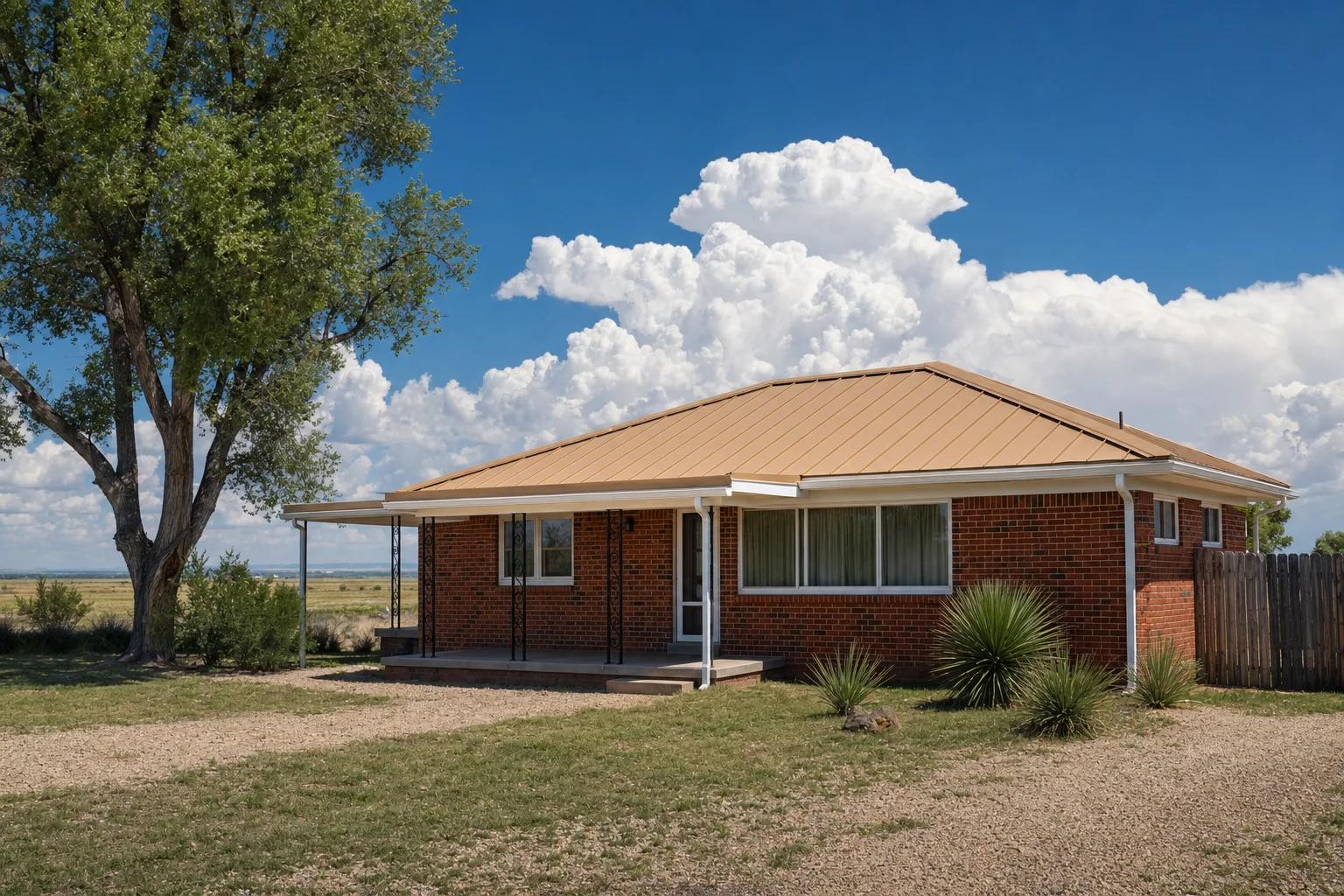
Images are illustrative and created for this website. They are not photographs of completed customer projects.
How it works
Our Simple 4-Step Process
- 1
Consult
Tell us about your project and goals. We review the location, scope and any constraints.
- 2
Plan
We define the scope in writing, confirm selections and identify permits the work may need.
- 3
Build
Work proceeds against the agreed plan, with updates when decisions or changes come up.
- 4
Enjoy
We walk through the finished work with you and hand over care and warranty information.
Questions
New Mexico Project FAQs
Do I need a permit to replace a roof in New Mexico?
Yes. State rules require a building permit and inspections for every new roof and re-roof, and for roof coating systems. Inspections include the roof deck after the old roofing is removed and a final inspection when the job is done.
How do I check a contractor's license in New Mexico?
Use the Regulation and Licensing Department's verify-a-license page, which links to the state's contractor license search. Check that the license is active and that its classification fits the job, such as GB-2 for residential building work or GS-21 for roofing. Work outside a license's classification violates state rules.
Can I pull my own permit as a homeowner?
Often, with limits. State rules allow a homeowner's permit only for a single-family home that is the owner's primary residence. The owner must do the major portion of the work, measured by dollar amount, and any subcontractors must be licensed. Owners are limited to one homeowner's permit in 12 months, and the permit is voided if the home is put up for sale during construction. Albuquerque also requires a passing score on a written exam for homeowner electrical and plumbing permits.
How should exterior work be scheduled around New Mexico weather?
It depends on elevation and the type of work, but the monsoon matters statewide. It typically runs from mid-June to late September and brings lightning, downburst winds and flash floods. Roof tear-offs, stucco and site work are easier to protect when they are scheduled around that season or planned with daily weather checks.
Which energy code applies to a new home or addition?
The 2021 New Mexico Residential Energy Conservation Code, based on the 2021 IECC, applies statewide. Requirements depend on the climate zone, which the code assigns by location, from 3B in places like Las Cruces to 5B in Santa Fe and 7B in the highest mountain towns. The permit office confirms the zone for your address.
Are adobe and other earthen walls allowed in new construction?
Yes. New Mexico's earthen building materials code covers adobe, rammed earth, compressed earth block and terrón in one- and two-family homes of up to two stories. It sets rules such as a continuous bond beam on top of bearing walls and, for adobe, a stem wall at least six inches above finished grade. A separate state code covers historic earthen buildings.
Sources (9)
- New Mexico Regulation and Licensing Department · checked 2026-09-24
- New Mexico Regulation and Licensing Department, Construction Industries Division · checked 2026-09-24
- New Mexico State Records Center and Archives (14.5.2 NMAC, Permits) · checked 2026-09-24
- New Mexico State Records Center and Archives (14.6.6 NMAC, Classifications) · checked 2026-09-24
- New Mexico State Records Center and Archives (14.7.4 NMAC, Earthen Building Materials Code) · checked 2026-09-24
- New Mexico State Records Center and Archives (14.7.6 NMAC, 2021 Residential Energy Conservation Code) · checked 2026-09-24
- National Weather Service, Albuquerque · checked 2026-09-24
- National Weather Service, Albuquerque · checked 2026-09-24
- City of Albuquerque Planning Department · checked 2026-09-24
Local resources
Planning guides for New Mexico
Ready to Start Your New Mexico Project?
Tell us what you are planning and where. We'll confirm availability for your address and follow up to talk through scope and next steps.