
New York Construction Pros
Construction & Remodeling Experts in New York
New York Construction Pros plans and builds kitchen and bath remodels, roofing and exterior work, repairs, commercial projects and new homes for owners in New York. Much of the state's housing is old, with about 30 percent of homes built in 1939 or earlier, so many projects start with asbestos, lead-paint and structural checks. Conditions change across the state, from heavy lake-effect snow near Buffalo and Syracuse to coastal flood zones in New York City and river flooding in the Southern Tier. Service in each area is still being confirmed, so every project starts with your address and scope.
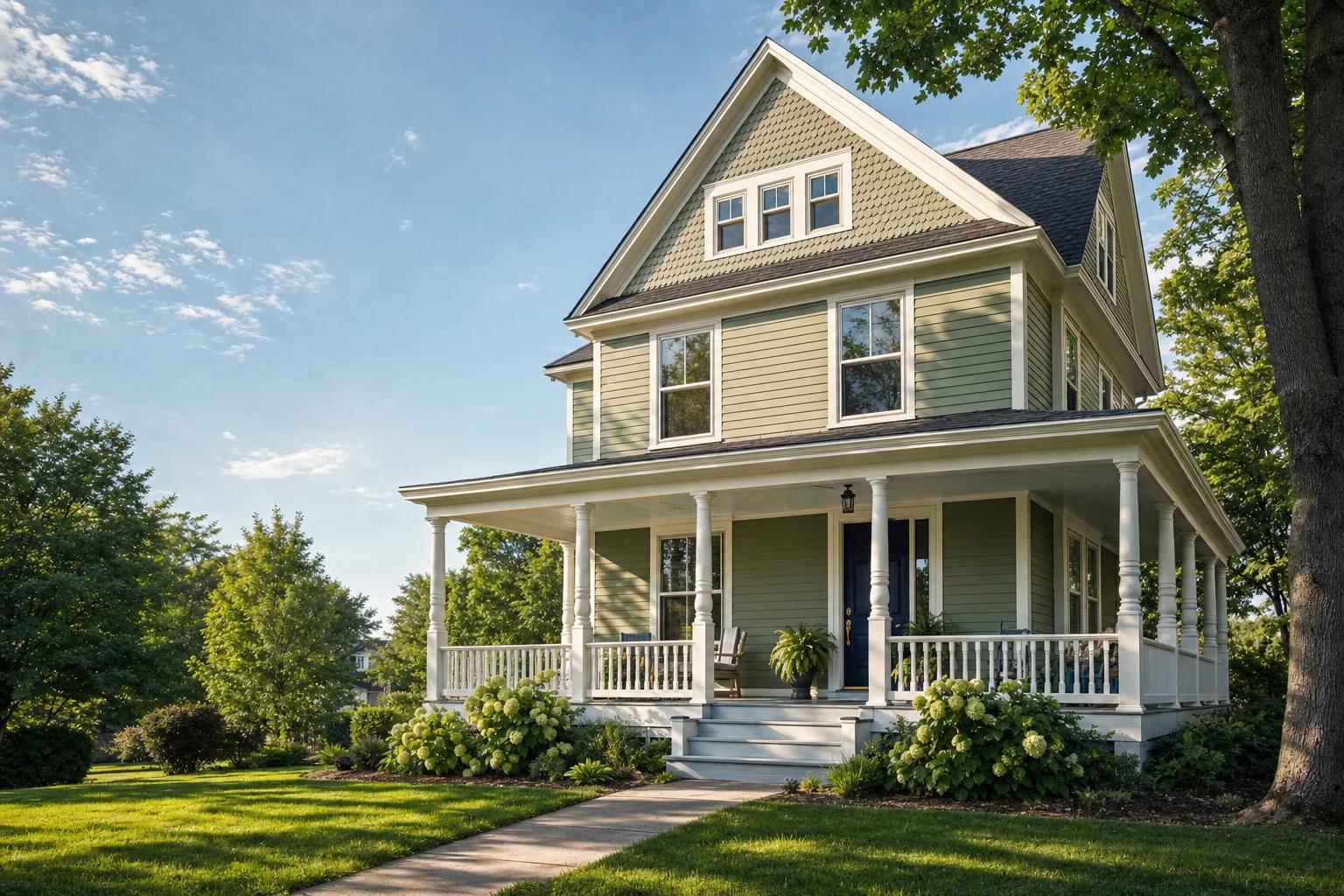
New York
Construction Pros
Remodeling, repairs and new construction planned around New York's codes, winters and older buildings.
Serving communities across New York
Service areasBuilding in New York
What shapes a project in New York
One state code, with New York City on its own
The New York State Uniform Fire Prevention and Building Code applies everywhere in the state except New York City, which kept its own construction codes. The 2025 Uniform Code applies to building permit applications submitted on or after December 31, 2025. Cities, towns and villages enforce it locally, and a local government can enforce stricter standards only after the State Code Council approves them. New York City builds to its 2022 NYC Construction Codes.
Energy code and three climate zones
New York's current energy code is based on the 2024 International Energy Conservation Code, with state amendments, and took effect December 31, 2025. The state has three climate zones by county: New York City's five counties, Nassau, Suffolk and Westchester are in Zone 4. Albany, Broome, Erie, Monroe, Onondaga, Schenectady and many other upstate counties are in Zone 5, and counties such as St. Lawrence, Franklin, Oneida and Herkimer are in Zone 6. Your zone sets insulation, window and air-sealing targets for new work.
Snow load and winter scheduling
Snow is a real design and scheduling factor upstate. Syracuse's normal annual snowfall for 1991 to 2020 is 127.8 inches, and it recorded 172.9 inches in 2025. In November 2014, a lake-effect storm dropped up to about 65 inches on suburbs east and south of Buffalo, and the National Weather Service reported hundreds of major roof collapses and structural failures. Roof framing, drainage and exterior work timing deserve attention early in planning.
Coastal and river flood risk
In New York City, FEMA flood maps mark high-risk flood areas, and owners with federally backed mortgages on buildings in those areas must carry flood insurance. Inland, rivers flood too: the Susquehanna River at Binghamton crested at a record 25.73 feet in September 2011, well above its 18-foot major flood stage. Flood zone status can shape foundation, utility and basement decisions.
Older buildings need hazard checks first
Census estimates for 2020 to 2024 show 30.3 percent of New York's housing units were built in 1939 or earlier, and 25.1 percent are in buildings with 20 or more units. State rules require an asbestos survey by a certified New York State asbestos inspector before demolition, renovation, remodeling or repair work. In homes built before 1978, federal rules require paid contractors who disturb paint to be certified and follow lead-safe work practices.
Sources (12)
- New York State Department of State · checked 2026-09-24
- New York State Department of State, Division of Building Standards and Codes · checked 2026-09-24
- U.S. Department of Energy, Building Energy Codes Program · checked 2026-09-24
- NYC Department of Buildings · checked 2026-09-24
- NYC Department of Buildings · checked 2026-09-24
- New York State Department of Labor · checked 2026-09-24
- U.S. Environmental Protection Agency · checked 2026-09-24
- City of New York · checked 2026-09-24
- National Weather Service, Buffalo NY · checked 2026-09-24
- National Weather Service, Binghamton NY · checked 2026-09-24
- NOAA National Water Prediction Service · checked 2026-09-24
- U.S. Census Bureau, American Community Survey 2020-2024 5-year (DP04) · checked 2026-09-24
Licensing & permits
Verify any contractor in New York
Contractor licensing
Local governments (New York City DCWP and several counties); guidance from the New York State Attorney General
The New York Department of State does not list a general contractor or home improvement contractor license among the occupations it licenses. According to the New York Attorney General, home improvement contractors must be licensed in New York City and in Suffolk, Nassau, Westchester, Putnam and Rockland counties. In New York City, the Department of Consumer and Worker Protection (DCWP) issues that license and offers an online Search Business tool, and the Department of Buildings' Know Your Construction Professional directory shows license records for plumbers, electricians and other construction professionals. Westchester County keeps its own list of licensed contractors. State law requires a written home improvement contract, and contractors must hold progress payments in escrow or provide a bond. Asbestos abatement contractors are licensed by the New York State Department of Labor. Before you sign, check any contractor with the licensing office that covers your address.
Check a contractor’s status (opens the official New York site in a new tab)Building permits
Permits in New York
Building permits in New York are issued locally. Outside New York City, each city, town and village enforces the Uniform Code, and the county or the Department of State takes over where a municipality opts out. Permits are required for any work that must conform to the Uniform Code, with certain exceptions allowed. In New York City, the Department of Buildings issues permits under the city's own codes, and plans are filed by a New York State registered architect or professional engineer. Landmark or historic district review and asbestos surveys can add steps, so permit needs are confirmed for each address during planning.
Sources (13)
- New York State Department of State · checked 2026-09-24
- NYC Department of Buildings · checked 2026-09-24
- New York State Office of the Attorney General · checked 2026-09-24
- New York State Department of State, Division of Licensing Services · checked 2026-09-24
- NYC Department of Consumer and Worker Protection · checked 2026-09-24
- NYC Department of Consumer and Worker Protection · checked 2026-09-24
- NYC Department of Buildings · checked 2026-09-24
- Westchester County Department of Consumer Protection · checked 2026-09-24
- New York State Department of Labor, Asbestos Control Bureau · checked 2026-09-24
- New York State Department of Labor · checked 2026-09-24
- NYC Department of Buildings · checked 2026-09-24
- NYC Landmarks Preservation Commission · checked 2026-09-24
- City of Albany · checked 2026-09-24
Our services
Construction & Remodeling Services in New York

Illustrative image Kitchen Remodeling
Kitchen remodels that update the layout, cabinets, counters, lighting and finishes, planned around how you cook and use the room.
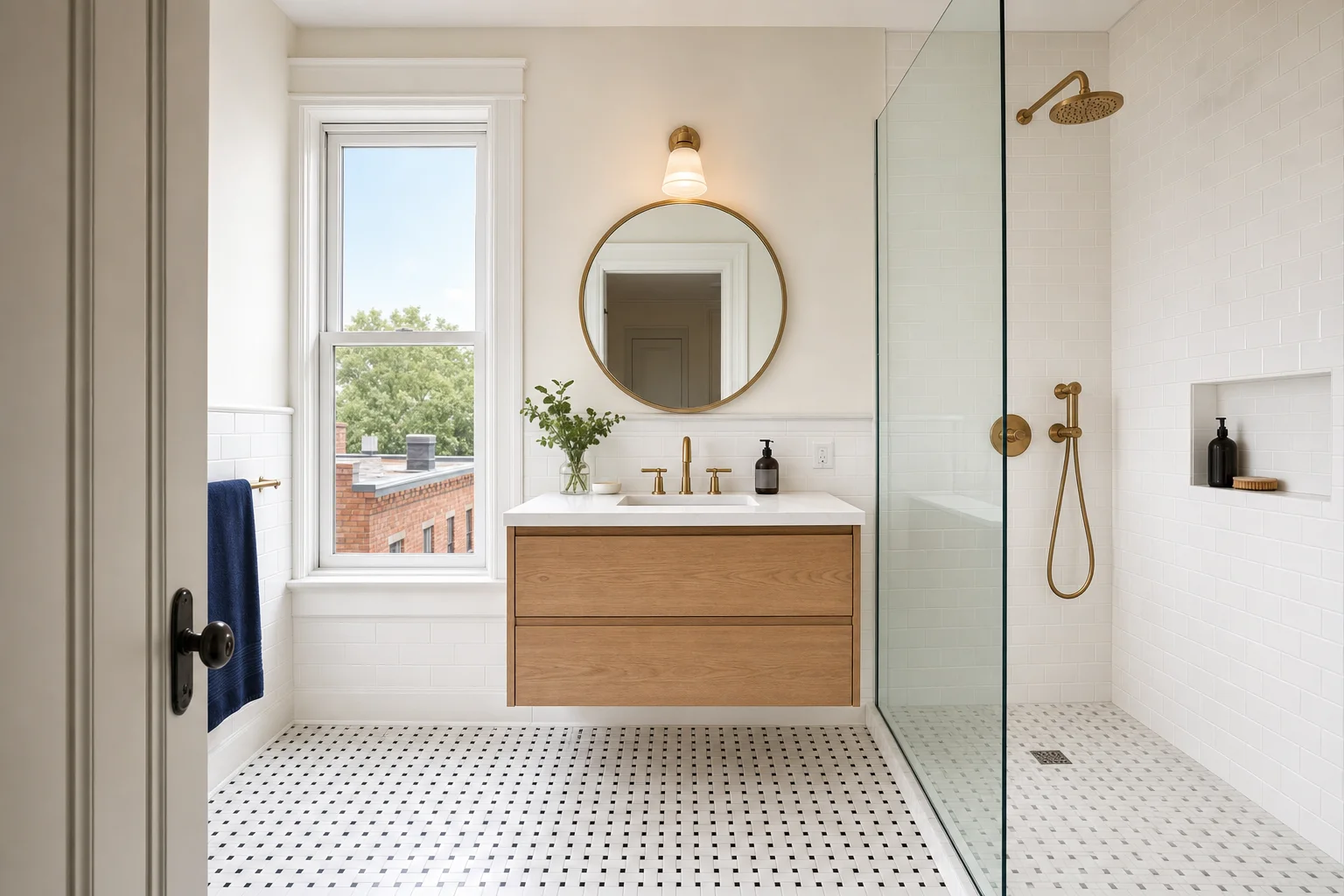
Illustrative image Bathroom Remodeling
Bathroom remodels built on sound waterproofing and ventilation, with fixtures and finishes that fit who uses the room.
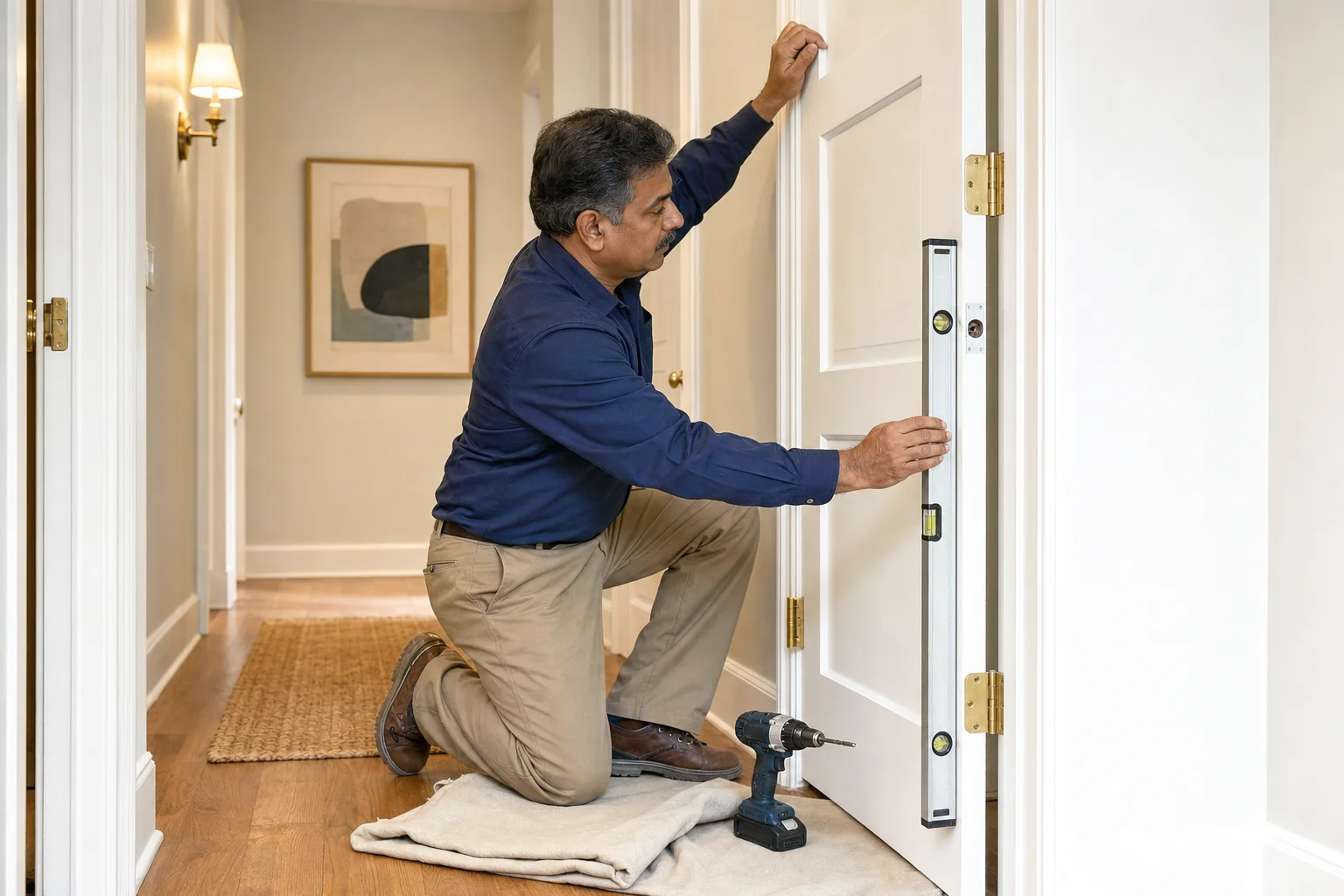
Illustrative image Repairs & Maintenance
Planned repair visits for the small and mid-size problems that build up in a home or building, from sticking doors to rotted trim and loose railings.
Inspiration
Design inspiration for New York projects
Styles, materials and layouts suited to New York homes and businesses, to help you picture your own project.
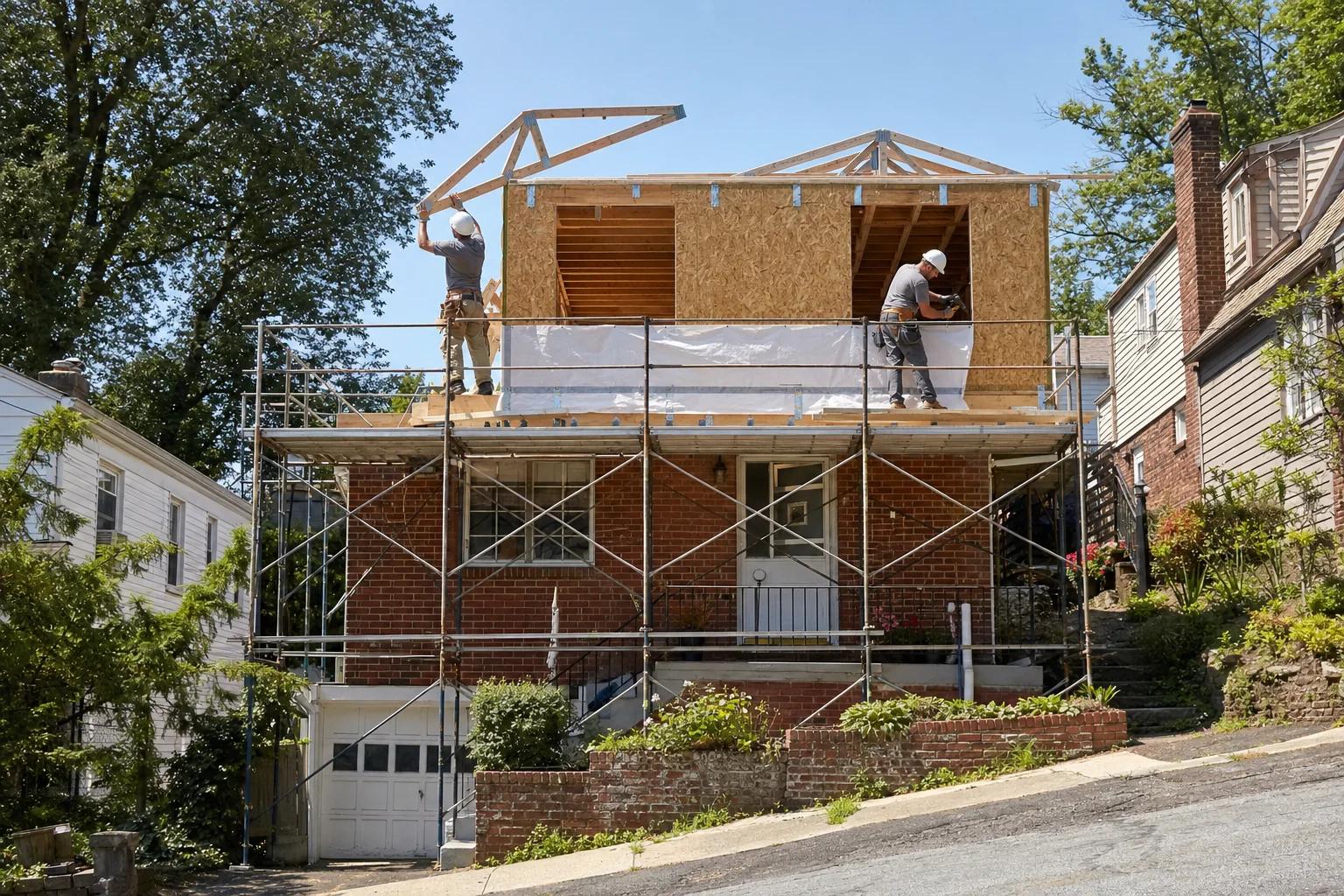
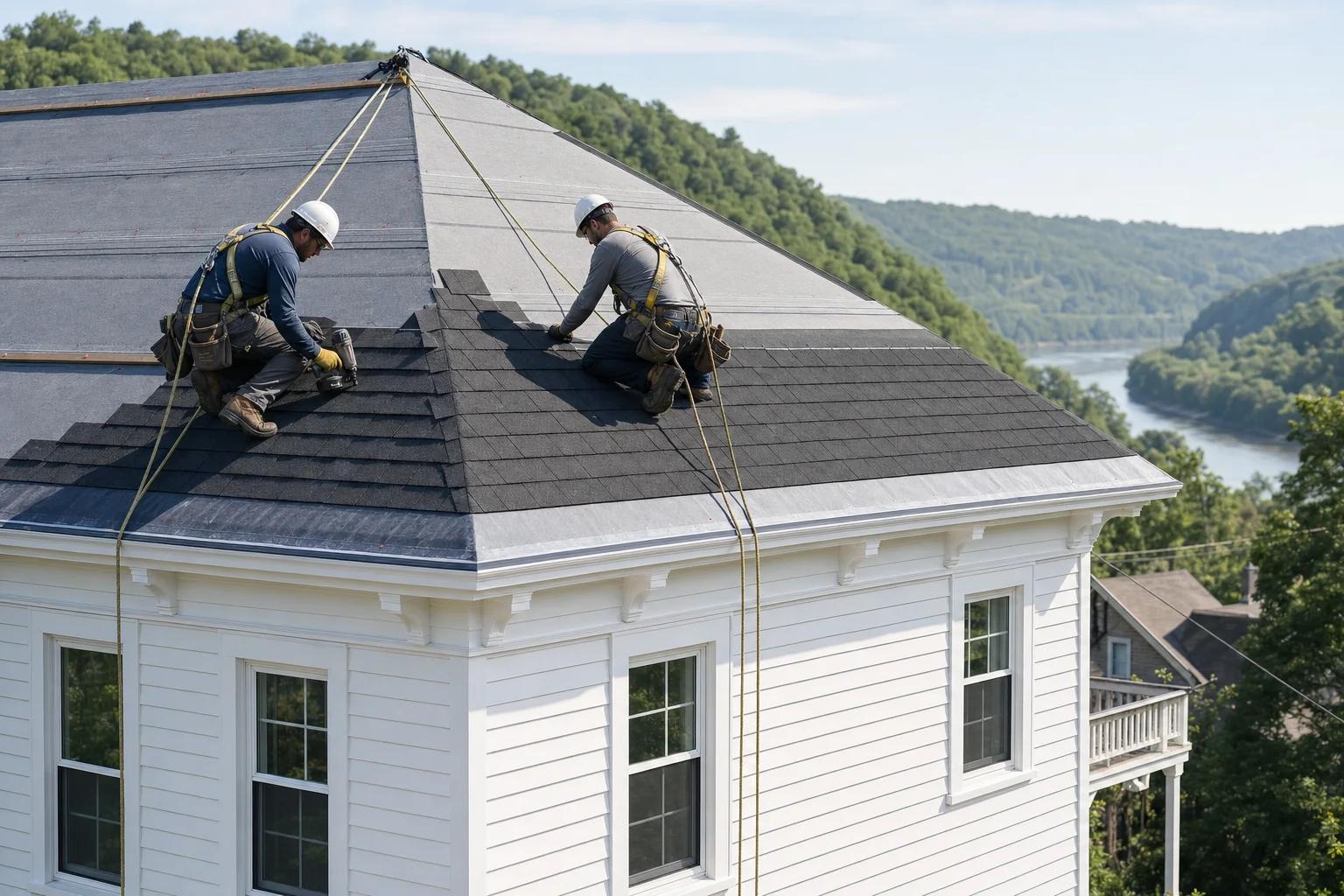
Images are illustrative and created for this website. They are not photographs of completed customer projects.
How it works
Our Simple 4-Step Process
- 1
Consult
Tell us about your project and goals. We review the location, scope and any constraints.
- 2
Plan
We define the scope in writing, confirm selections and identify permits the work may need.
- 3
Build
Work proceeds against the agreed plan, with updates when decisions or changes come up.
- 4
Enjoy
We walk through the finished work with you and hand over care and warranty information.
Questions
New York Project FAQs
Do I need a permit to remodel a kitchen or bathroom in New York?
It depends on where you live and what you change. Outside New York City, the Uniform Code requires permits for work that must conform to it, with certain exceptions, and your city, town or village enforces it. Rochester, for example, requires permits for altering water, drain and vent lines, but not for swapping fixtures without disturbing fixed piping or for replacing interior finishes. In New York City, installing new cabinets or replacing plumbing fixtures may not need a DOB permit, but plumbing and gas work must still be done by a Licensed Master Plumber. We confirm permit needs for your address during planning.
How do I check a contractor's license in New York?
Home improvement licensing in New York is local. New York City contractors are licensed by DCWP, which has an online Search Business tool. Westchester County keeps a list of licensed contractors, and Nassau, Suffolk, Putnam and Rockland counties also license home improvement contractors. Elsewhere, ask your city, town or county what applies, and get proof of insurance, as the Attorney General recommends.
Does my house need an asbestos survey before a remodel?
In most cases, yes. The New York State Department of Labor requires an asbestos survey by a certified New York State asbestos inspector before demolition, renovation, remodeling or repair work. Copies go to the local office that issues the permit and to the Department's Asbestos Control Bureau. Some buildings are exempt, such as those built on or after January 1, 1974, but the Department says exempt buildings must be assumed to contain asbestos unless a survey shows otherwise.
What rules apply to lead paint in older homes?
In homes built before 1978, anyone paid to do work that disturbs painted surfaces must be certified under EPA's Renovation, Repair and Painting rule and follow lead-safe practices. New York City adds Local Law 1 of 2004, which covers buildings built before 1960, and buildings from 1960 to 1978 with known lead paint, where a child under six lives.
When should I schedule roofing and other exterior work?
Upstate, plan exterior work outside the snow season. Lake-effect snow is common in the Great Lakes region in late fall and winter, and Syracuse's normal snowfall is 127.8 inches a year. Albany's normal is 59.2 inches. Interior projects can run through winter, but roof tear-offs and siding work are easier to schedule from spring to early fall.
Which energy code applies to my project?
Outside New York City, projects follow the 2025 Energy Conservation Construction Code of New York State, which is based on the 2024 IECC and applies to building permit applications submitted on or after December 31, 2025. New York City has its own energy code and uses Climate Zone 4A. Your county's climate zone sets insulation and window requirements.
Sources (15)
- New York State Department of State · checked 2026-09-24
- New York State Department of State, Division of Building Standards and Codes · checked 2026-09-24
- U.S. Department of Energy, Building Energy Codes Program · checked 2026-09-24
- NYC Department of Buildings · checked 2026-09-24
- New York State Office of the Attorney General · checked 2026-09-24
- NYC Department of Consumer and Worker Protection · checked 2026-09-24
- Westchester County Department of Consumer Protection · checked 2026-09-24
- New York State Department of Labor · checked 2026-09-24
- U.S. Environmental Protection Agency · checked 2026-09-24
- NYC Department of Buildings · checked 2026-09-24
- NYC Department of Housing Preservation and Development · checked 2026-09-24
- National Weather Service · checked 2026-09-24
- National Weather Service, Binghamton NY · checked 2026-09-24
- National Weather Service, Albany NY · checked 2026-09-24
- City of Rochester · checked 2026-09-24
Local resources
Planning guides for New York
Ready to Start Your New York Project?
Tell us what you are planning and where. We'll confirm availability for your address and follow up to talk through scope and next steps.