North Carolina Construction Pros
Construction & Remodeling Experts in North Carolina
North Carolina Construction Pros plans and builds kitchen and bathroom remodels, roofing, repairs, commercial projects and new homes for North Carolina homeowners and businesses. Work is planned to the North Carolina State Building Code, which applies statewide and is enforced by city and county inspection departments. Plans also account for local conditions: three energy-code climate zones from the coast to the mountains, hurricanes and their inland remnants, and a housing stock that runs from pre-1940 city homes to subdivisions built since 2000. Service in your area is still being confirmed, so we check your project address before anything is scheduled.
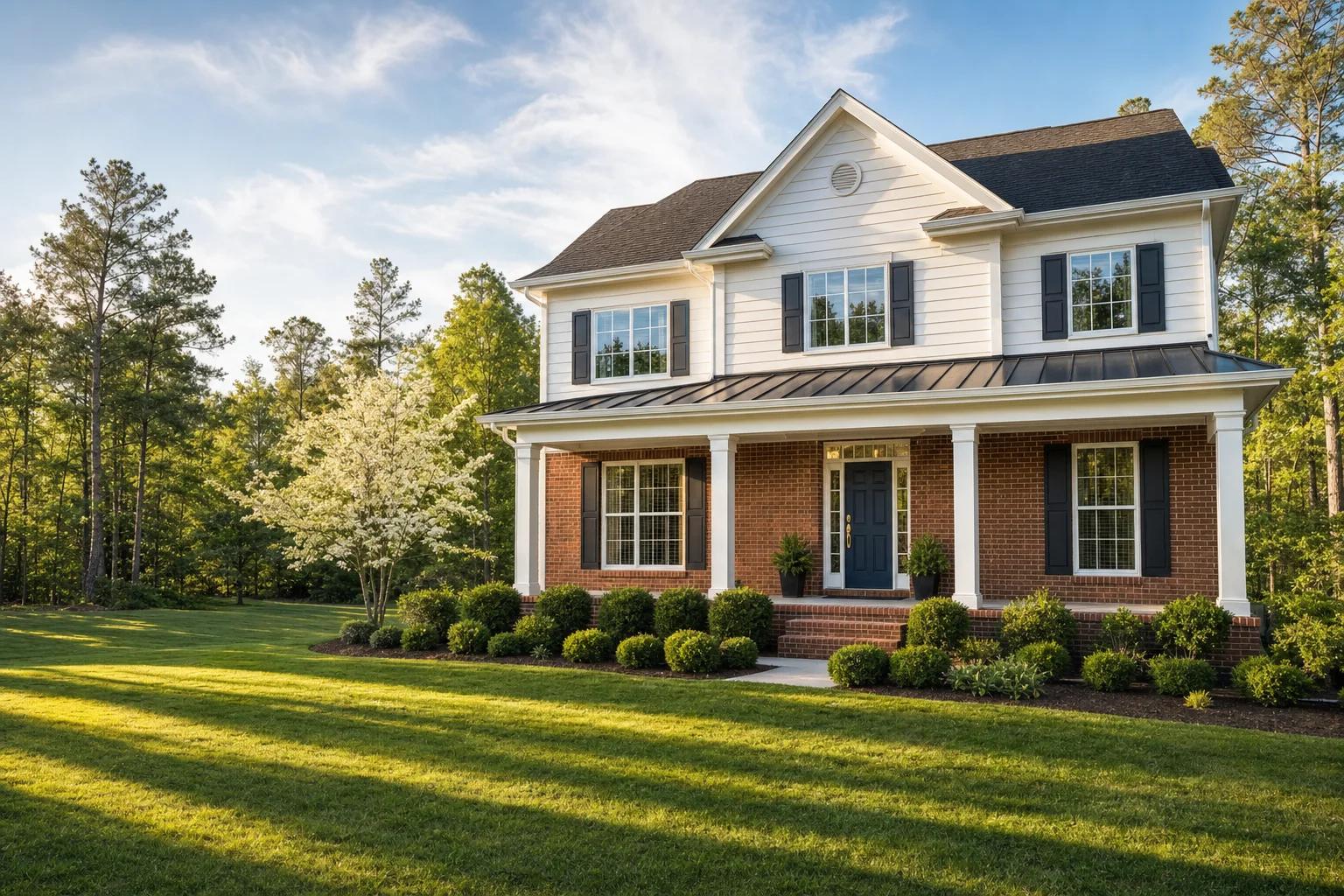
North Carolina
Construction Pros
Remodeling, roofing, repairs and new construction planned around North Carolina's state code, humid climate and storms.
Serving communities across North Carolina
Service areasBuilding in North Carolina
What shapes a project in North Carolina
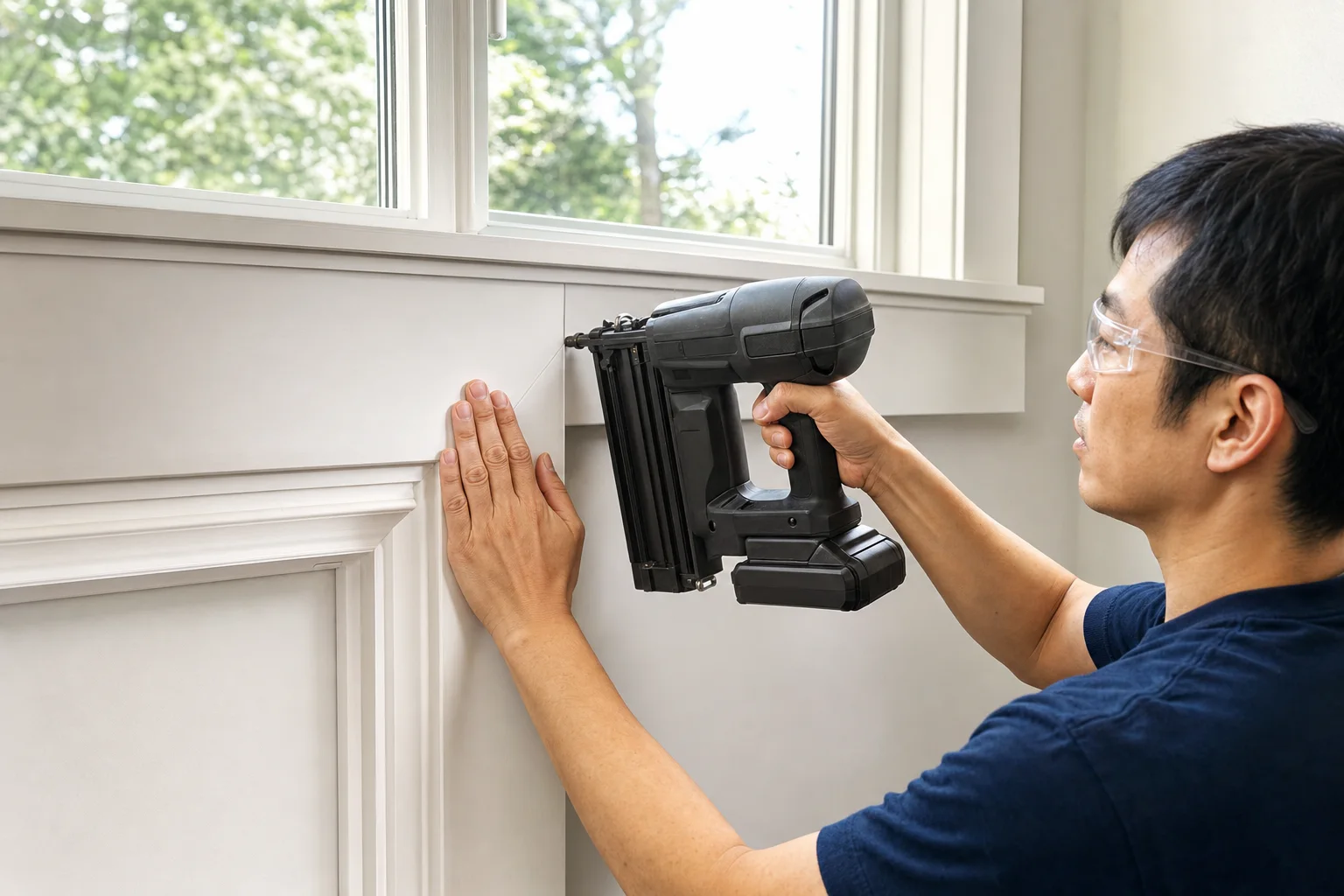
One state building code, enforced locally
The 2018 North Carolina State Building Codes, based on the 2015 International Codes with state amendments, have been in effect since January 1, 2019. The Office of State Fire Marshal says they remain in effect while the 2024 edition is delayed by state law. A June 2026 notice from the state plumbing, heating and fire sprinkler licensing board put the earliest possible date for the 2024 code at May 1, 2027, so the edition in force is confirmed when a permit is applied for. Local building rules generally take effect only after the state Code Council approves them, with floodplain management rules as an exception.
Three energy-code climate zones
North Carolina's residential energy code is the 2015 IECC with state amendments, in effect since January 1, 2019. Under the county map in the U.S. Department of Energy's climate zone guide, most of the state falls in zones 3A and 4A. Six high-mountain counties, including Watauga, Ashe and Avery, are in zone 5A, and several coastal counties such as New Hanover and Brunswick are classed as hot-humid. Insulation, window and moisture details are chosen for the county the project is in.
Hurricanes reach the whole state
The NC State Climate Office says the coast sees a hurricane every 5 to 7 years on average and that all parts of the state have felt tropical cyclone impacts, often from the remnants of storms that land elsewhere. Hurricane Florence caused flooding across several regions. In late September 2024, Helene brought 13.98 inches of rain to the Asheville airport and record flooding on the Swannanoa River. Roof attachment, flashing, drainage and site grading deserve attention in every region.
Coastal permits in 20 counties
In North Carolina's 20 coastal counties, the Division of Coastal Management runs the CAMA permit program. Minor permits cover projects such as single-family houses and are issued by local governments under contract with the Division. Whether a lot needs a CAMA permit is checked early, because it can affect design and timing.
A mix of newer and older homes
The Census Bureau's 2024 American Community Survey counts about 5.07 million housing units in North Carolina. About 38 percent were built in 2000 or later, while about 13 percent date from before 1960. About 65 percent are single-family detached homes and about 10 percent are mobile homes, so projects range from updating recent subdivision houses to repairing older homes and manufactured housing.
Sources (11)
- North Carolina Office of State Fire Marshal · checked 2026-09-24
- North Carolina Office of State Fire Marshal · checked 2026-09-24
- North Carolina State Board of Examiners of Plumbing, Heating and Fire Sprinkler Contractors · checked 2026-09-24
- North Carolina General Assembly (G.S. 143-138) · checked 2026-09-24
- U.S. Department of Energy, Building Energy Codes Program · checked 2026-09-24
- U.S. Department of Energy, Building America (Guide to Determining Climate Regions by County) · checked 2026-09-24
- North Carolina State Climate Office (NC State University) · checked 2026-09-24
- North Carolina State Climate Office (NC State University) · checked 2026-09-24
- North Carolina Department of Environmental Quality, Division of Coastal Management · checked 2026-09-24
- North Carolina Department of Environmental Quality, Division of Coastal Management · checked 2026-09-24
- U.S. Census Bureau, American Community Survey 2024 1-year (via Census Reporter) · checked 2026-09-24
Licensing & permits
Verify any contractor in North Carolina
Contractor licensing
North Carolina Licensing Board for General Contractors
North Carolina requires a state general contractor license, issued by the NC Licensing Board for General Contractors, when the cost of a construction project is $40,000 or more. New Hanover County's building FAQ notes that labor and materials both count toward that value. An owner who builds or alters a building on their own land for their own occupancy may be exempt, but the exemption is generally meant for owners who live in the home for at least 12 months after completion. Electrical contractors are licensed by the State Board of Examiners of Electrical Contractors, and plumbing, heating, fuel gas piping and fire sprinkler contractors by the State Board of Examiners of Plumbing, Heating and Fire Sprinkler Contractors. Each board has a public license search. Check any contractor's license there before you sign a contract.
Check a contractor’s status (opens the official North Carolina site in a new tab)Building permits
Permits in North Carolina
Building permits for homes and businesses come from local inspection departments. Depending on the area, that is a city department, a county department, or a joint city-county office such as Durham's City-County Building & Safety Department or the Winston-Salem Inspections Division, which serves most of Forsyth County. These offices enforce the North Carolina State Building Code. State law exempts some work costing $40,000 or less in single-family homes, farm buildings and commercial buildings from permits. The exemption does not cover load-bearing structure, new or redesigned plumbing, heating, air-conditioning or electrical work other than like-kind swaps of electrical devices and light fixtures, roofing that is added rather than replaced, or changes covered by the Fire Code. Coastal projects may also need a CAMA permit. Permit needs vary by jurisdiction and scope, so North Carolina Construction Pros confirms them with the local department during planning, before work is scheduled.
Sources (11)
- North Carolina Office of State Fire Marshal · checked 2026-09-24
- North Carolina General Assembly (G.S. 160D-1110) · checked 2026-09-24
- North Carolina General Assembly (G.S. 87-1) · checked 2026-09-24
- North Carolina Licensing Board for General Contractors · checked 2026-09-24
- North Carolina Licensing Board for General Contractors · checked 2026-09-24
- North Carolina State Board of Examiners of Electrical Contractors · checked 2026-09-24
- North Carolina State Board of Examiners of Plumbing, Heating and Fire Sprinkler Contractors · checked 2026-09-24
- North Carolina Department of Environmental Quality, Division of Coastal Management · checked 2026-09-24
- Durham City-County Building & Safety Department · checked 2026-09-24
- City of Winston-Salem Inspections Division · checked 2026-09-24
- New Hanover County Building Safety · checked 2026-09-24
Our services
Construction & Remodeling Services in North Carolina
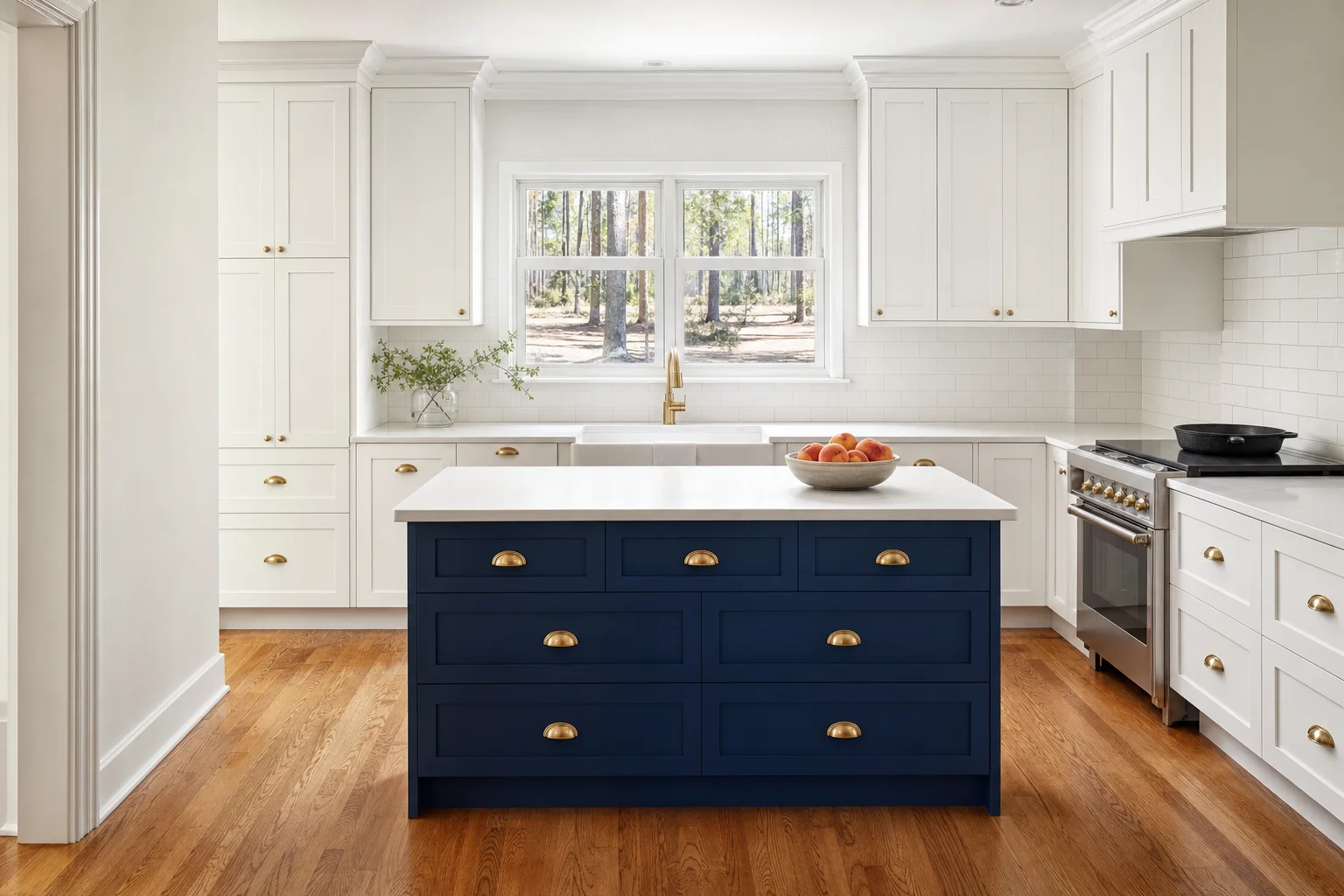
Illustrative image Kitchen Remodeling
Kitchen remodels that update the layout, cabinets, counters, lighting and finishes, planned around how you cook and use the room.
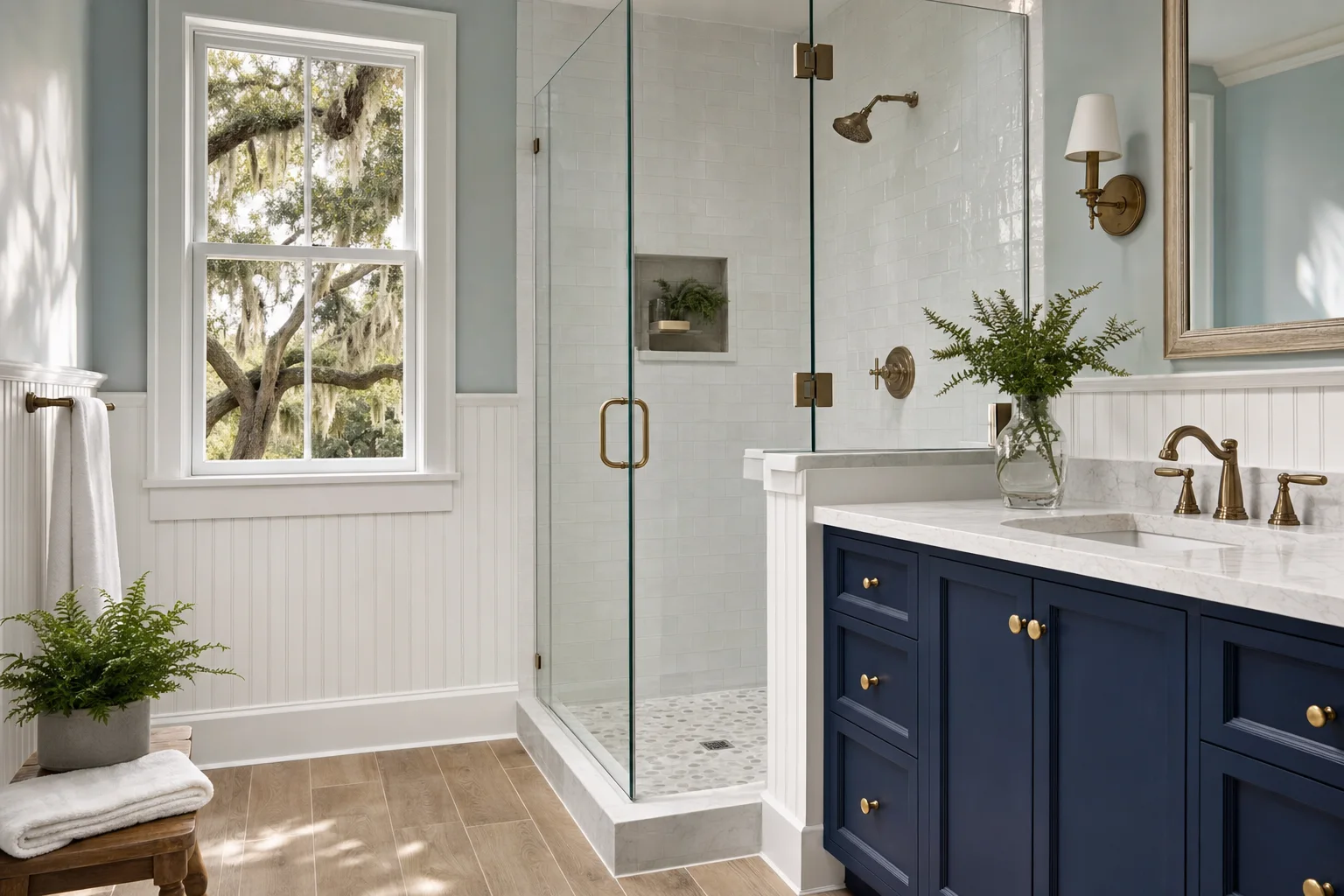
Illustrative image Bathroom Remodeling
Bathroom remodels built on sound waterproofing and ventilation, with fixtures and finishes that fit who uses the room.
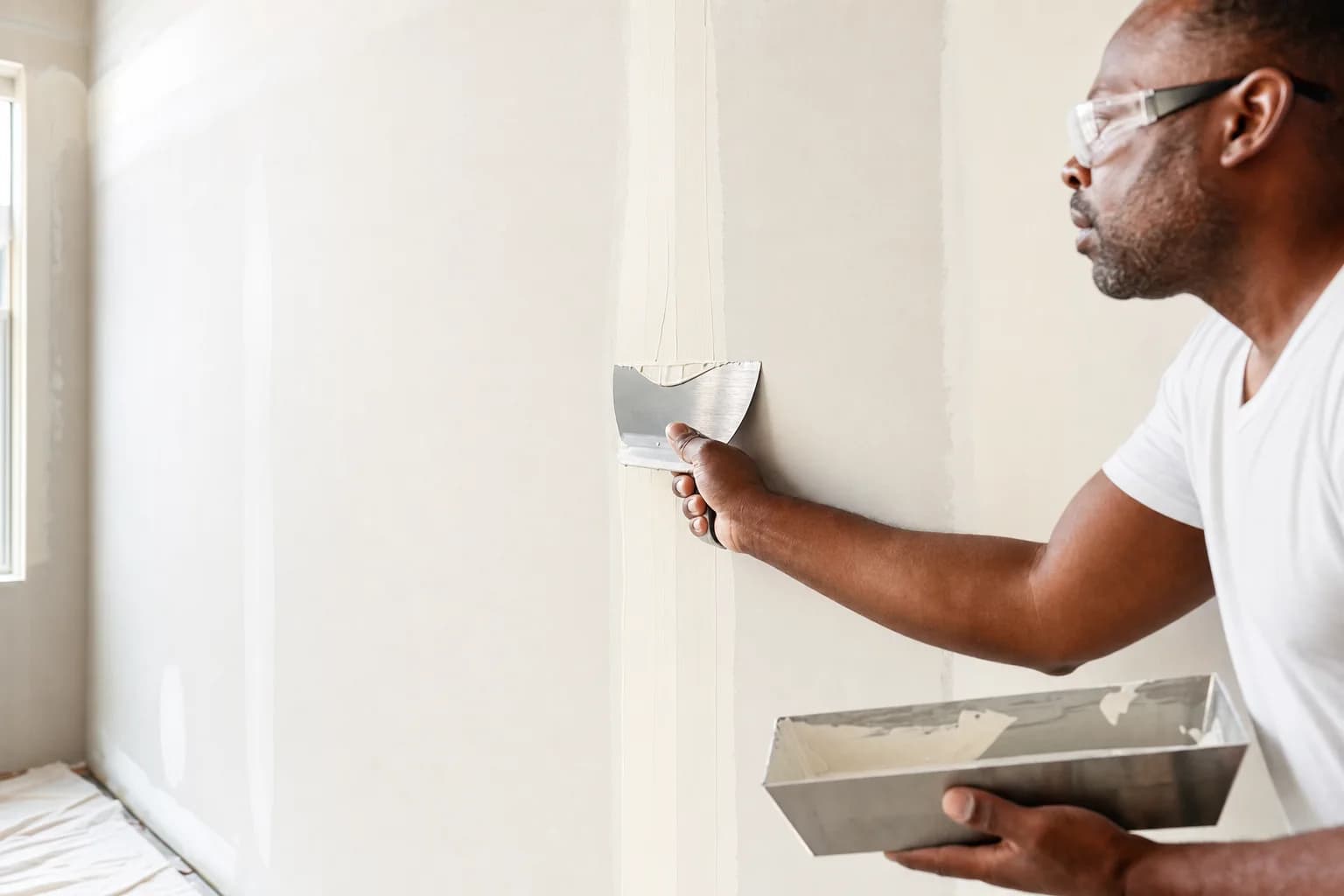
Illustrative image Repairs & Maintenance
Planned repair visits for the small and mid-size problems that build up in a home or building, from sticking doors to rotted trim and loose railings.
Inspiration
Design inspiration for North Carolina projects
Styles, materials and layouts suited to North Carolina homes and businesses, to help you picture your own project.
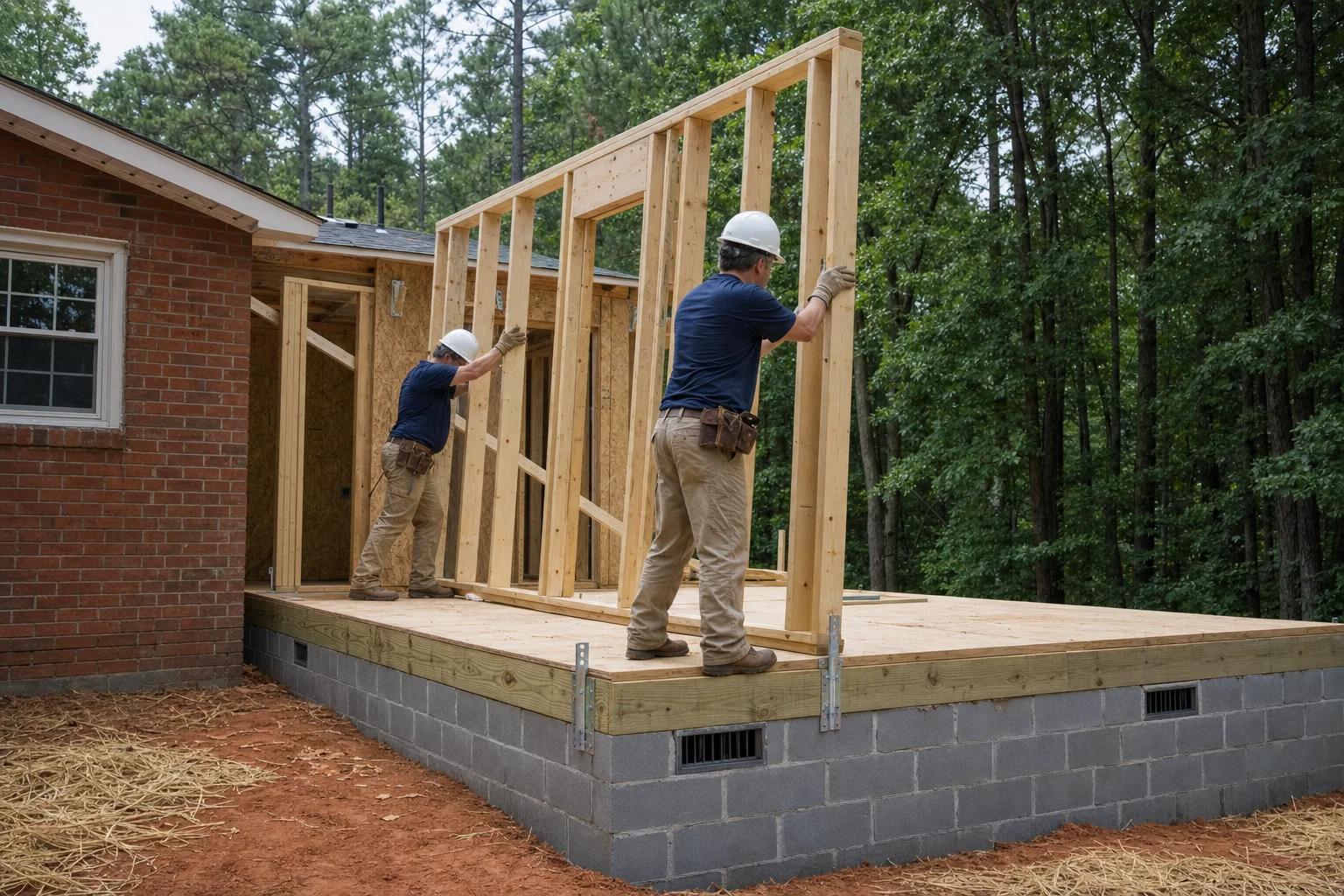
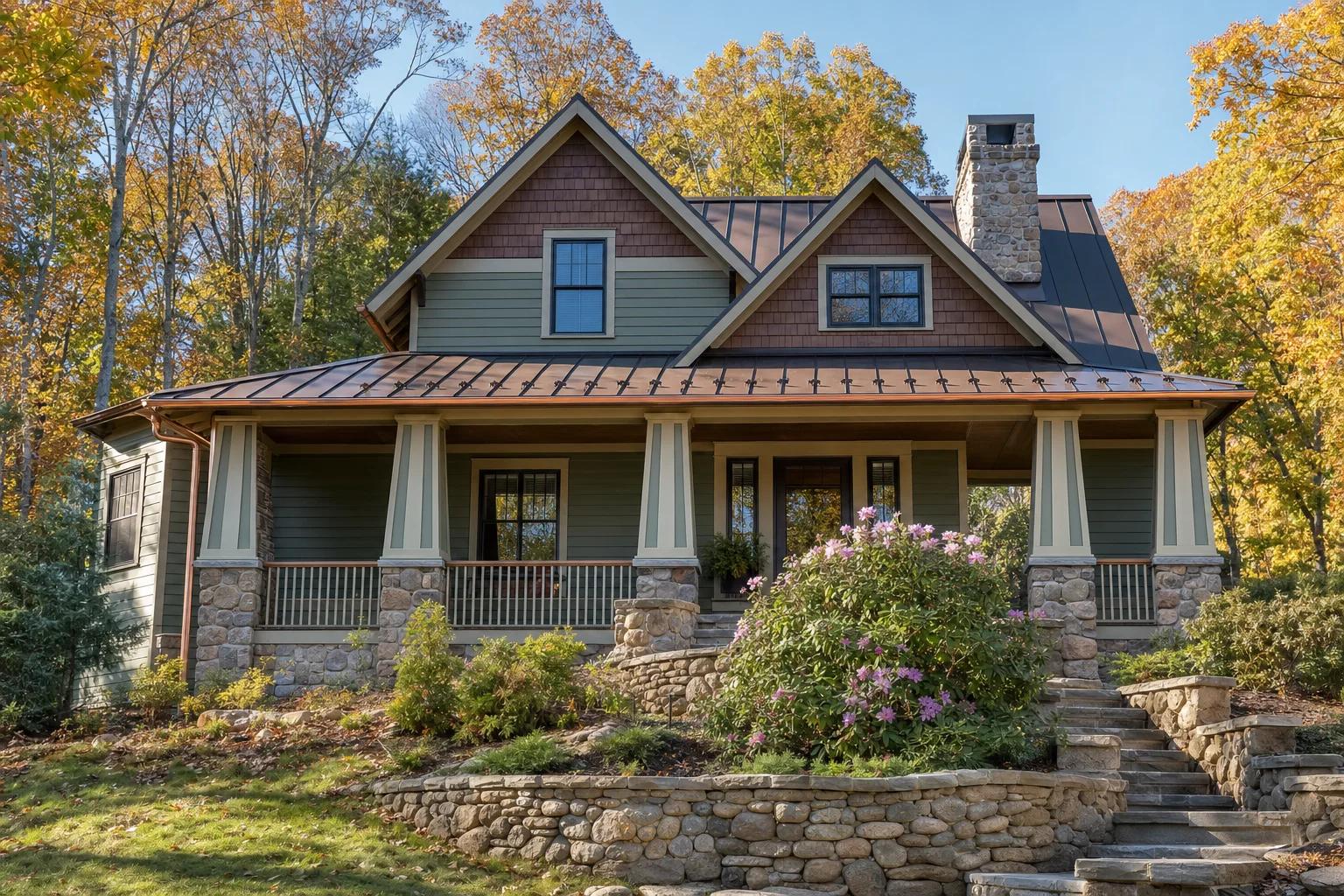
Images are illustrative and created for this website. They are not photographs of completed customer projects.
How it works
Our Simple 4-Step Process
- 1
Consult
Tell us about your project and goals. We review the location, scope and any constraints.
- 2
Plan
We define the scope in writing, confirm selections and identify permits the work may need.
- 3
Build
Work proceeds against the agreed plan, with updates when decisions or changes come up.
- 4
Enjoy
We walk through the finished work with you and hand over care and warranty information.
Questions
North Carolina Project FAQs
Do I need a building permit for a home project in North Carolina?
Often, yes. State law exempts some work costing $40,000 or less in a single-family home, but not work on load-bearing structure, new or redesigned plumbing, or adding, replacing or redesigning heating, air-conditioning or electrical systems, other than like-kind swaps of electrical devices and light fixtures. Materials the state code does not allow and roofing that is added rather than replaced are not exempt either. Local departments publish their own guidance. Raleigh, for example, lists roofing and room renovations among projects that need a permit but not full plans. The permit list for your project is confirmed with your city or county during planning.
How do I check a contractor's license in North Carolina?
Use the NC Licensing Board for General Contractors' public search for any project of $40,000 or more, when a general contractor license is required. For electrical work, search the State Board of Examiners of Electrical Contractors. For plumbing, heating, fuel gas piping and fire sprinkler work, search the State Board of Examiners of Plumbing, Heating and Fire Sprinkler Contractors. Match the name and license number on your contract to the board record.
Which building code applies to my project?
The 2018 North Carolina State Building Codes remain in effect. They are based on the 2015 International Codes with North Carolina amendments, and the residential energy code is the 2015 IECC with amendments. The 2024 edition has been delayed by state law, and a June 2026 notice from a state licensing board put its earliest possible effective date at May 1, 2027. The edition that applies is confirmed at permit time.
When should I schedule roofing or other exterior work?
Plan around storm risk wherever you are. The NC State Climate Office notes that the coast sees a hurricane every 5 to 7 years on average and that storm remnants affect inland areas too. Helene's record flooding in the mountains came in late September 2024. Build weather days into exterior schedules and keep the roof dried in before storms are forecast.
My property is near the coast. Is there an extra permit?
It may be. In the 20 coastal counties, the Division of Coastal Management runs the CAMA permit program for development. Minor permits cover projects such as single-family houses and are issued by local permit officers. Whether your lot needs one is checked early in planning.
What should I have ready before planning starts?
Have the property address, your deed or plat if you have one, photos of the area to be changed, and any HOA or neighborhood rules that apply to your lot. HOA approval is separate from a building permit, so check your covenants early. A short list of must-haves and nice-to-haves also helps set the scope.
Sources (15)
- North Carolina Office of State Fire Marshal · checked 2026-09-24
- North Carolina Office of State Fire Marshal · checked 2026-09-24
- North Carolina State Board of Examiners of Plumbing, Heating and Fire Sprinkler Contractors · checked 2026-09-24
- North Carolina General Assembly (G.S. 160D-1110) · checked 2026-09-24
- North Carolina Licensing Board for General Contractors · checked 2026-09-24
- North Carolina Licensing Board for General Contractors · checked 2026-09-24
- North Carolina State Board of Examiners of Electrical Contractors · checked 2026-09-24
- North Carolina State Board of Examiners of Plumbing, Heating and Fire Sprinkler Contractors · checked 2026-09-24
- U.S. Department of Energy, Building Energy Codes Program · checked 2026-09-24
- North Carolina State Climate Office (NC State University) · checked 2026-09-24
- North Carolina State Climate Office (NC State University) · checked 2026-09-24
- North Carolina Department of Environmental Quality, Division of Coastal Management · checked 2026-09-24
- North Carolina Department of Environmental Quality, Division of Coastal Management · checked 2026-09-24
- Mecklenburg County Code Enforcement · checked 2026-09-24
- City of Raleigh Planning and Development · checked 2026-09-24
Local resources
Planning guides for North Carolina
Ready to Start Your North Carolina Project?
Tell us what you are planning and where. We'll confirm availability for your address and follow up to talk through scope and next steps.