
Ohio Construction Pros
Construction & Remodeling Experts in Ohio
Ohio Construction Pros plans and builds kitchen and bathroom remodels, roofing, repairs, commercial projects and new homes for Ohio property owners. Work here starts with statewide building codes that state-certified local building departments enforce, and with a housing stock where more than a third of homes were built before 1960. We scope each project to the local permit office, the site and the season. Service areas in Ohio are still being confirmed, so we check availability for your address before anything is scheduled.
Ohio
Construction Pros
Kitchens, baths, roofing, repairs and new builds planned around Ohio codes, cold winters and older homes.
Serving communities across Ohio
Service areasBuilding in Ohio
What shapes a project in Ohio
Statewide codes, local enforcement
The Ohio Board of Building Standards adopts the state's building codes. The Ohio Building Code rules that took effect March 1, 2024 incorporate the 2021 International Building Code with Ohio amendments. Detached one-, two- and three-family homes fall under the separate Residential Code of Ohio. That code is based on the 2018 International Residential Code, took effect July 1, 2019, and was amended effective March 1, 2024. City, county and township building departments certified by the state enforce these codes. We confirm the edition in force with the local department for each project.
Two energy-code climate zones
The energy chapter of the Residential Code of Ohio assigns every county to a climate zone. Nine southern counties are Zone 4A: Adams, Brown, Clermont, Gallia, Hamilton, Lawrence, Pike, Scioto and Washington. Every other county, including Franklin, Cuyahoga, Lucas, Summit, Montgomery and Stark, is Zone 5A. The zone sets the insulation and window targets for new homes and additions, so it is confirmed early in design.
Snow, storms and heavier rain
NOAA's climate summary for Ohio identifies lake-effect snow as a hazard along the southeastern shore of Lake Erie, where northern counties get far more snow than the south. It also reports a significant rise in 2-inch rain events since the mid-1990s and notes that dangerous storms can occur in every season. Roof edges, flashing, gutters and site drainage are planned with those conditions in mind, and exterior work is scheduled around them.
An older housing stock
Census Bureau ACS 2024 estimates put the median Ohio home's year built at 1971. About 19 percent of the state's housing units were built before 1940 and about 37 percent before 1960, and roughly 69 percent are detached single-family homes. Any paid work that disturbs paint in a home built before 1978 falls under the EPA's lead-safe Renovation, Repair and Painting rule.
Old mines and unstable slopes
State law requires mine subsidence coverage in homeowners policies in 26 eastern and southeastern counties, including Stark, Mahoning, Trumbull and Tuscarawas, and requires insurers to offer it in 11 more, including Summit, Medina and Portage. In the Cincinnati area, geological surveys warn that Kope Formation shale is linked to thick clay-rich soil called colluvium, which fails readily on slopes. Sites in these areas get a closer look at foundations, grading and drainage before design is final.
Sources (9)
- Ohio Board of Building Standards, Ohio Department of Commerce · checked 2026-09-24
- ICC NTA (International Code Council affiliate) Ohio code update notices · checked 2026-09-24
- Ohio Laws and Administrative Rules (Legislative Service Commission) · checked 2026-09-24
- Ohio Admin. Code 4101:8-11-01 (Residential Code of Ohio energy efficiency), via Cornell Legal Information Institute · checked 2026-09-24
- NOAA National Centers for Environmental Information, State Climate Summaries · checked 2026-09-24
- U.S. Census Bureau, American Community Survey 2024 1-year (tables B25034, B25035, B25024, via Census Reporter) · checked 2026-09-24
- Ohio Revised Code 3929.56 · checked 2026-09-24
- U.S. Environmental Protection Agency · checked 2026-09-24
- Landslides and Your Property (Ohio, Kentucky and Indiana geological surveys; hosted by City of Cincinnati DOTE) · checked 2026-09-24
Licensing & permits
Verify any contractor in Ohio
Contractor licensing
Ohio Construction Industry Licensing Board (OCILB), Ohio Department of Commerce
Ohio has no statewide general contractor or home improvement contractor license. The Ohio Construction Industry Licensing Board licenses five trades: electrical, HVAC, plumbing, hydronics and refrigeration contractors. State law ties those licenses to construction projects other than one-, two- and three-family homes, and bars anyone from claiming to be one of these contractor types without the license. Many cities add their own rules. Columbus licenses home improvement contractors and requires every contractor to hold the right license or registration before applying for permits. Cleveland requires electrical, plumbing and HVAC contractors to hold a state license before they register with the city. Akron requires every contractor whose work needs a permit to register. Before you hire anyone, ask your city or county building department whether the contractor is licensed or registered there, and ask the contractor for proof of licenses, insurance and bonding.
Check a contractor’s status (opens the official Ohio site in a new tab)Building permits
Permits in Ohio
Ohio's building codes are enforced by city, county and township building departments that the state certifies. They apply the Ohio Building Code to commercial work and the Residential Code of Ohio to one-, two- and three-family homes. What needs a permit, and what extra reviews apply, varies by city. Cleveland requires a residential permit to reroof or install windows, while Toledo does not require one for new cabinets or tile. Columbus, Cleveland, Cincinnati, Dayton and Toledo each have local historic districts where exterior work may need a Certificate of Appropriateness. We confirm the permit path for your address during planning, before any work is scheduled.
Sources (14)
- Ohio Board of Building Standards, Ohio Department of Commerce · checked 2026-09-24
- ICC NTA (International Code Council affiliate) Ohio code update notices · checked 2026-09-24
- Ohio Revised Code Chapter 4740 · checked 2026-09-24
- Ohio Revised Code 4740.01 · checked 2026-09-24
- Ohio Revised Code 4740.13 · checked 2026-09-24
- Ohio Attorney General, Consumer Protection Section · checked 2026-09-24
- City of Columbus Department of Building and Zoning Services · checked 2026-09-24
- City of Columbus Planning Division · checked 2026-09-24
- City of Cleveland Department of Building & Housing · checked 2026-09-24
- Cleveland Landmarks Commission · checked 2026-09-24
- City of Cincinnati Historic Conservation Office · checked 2026-09-24
- City of Toledo · checked 2026-09-24
- City of Akron Plans and Permits Center · checked 2026-09-24
- City of Dayton · checked 2026-09-24
Our services
Construction & Remodeling Services in Ohio
Illustrative image Kitchen Remodeling
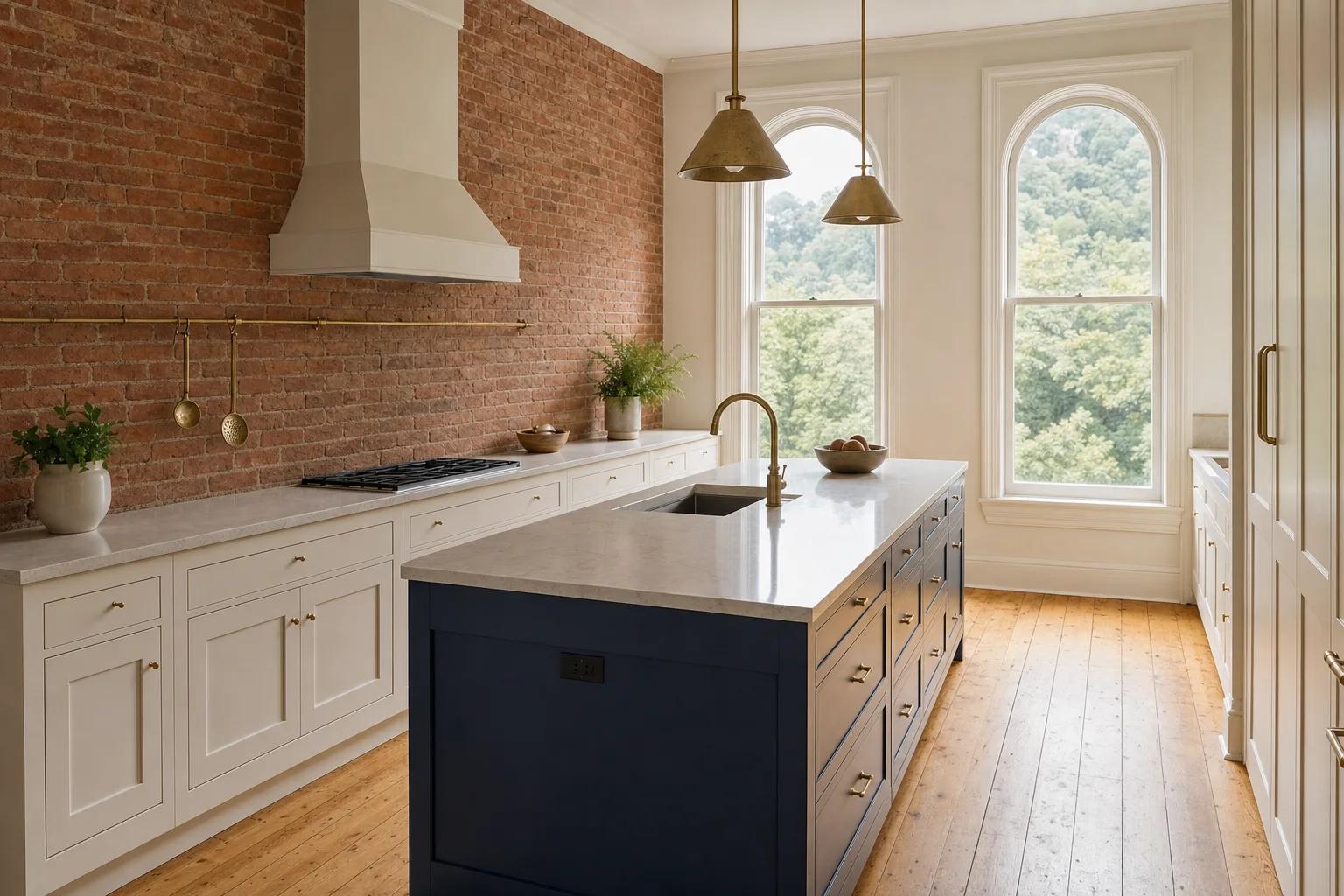
Kitchen remodels that update the layout, cabinets, counters, lighting and finishes, planned around how you cook and use the room.

Illustrative image Bathroom Remodeling
Bathroom remodels built on sound waterproofing and ventilation, with fixtures and finishes that fit who uses the room.

Illustrative image Repairs & Maintenance
Planned repair visits for the small and mid-size problems that build up in a home or building, from sticking doors to rotted trim and loose railings.
Inspiration
Design inspiration for Ohio projects
Styles, materials and layouts suited to Ohio homes and businesses, to help you picture your own project.
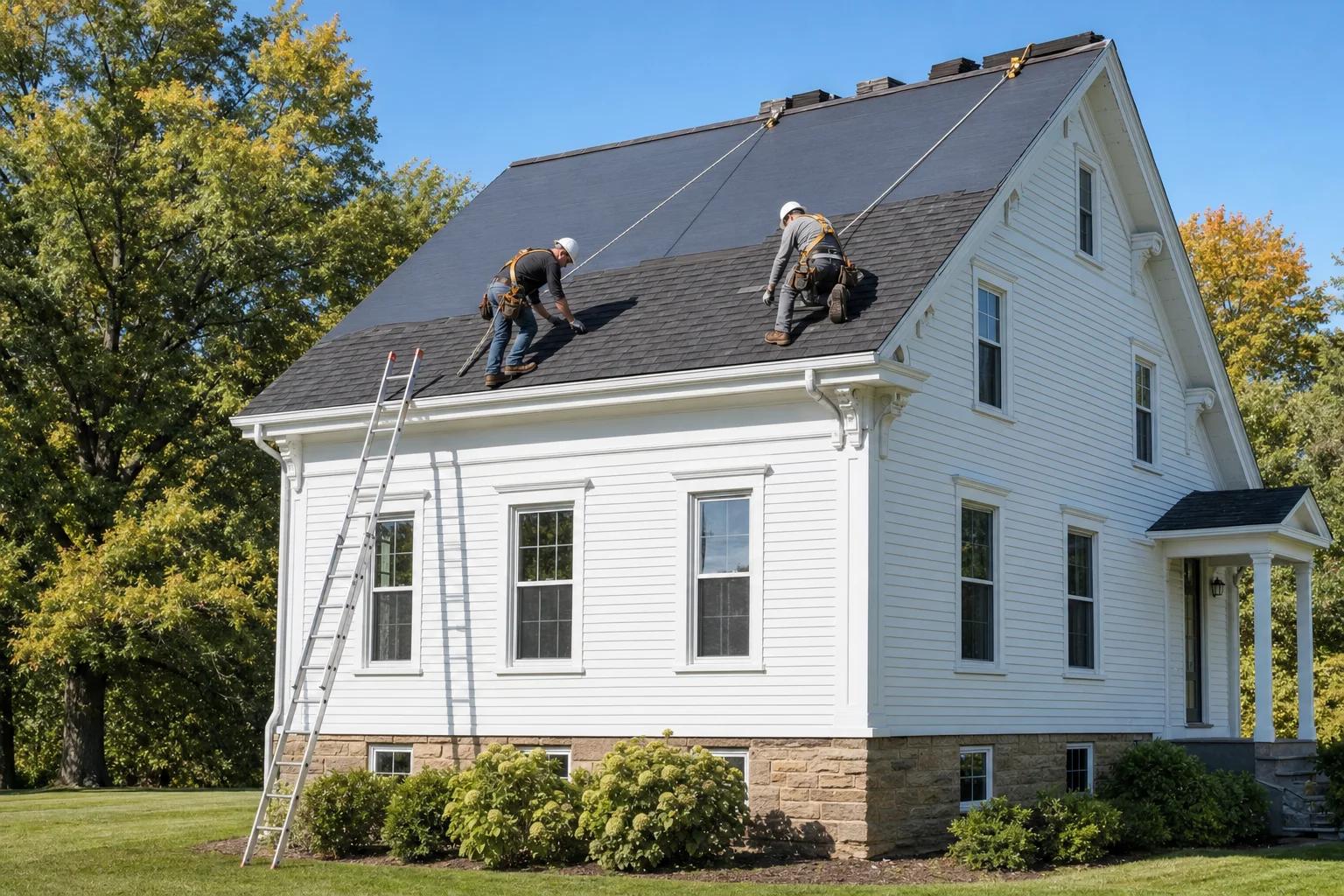
Images are illustrative and created for this website. They are not photographs of completed customer projects.
How it works
Our Simple 4-Step Process
- 1
Consult
Tell us about your project and goals. We review the location, scope and any constraints.
- 2
Plan
We define the scope in writing, confirm selections and identify permits the work may need.
- 3
Build
Work proceeds against the agreed plan, with updates when decisions or changes come up.
- 4
Enjoy
We walk through the finished work with you and hand over care and warranty information.
Questions
Ohio Project FAQs
Do I need a permit to remodel a kitchen or bathroom in Ohio?
It depends on the city and the scope. Toledo, for example, does not require a building permit for paint, tile, carpet, new cabinets or minor plumbing repairs. Cleveland requires residential permits for electrical, plumbing and HVAC work and for finishing basements and attics. We confirm the requirements with your local building department during planning.
How do I check a contractor's license in Ohio?
Ohio does not license general or home improvement contractors at the state level, but many cities do. Electrical, HVAC, plumbing, hydronics and refrigeration contractors hold state licenses from the Ohio Construction Industry Licensing Board. The Ohio Attorney General advises asking for proof of licenses, insurance and bonding, checking references, and checking with local officials about permits. Some cities, such as Cleveland and Akron, also require contractors to register, so ask your local building department what applies there.
Which energy code climate zone is my Ohio home in?
Adams, Brown, Clermont, Gallia, Hamilton, Lawrence, Pike, Scioto and Washington counties are in Climate Zone 4A. All other Ohio counties are in Zone 5A. The zone sets insulation and window requirements under the Residential Code of Ohio for new homes and additions.
When is a good time of year for exterior work in Ohio?
Roofing, siding and other exterior work is easiest to schedule from spring through fall, but Ohio weather needs planning in any season. NOAA notes that dangerous storms can occur in every season, 2-inch rain events have increased significantly since the mid-1990s, and lake-effect snow is a hazard near Lake Erie. In the snow belt, plan exterior projects so the building is closed in before winter.
My home is in a local historic district. What changes?
Exterior work may need design review before it starts. Cleveland's Landmarks Commission reviews exterior changes only, not interiors. In Cincinnati, a Certificate of Appropriateness is required even for work that does not need a building permit. Dayton's rules depend on the property's historic designation. We build the review into the schedule once we know your address.
What should I have ready before a planning visit?
Have the project address, photos of the space, a list of what you want to change, and any past permits or surveys you have. If you belong to a homeowners association, bring its architectural rules. Tell us the year the home was built: if it was built before 1978, anyone paid to do work that disturbs paint must be certified and follow lead-safe work practices.
Sources (11)
- Ohio Admin. Code 4101:8-11-01 (Residential Code of Ohio energy efficiency), via Cornell Legal Information Institute · checked 2026-09-24
- Ohio Revised Code 4740.01 · checked 2026-09-24
- Ohio Attorney General, Consumer Protection Section · checked 2026-09-24
- NOAA National Centers for Environmental Information, State Climate Summaries · checked 2026-09-24
- U.S. Environmental Protection Agency · checked 2026-09-24
- City of Cleveland Department of Building & Housing · checked 2026-09-24
- Cleveland Landmarks Commission · checked 2026-09-24
- City of Cincinnati Historic Conservation Office · checked 2026-09-24
- City of Toledo · checked 2026-09-24
- City of Akron Plans and Permits Center · checked 2026-09-24
- City of Dayton · checked 2026-09-24
Local resources
Planning guides for Ohio
Ready to Start Your Ohio Project?
Tell us what you are planning and where. We'll confirm availability for your address and follow up to talk through scope and next steps.