
Utah Construction Pros
Construction & Remodeling Experts in Utah
Utah Construction Pros plans and builds kitchen and bath remodels, roofing, repairs, commercial projects and new homes for Utah homeowners and businesses. Utah has one State Construction Code for its cities and counties, but snow loads, energy climate zones and soil conditions change with elevation and region, from climate zone 3B in St. George to 6B in Cache County. Each project is scoped around those conditions, the state's contractor licensing rules and the building department for your address. Service areas in Utah are still being confirmed, so availability is checked for each project address.
Utah
Construction Pros
Remodeling, roofing, repairs and new construction planned around Utah's state code, snow loads, seismic risk and climate zones.
Serving communities across Utah
Service areasBuilding in Utah
What shapes a project in Utah
One statewide construction code
Utah's cities and counties follow the State Construction Code set by the Legislature. The version in effect on July 1, 2026 adopts the 2024 International Building Code, the 2021 International Residential Code, the 2024 plumbing, mechanical, fuel gas, energy and existing building codes, and the 2023 National Electrical Code, with statewide amendments and a short list of local amendments written into state law. Apart from a few narrow exceptions, local governments may not add rules that are more restrictive on subjects the state code already covers.
Energy code and climate zones
Utah's energy amendments refer to three climate zones: 3-B, 5-B and 6-B. A Department of Energy county guide places Washington County in 3B, Wasatch Front counties such as Salt Lake, Utah, Davis and Weber in 5B, and colder counties such as Cache, Summit and Wasatch in 6B. For houses, a revised Utah energy chapter took effect July 1, 2026, with prescriptive minimums such as R-21 above-grade walls, R-38 ceilings and U-0.32 windows, or a REScheck or HERS performance path.
Earthquake risk and older masonry
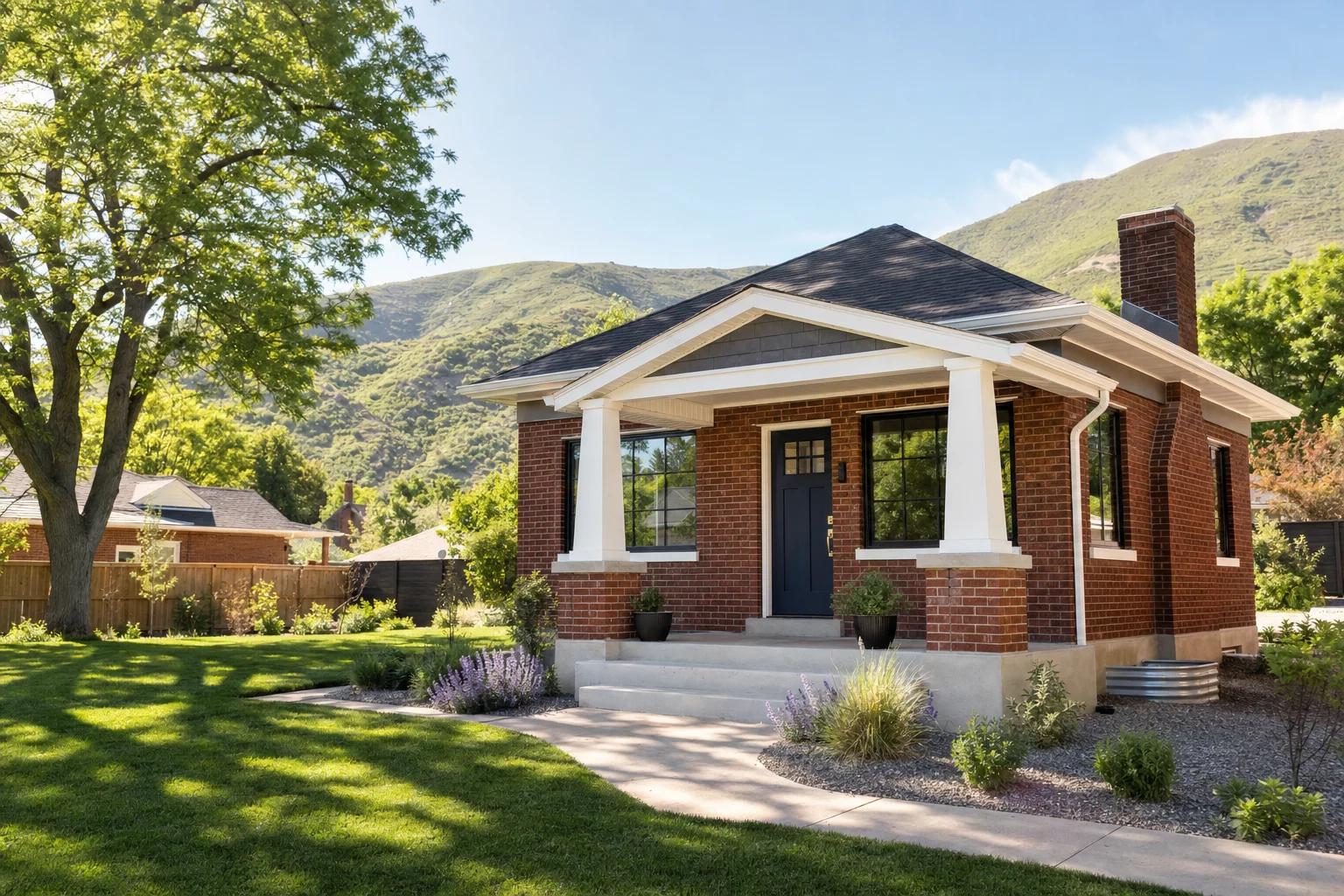
The state estimates a 57% probability that the Wasatch Front will have at least one magnitude 6.0 or larger earthquake in the next 50 years. Most of Utah's unreinforced and lightly reinforced brick, stone and block buildings were built before 1975, and building codes were changed in the 1970s to stop new unreinforced masonry construction. Remodels that open walls or change the structure of an older brick home are a good time to ask a structural engineer about seismic upgrades.
Snow loads change with elevation
Utah sets its own residential snow loads. The state table lists ground snow loads for selected towns, such as 21 pounds per square foot in St. George and 43 in Logan. Where elevation changes a lot within a town, the listed value applies at and below the listed elevation. Other locations use the Utah Snow Load Study, so roof framing, additions and solar layouts are designed to the load for the actual site.
Radon, soils and wildfire
Utah's Department of Environmental Quality reports that about 1 in 3 Utah homes have elevated radon levels, which matters for basement finishes and new foundations. Some cities want soils information with permits: Cedar City asks for a geotechnical datasheet, and St. George's form asks whether expansive or collapsible soils were found. The state lists more than 700 communities at risk from wildfire. Through 2026, local governments may adopt the 2006 Utah Wildland Urban Interface Code by ordinance; a version of the law taking effect January 1, 2027 adopts the 2024 International Wildland-Urban Interface Code instead.
Sources (13)
- Utah State Legislature (Utah Code 15A-1-204) · checked 2026-09-24
- Utah State Legislature (Utah Code 15A-2-103) · checked 2026-09-24
- Utah State Legislature (Utah Code 15A-2-103) · checked 2026-09-24
- Utah State Legislature (Utah Code 15A-3-202) · checked 2026-09-24
- Utah State Legislature (Utah Code 15A-3-203) · checked 2026-09-24
- Utah State Legislature (Utah Code 15A-3-701) · checked 2026-09-24
- U.S. Department of Energy, Building America (Pacific Northwest National Laboratory) · checked 2026-09-24
- State of Utah earthquake program (earthquakes.utah.gov) · checked 2026-09-24
- State of Utah earthquake program (earthquakes.utah.gov) · checked 2026-09-24
- Utah Department of Environmental Quality, Radon Program · checked 2026-09-24
- Utah Division of Forestry, Fire and State Lands · checked 2026-09-24
- City of St. George Building Department · checked 2026-09-24
- Cedar City Building & Zoning · checked 2026-09-24
Licensing & permits
Verify any contractor in Utah
Contractor licensing
Utah Division of Professional Licensing (DOPL)
Utah licenses construction contractors at the state level through the Division of Professional Licensing. General classifications include B100 General Contractor, R100 Residential/Small Commercial Contractor and E100 General Engineering Contractor, and plumbing and electrical contractors need a master-level qualifier. State law exempts small alteration, repair and remodeling jobs with a contracted value under $7,000, counting labor, materials and changes, but plumbing, electrical, gas appliance, HVAC, water-based fire protection, alarm and radon mitigation work on those jobs still has to be done by licensed or certified people. Before hiring any contractor, check the license in DOPL's Licensee Lookup and Verification System and ask for proof of general liability insurance and any required workers' compensation insurance.
Check a contractor’s status (opens the official Utah site in a new tab)Building permits
Permits in Utah
Building permits in Utah are issued by the local building department for the property, such as Salt Lake City Building Services, the West Valley City Building Inspection Division or Lehi City Building and Inspections. Cities and counties enforce the State Construction Code, including any local amendments written into state law, but each office runs its own application portal, plan checklists and review steps, and some add soils reports or historic-district approval. Salt Lake City sends exterior work in a historic district to its Planning Counter first, and Logan lists re-roofing, siding and windows among work that needs a permit. Permit needs for each project are confirmed with the local office during planning.
Sources (11)
- Utah Division of Professional Licensing (DOPL) · checked 2026-09-24
- Utah Division of Professional Licensing (DOPL) · checked 2026-09-24
- Utah State Legislature (Utah Code 58-55-305) · checked 2026-09-24
- Utah Division of Professional Licensing (DOPL) · checked 2026-09-24
- Utah State Legislature (Utah Code 15A-1-204) · checked 2026-09-24
- Utah State Legislature (Utah Code 15A-2-103) · checked 2026-09-24
- Salt Lake City Building Services · checked 2026-09-24
- West Valley City Building Inspection Division · checked 2026-09-24
- Lehi City Building and Inspections · checked 2026-09-24
- Logan City Building Department · checked 2026-09-24
- Cedar City Building & Zoning · checked 2026-09-24
Our services
Construction & Remodeling Services in Utah
Illustrative image Kitchen Remodeling
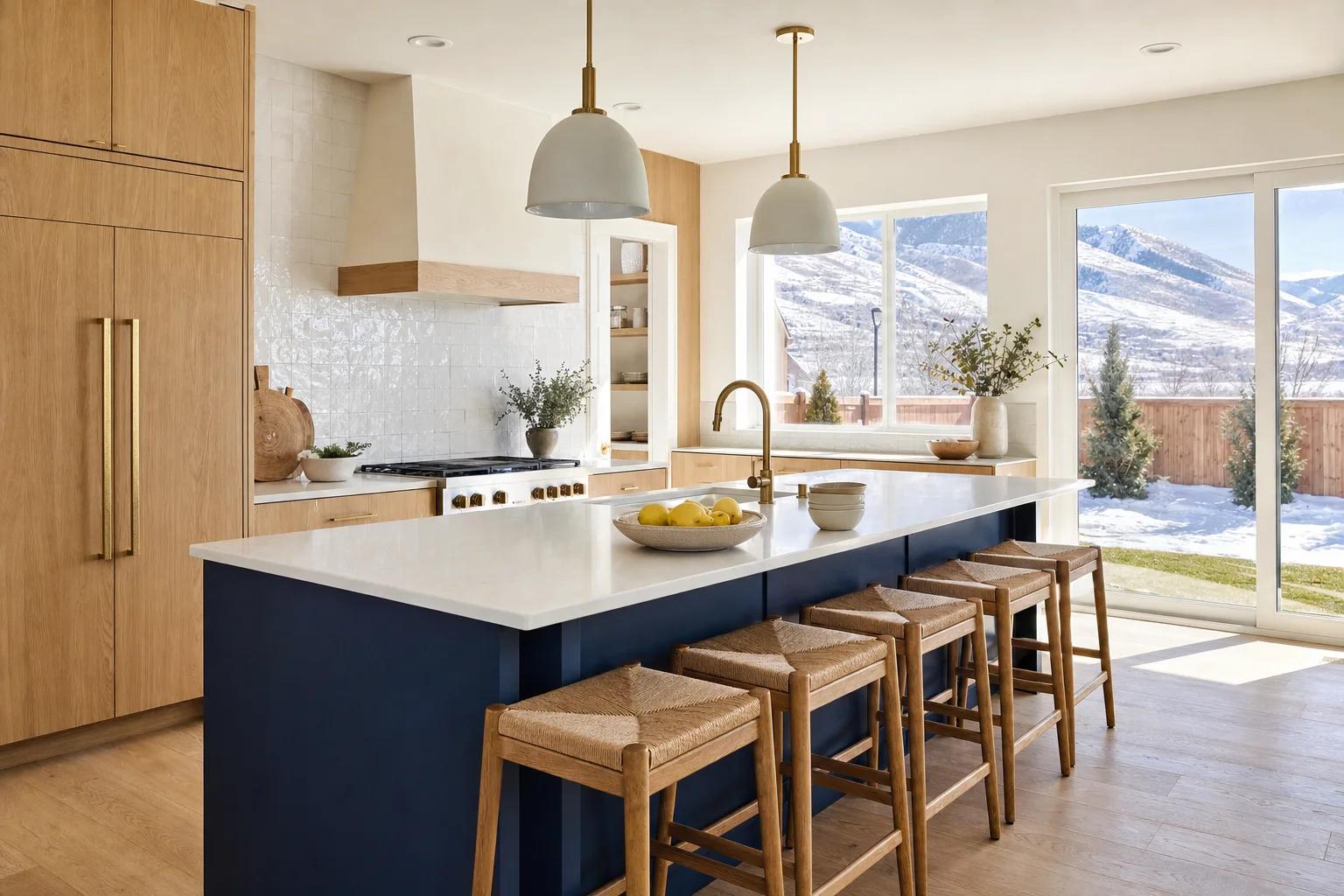
Kitchen remodels that update the layout, cabinets, counters, lighting and finishes, planned around how you cook and use the room.
Illustrative image Bathroom Remodeling
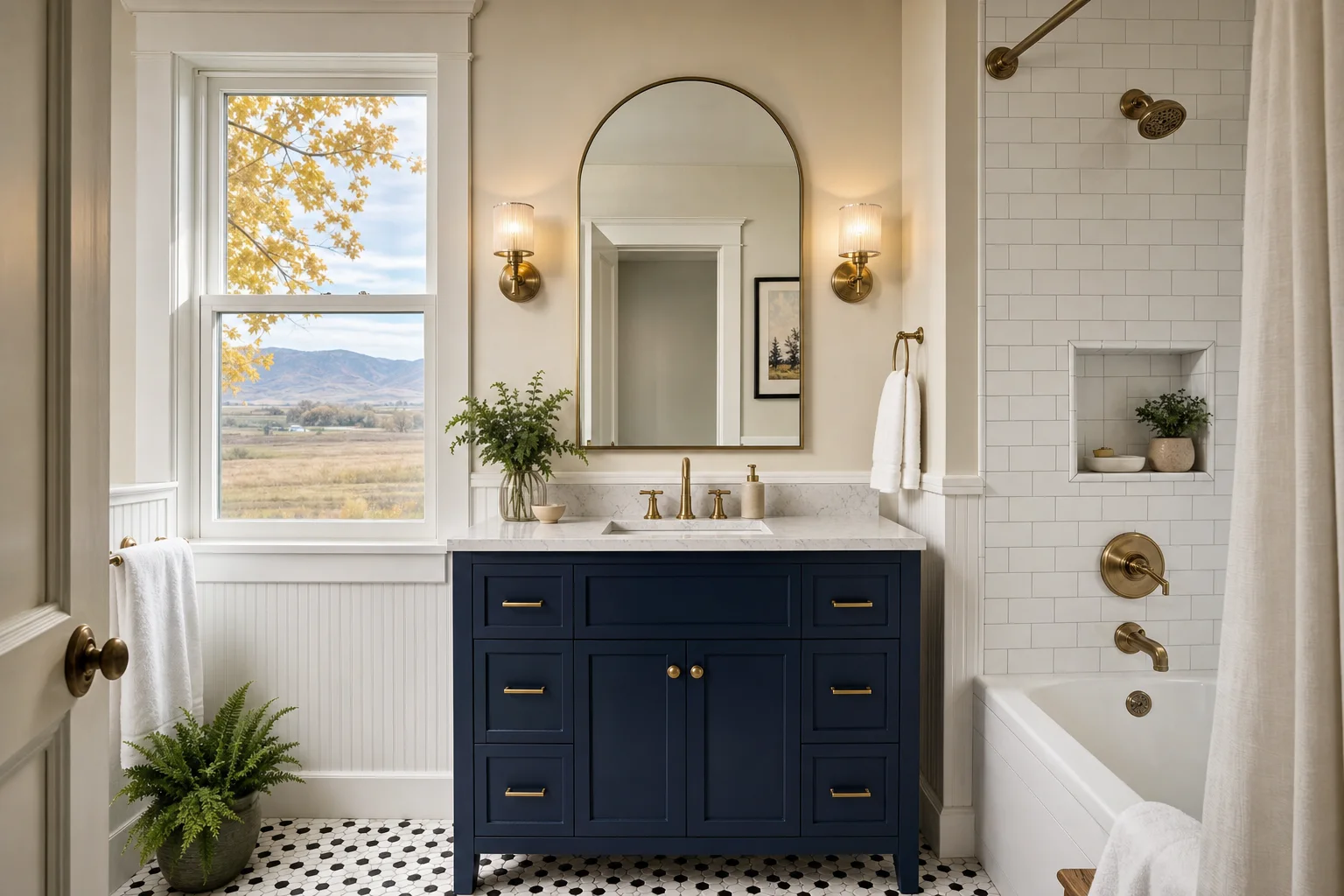
Bathroom remodels built on sound waterproofing and ventilation, with fixtures and finishes that fit who uses the room.
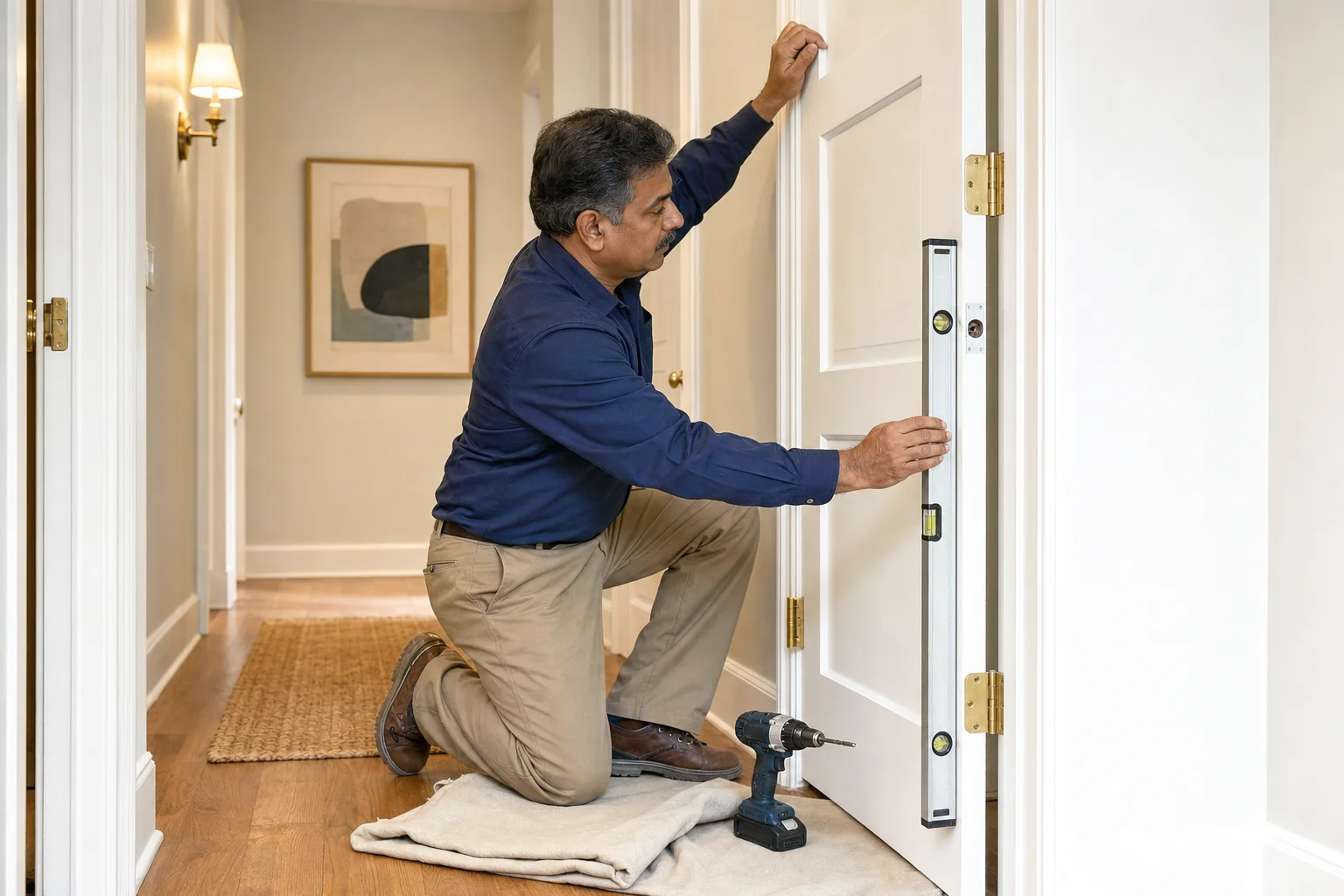
Illustrative image Repairs & Maintenance
Planned repair visits for the small and mid-size problems that build up in a home or building, from sticking doors to rotted trim and loose railings.
Inspiration
Design inspiration for Utah projects
Styles, materials and layouts suited to Utah homes and businesses, to help you picture your own project.
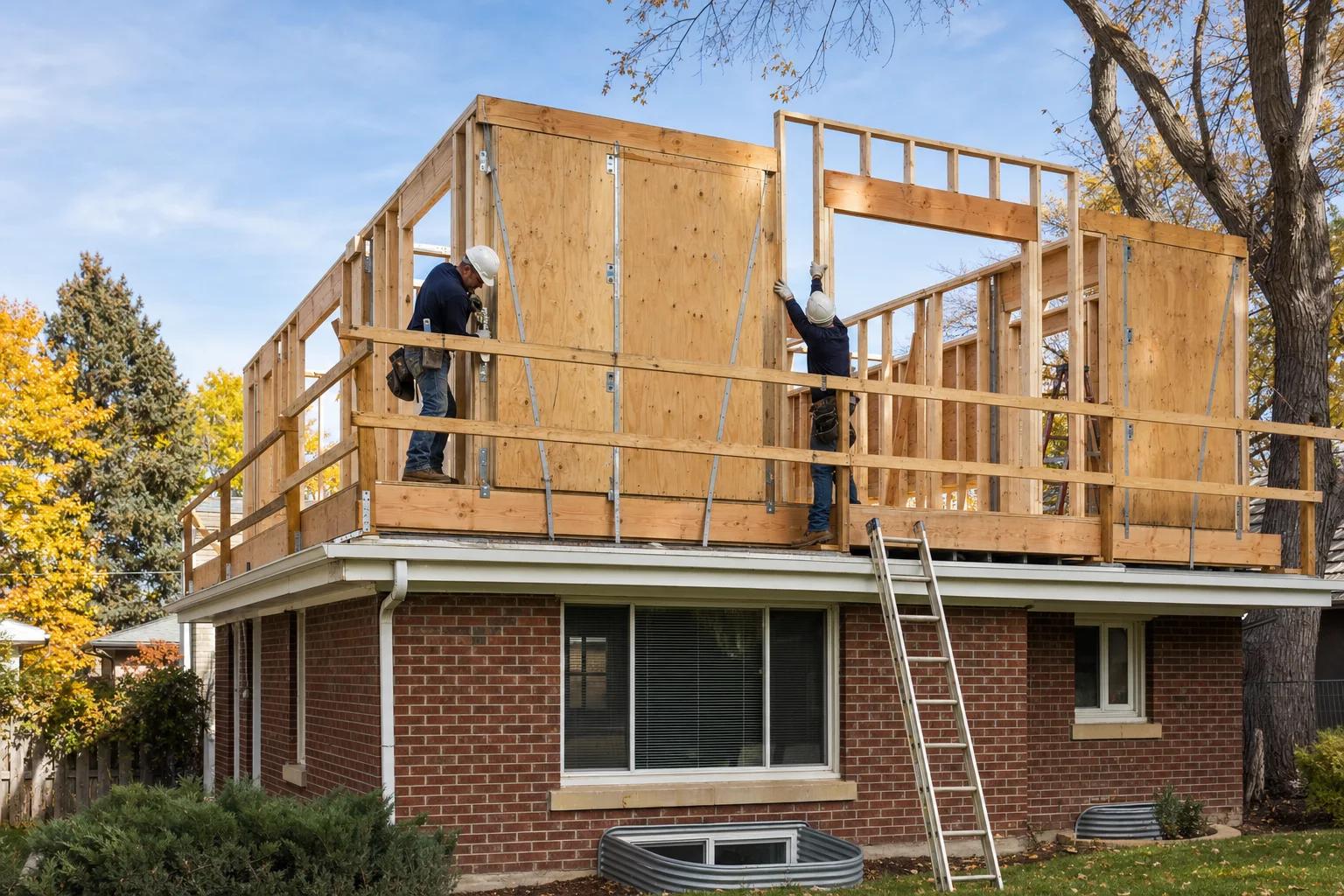
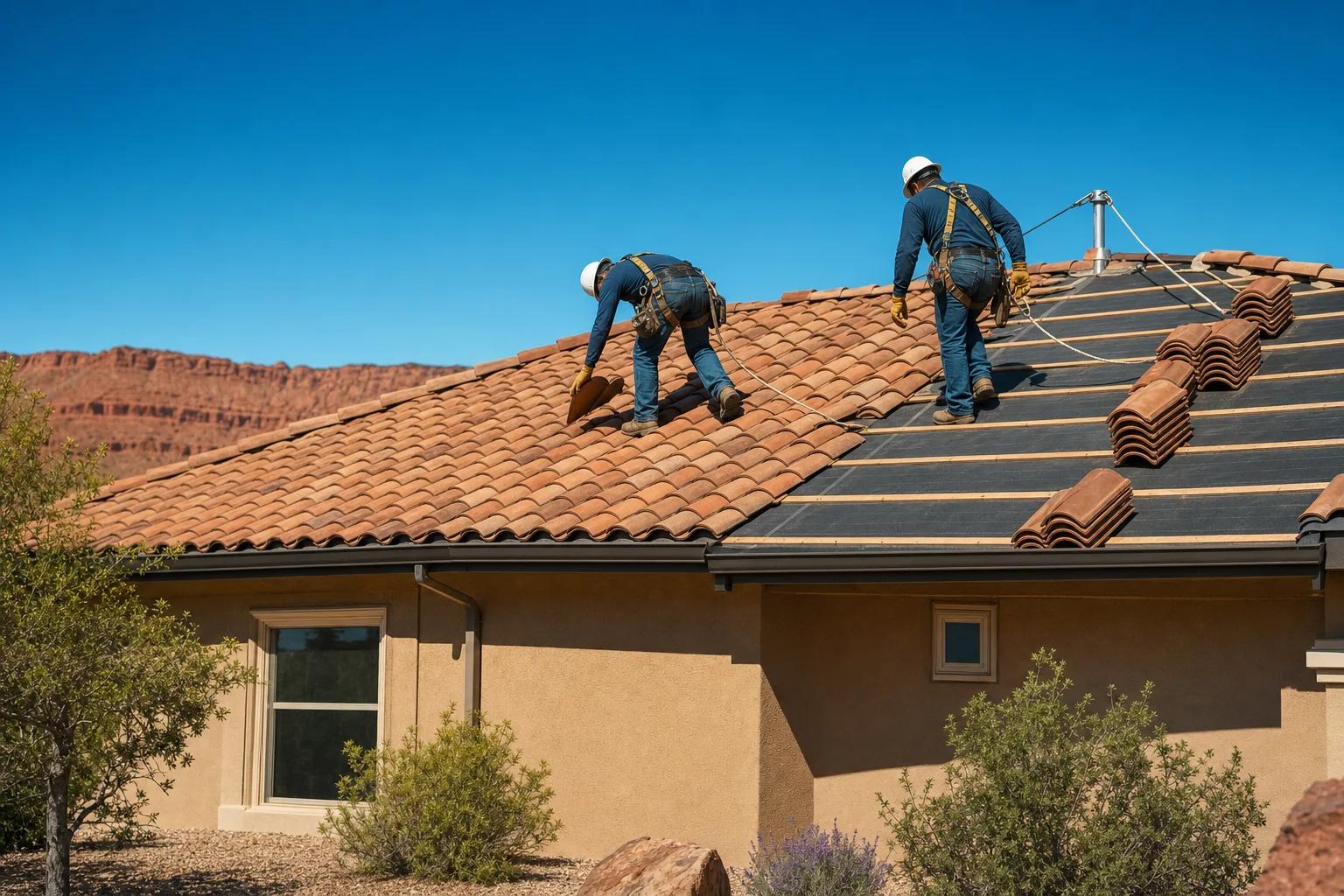
Images are illustrative and created for this website. They are not photographs of completed customer projects.
How it works
Our Simple 4-Step Process
- 1
Consult
Tell us about your project and goals. We review the location, scope and any constraints.
- 2
Plan
We define the scope in writing, confirm selections and identify permits the work may need.
- 3
Build
Work proceeds against the agreed plan, with updates when decisions or changes come up.
- 4
Enjoy
We walk through the finished work with you and hand over care and warranty information.
Questions
Utah Project FAQs
How do I check a Utah contractor's license?
Search the contractor's name or license number in DOPL's Licensee Lookup and Verification System. Utah's Division of Consumer Protection also recommends estimates from more than one contractor, a written agreement with the price estimate, the work and materials, the start and estimated completion dates, cleanup and any warranty, and a receipt for every payment.
Can a handyman do my project without a contractor license?
Utah exempts alteration, repair and remodeling work with a total contracted value under $7,000, counting labor, materials and change orders. Even on those small jobs, work on plumbing or electrical systems, gas appliances, HVAC, water-based fire protection, alarms and radon mitigation must be done by people with the right license or certification. Jobs over $3,000 also require the worker to file an insurance affirmation with the state.
What is Utah's Residence Lien Recovery Fund?
It is part of a Utah law passed so that qualifying homeowners do not have to pay twice when a contractor takes their money but does not pay subcontractors or suppliers. When a homeowner qualifies for protection and a lien is voided, the fund is meant to pay the unpaid party instead. The state warns that available funds are extremely limited or may be unavailable, and that most condominium units do not qualify, so keep a record of every payment.
Does my Utah city have its own building code?
Not in the usual sense. Utah cities and counties follow the State Construction Code, which includes a short list of local amendments written into state law. Apart from a few narrow exceptions, local governments may not adopt stricter rules on subjects the state code covers. Cities do run their own permit portals and checklists, and some add historic-district review or soils reports, so the permit path is confirmed for each address.
Should I test for radon before finishing a basement?
Yes, it is worth doing. Utah DEQ reports that about 1 in 3 Utah homes have elevated radon, and the EPA and the state suggest considering mitigation above 4 picocuries per liter. Testing before walls and flooring go in makes it easier to plan a mitigation system, which in Utah must be installed by a licensed contractor.
What if my home is in an HOA?
Read your association's governing documents and approval rules before ordering materials for exterior work. The Utah Department of Commerce's HOA office offers a homebuyer's guide, a search of registered associations and an ombudsman who provides impartial dispute resolution.
Sources (10)
- Utah State Legislature (Utah Code 58-55-305) · checked 2026-09-24
- Utah Division of Professional Licensing (DOPL) · checked 2026-09-24
- Utah Division of Consumer Protection · checked 2026-09-24
- Utah Division of Professional Licensing (DOPL) · checked 2026-09-24
- Utah State Legislature (Utah Code 15A-1-204) · checked 2026-09-24
- Utah State Legislature (Utah Code 15A-2-103) · checked 2026-09-24
- Utah Department of Environmental Quality, Radon Program · checked 2026-09-24
- Utah Department of Commerce, HOA Ombudsman · checked 2026-09-24
- Salt Lake City Planning Division, Historic Preservation · checked 2026-09-24
- Cedar City Building & Zoning · checked 2026-09-24
Local resources
Planning guides for Utah
Ready to Start Your Utah Project?
Tell us what you are planning and where. We'll confirm availability for your address and follow up to talk through scope and next steps.