
Virginia Construction Pros
Construction & Remodeling Experts in Virginia
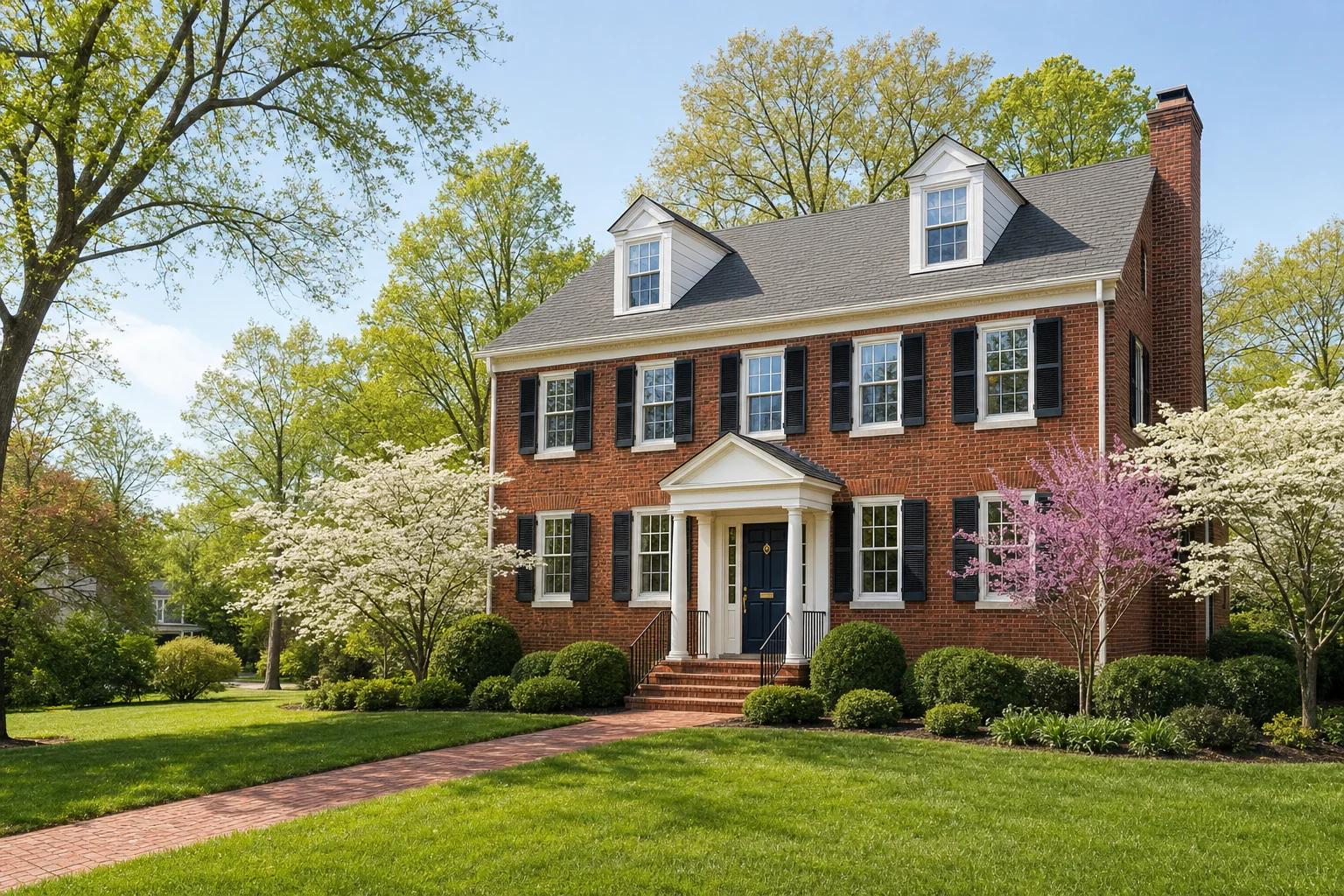
Virginia Construction Pros plans and builds kitchen and bathroom remodels, roofing, repairs, commercial projects and new homes for Virginia homeowners and businesses. Work is planned to the 2021 Uniform Statewide Building Code, in effect since January 18, 2024, and to local conditions such as flood-zone rules and storm exposure in Hampton Roads and historic district review in cities like Richmond and Alexandria. More than 4 in 10 Virginia homes were built before 1980, so many remodels start with what is behind the walls. Service in your area is still being confirmed, so we check your project address before anything is scheduled.
Virginia
Construction Pros
Remodeling, roofing, repairs and new construction planned around Virginia's statewide code, coastal storms and older homes.
Serving communities across Virginia
Service areasBuilding in Virginia
What shapes a project in Virginia
One statewide building code
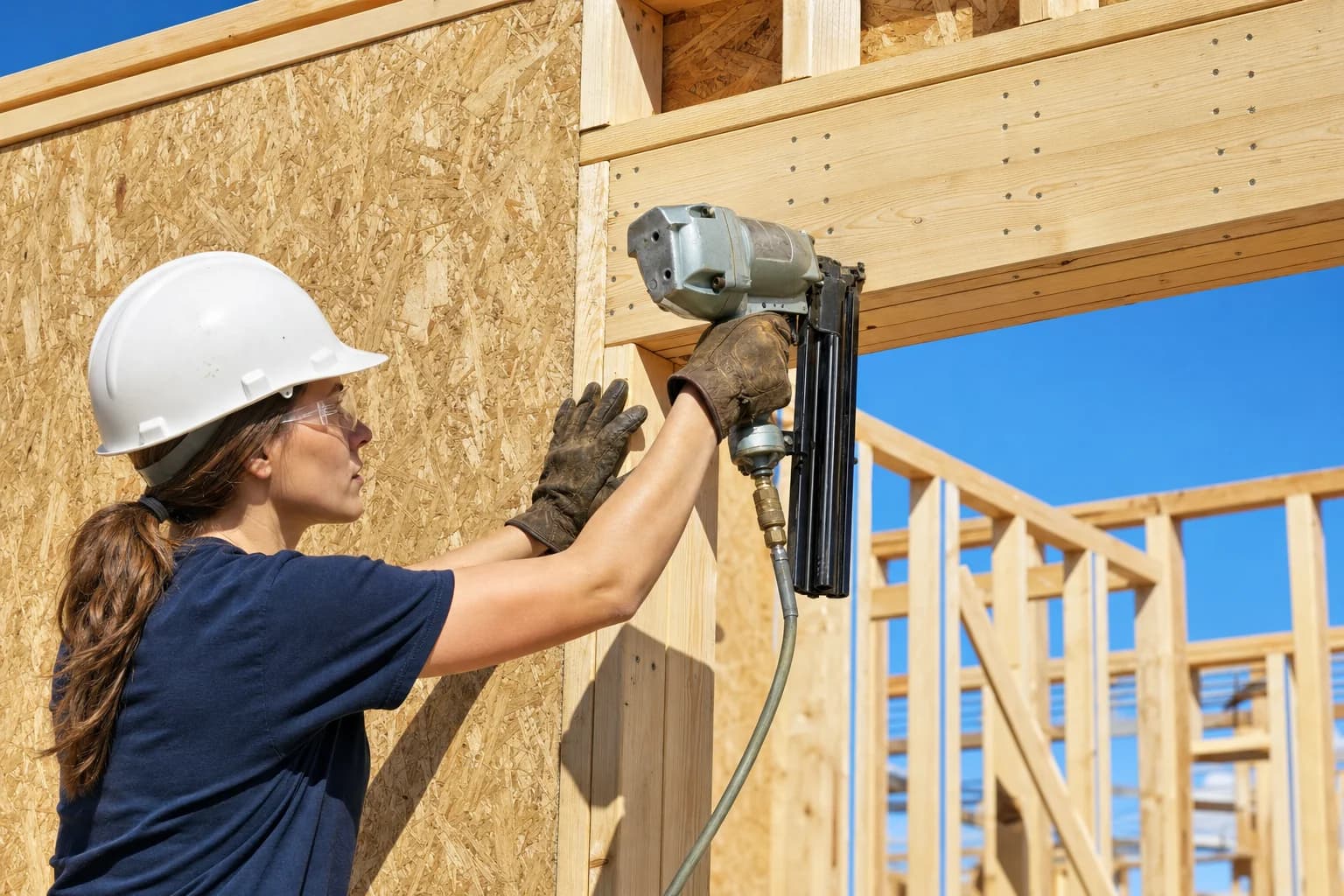
Virginia uses the Uniform Statewide Building Code (USBC). The 2021 edition, based on the 2021 International Codes, took effect on January 18, 2024. State law says the USBC supersedes local building codes, and local building departments enforce it. Localities keep certain rules the USBC does not override, including historic district requirements and floodplain regulations.
Energy code and climate zone 4A
Residential and commercial buildings follow the 2021 IECC with Virginia amendments, effective January 18, 2024, and commercial work may also use ASHRAE 90.1-2019. A 2015 U.S. Department of Energy county guide places every Virginia county and independent city in IECC climate zone 4A, a mixed-humid climate. Insulation, windows and air sealing are planned to that zone, and the zone for your address is confirmed during design.
Tropical storms and flood zones
When Hurricane Floyd hit Virginia in September 1999, up to 17 inches of rain fell in Hampton Roads, almost 300,000 people statewide lost power, and river flooding put up to 12 feet of water into Franklin and Zuni. In flood zones, local floodplain rules apply on top of the building code. In Norfolk's floodplain, for example, work that reaches 50 percent of a building's market value means the building must come into full compliance with current regulations.
Earthquakes and sinkholes
Virginia Energy reports that the largest recorded earthquake in Virginia, magnitude 5.8, struck Louisa County on August 23, 2011. The Central Virginia Seismic Zone includes Richmond and Charlottesville. In the Valley and Ridge region to the west, limestone and dolomite form karst terrain where sinkholes can damage buildings, pipelines and storm drains, so site conditions deserve a close look there.
Older homes and lead paint
Census estimates for 2020 to 2024 show that more than 4 in 10 Virginia homes were built before 1980. About 61 percent are single-family detached houses and about 11 percent are attached homes such as townhouses. For homes built before 1978, federal rules require anyone paid to disturb painted surfaces to be EPA-certified and to use lead-safe work practices.
Sources (12)
- Virginia Department of Housing and Community Development · checked 2026-09-24
- Code of Virginia, Virginia General Assembly · checked 2026-09-24
- Code of Virginia, Virginia General Assembly · checked 2026-09-24
- U.S. Department of Energy Building Energy Codes Program · checked 2026-09-24
- U.S. Department of Energy, Building America (Guide to Determining Climate Regions by County, 2015) · checked 2026-09-24
- Virginia Department of Energy, Geology and Mineral Resources · checked 2026-09-24
- Virginia Department of Energy, Geology and Mineral Resources · checked 2026-09-24
- NOAA Weather Prediction Center (Virginia Hurricane History, Roth and Cobb) · checked 2026-09-24
- U.S. Environmental Protection Agency · checked 2026-09-24
- U.S. Census Bureau, American Community Survey 2020-2024 5-year, table B25034 (via Census Reporter) · checked 2026-09-24
- U.S. Census Bureau, American Community Survey 2020-2024 5-year, table B25024 (via Census Reporter) · checked 2026-09-24
- City of Norfolk (Substantial Improvement in the Floodplain brochure) · checked 2026-09-24
Licensing & permits
Verify any contractor in Virginia
Contractor licensing
Virginia Board for Contractors, Department of Professional and Occupational Regulation (DPOR)
Virginia licenses contractors statewide through the Board for Contractors at DPOR. The Board licenses businesses that build, remove, repair or improve structures on property owned by others, and the license class sets the size of jobs a firm may take. Under state law, Class C covers single contracts over $1,000 and under $30,000, Class B covers single contracts from $30,000 to under $150,000, and Class A covers single contracts of $150,000 or more, with separate 12-month volume limits for each class. Tradesmen such as electricians and plumbers are licensed separately. Before hiring anyone, look up the firm and its license class in DPOR's public License Lookup.
Check a contractor’s status (opens the official Virginia site in a new tab)Building permits
Permits in Virginia
Building permits in Virginia are issued by the local building department of each city or county, which enforces the Uniform Statewide Building Code and may charge fees for that work. The technical code is statewide, but each locality runs its own application process, and local historic district and floodplain rules still apply. Richmond, for example, requires a building permit before new construction or alterations, with separate electrical, mechanical and plumbing permits. The Department of Housing and Community Development publishes a directory of local building officials. Virginia Construction Pros confirms what your project needs with the local building department during planning, before work is scheduled.
Sources (7)
- Code of Virginia, Virginia General Assembly · checked 2026-09-24
- Code of Virginia, Virginia General Assembly · checked 2026-09-24
- Virginia Department of Housing and Community Development · checked 2026-09-24
- Virginia Department of Professional and Occupational Regulation, Board for Contractors · checked 2026-09-24
- Code of Virginia, Virginia General Assembly · checked 2026-09-24
- Virginia Department of Professional and Occupational Regulation · checked 2026-09-24
- City of Richmond Department of Planning and Development Review, Bureau of Permits and Inspections · checked 2026-09-24
Our services
Construction & Remodeling Services in Virginia
Illustrative image Kitchen Remodeling
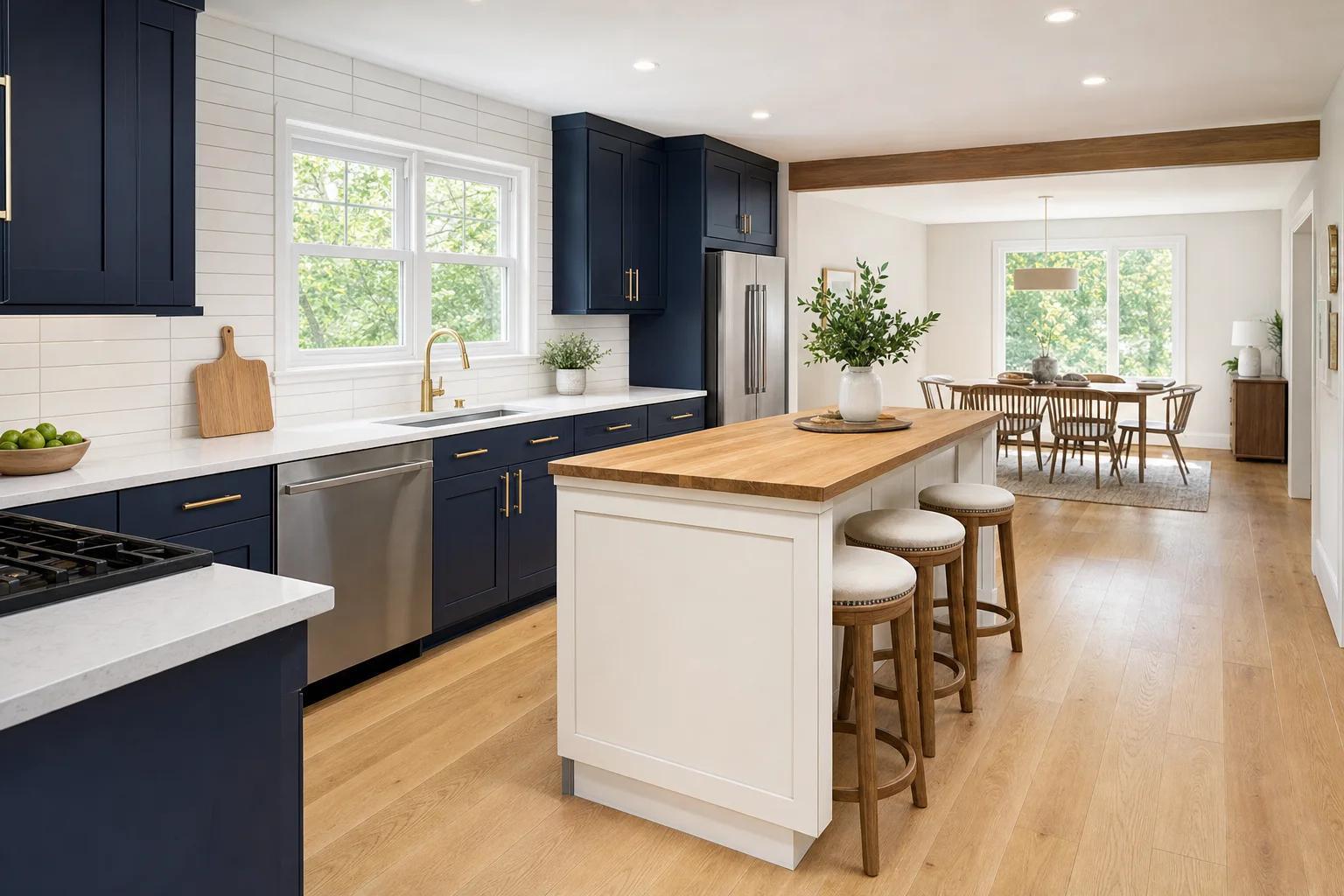
Kitchen remodels that update the layout, cabinets, counters, lighting and finishes, planned around how you cook and use the room.

Illustrative image Bathroom Remodeling
Bathroom remodels built on sound waterproofing and ventilation, with fixtures and finishes that fit who uses the room.

Illustrative image Repairs & Maintenance
Planned repair visits for the small and mid-size problems that build up in a home or building, from sticking doors to rotted trim and loose railings.
Inspiration
Design inspiration for Virginia projects
Styles, materials and layouts suited to Virginia homes and businesses, to help you picture your own project.
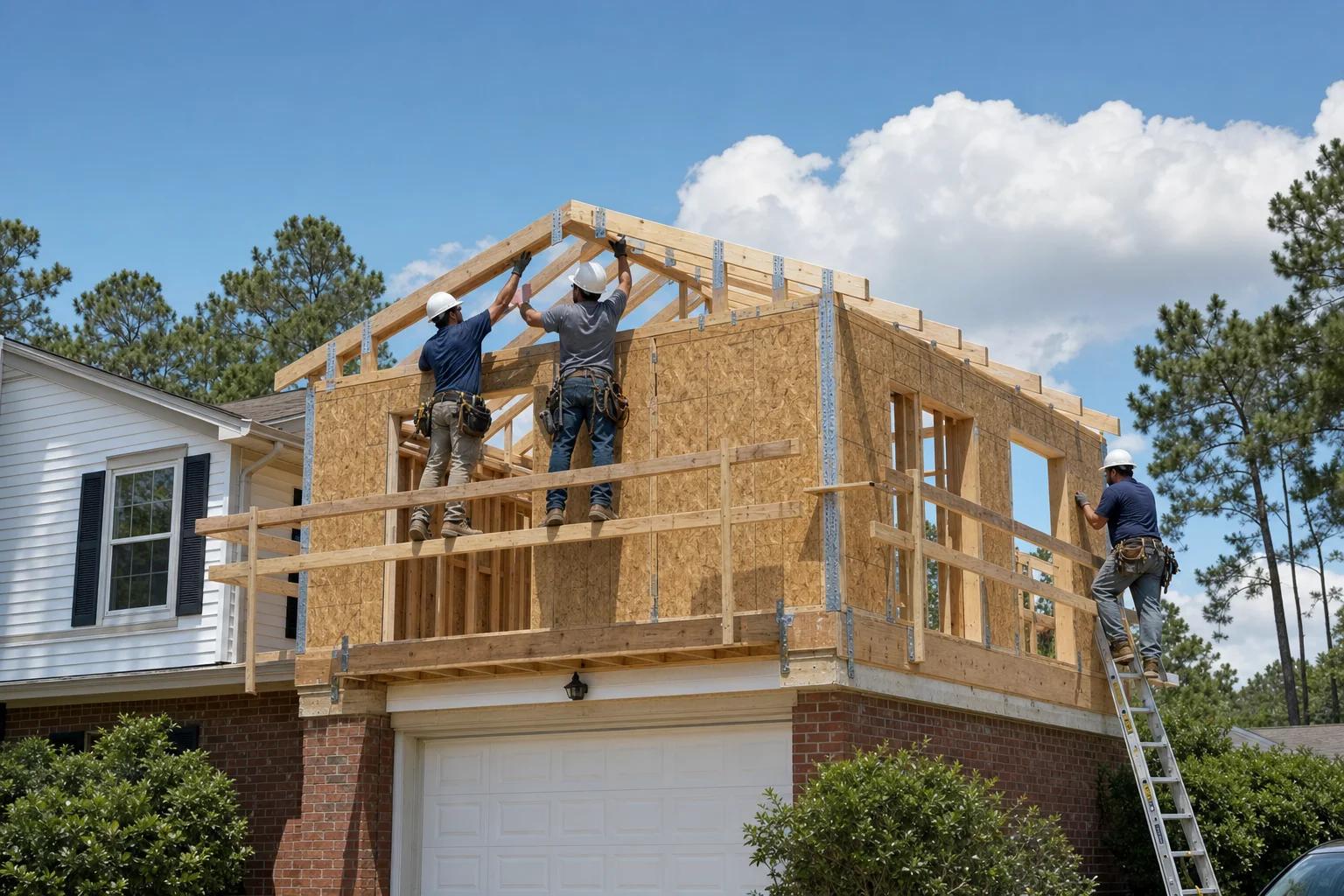
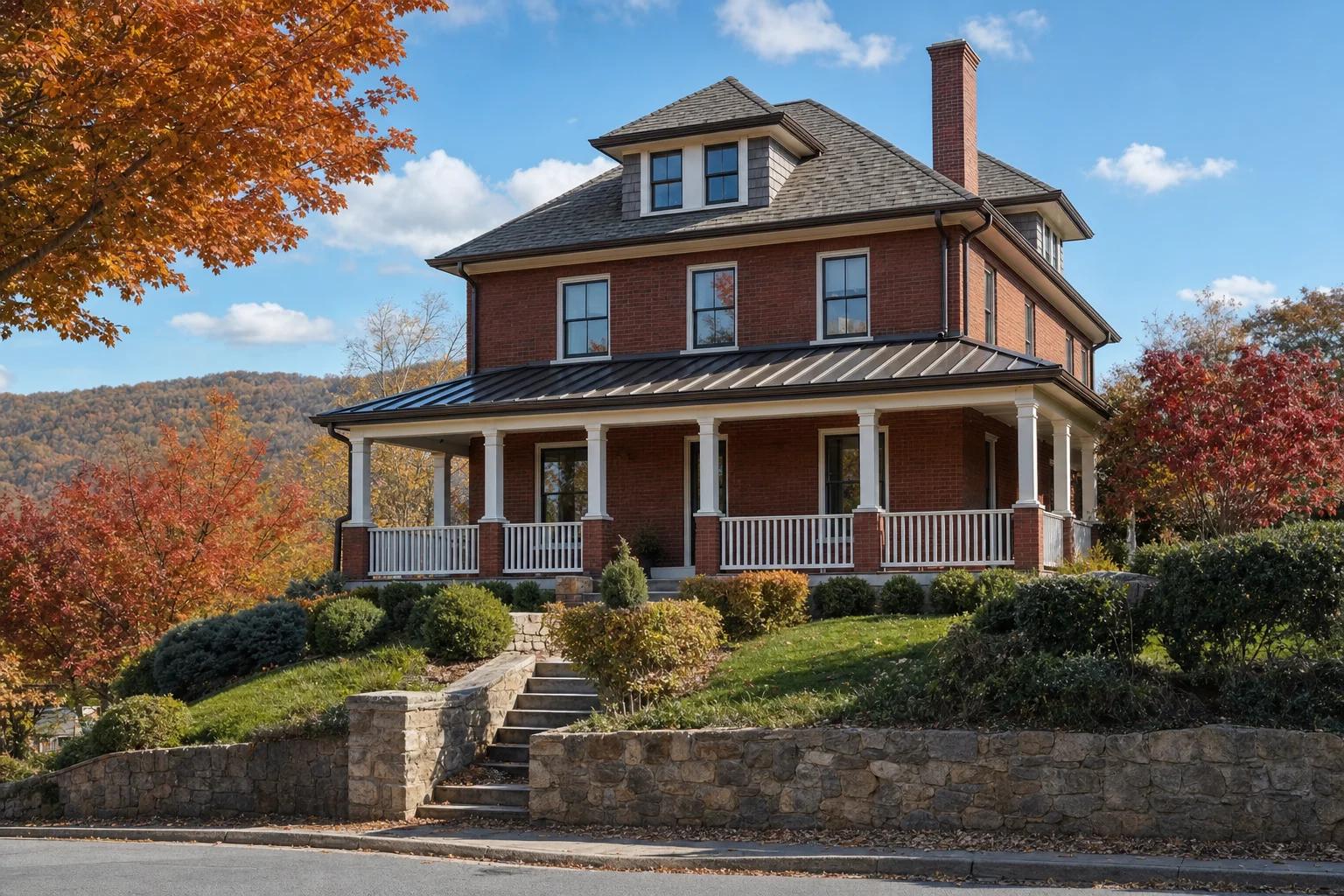
Images are illustrative and created for this website. They are not photographs of completed customer projects.
How it works
Our Simple 4-Step Process
- 1
Consult
Tell us about your project and goals. We review the location, scope and any constraints.
- 2
Plan
We define the scope in writing, confirm selections and identify permits the work may need.
- 3
Build
Work proceeds against the agreed plan, with updates when decisions or changes come up.
- 4
Enjoy
We walk through the finished work with you and hand over care and warranty information.
Questions
Virginia Project FAQs
Do I need a building permit for my project in Virginia?
It depends on the scope and the locality. Norfolk requires a building permit for any repair, addition or new construction that needs new framing or exposes existing framing. Lynchburg lists new buildings, decks, additions, renovations, heating and air conditioning replacement, and plumbing and electrical fixtures. Permit needs for your project are confirmed with your local building department during planning.
How do I check a Virginia contractor's license?
Use DPOR's License Lookup to confirm the business holds an active Board for Contractors license. Check the class too. State law limits Class C firms to single contracts under $30,000 and Class B firms to single contracts under $150,000, and larger jobs need a Class A license. Ask for the license number and look it up yourself.
Which building code applies to my remodel or new home?
The 2021 Virginia Uniform Statewide Building Code applies across the state and has been in effect since January 18, 2024. Your local building department enforces it. Energy requirements follow the 2021 IECC with Virginia amendments, and the Department of Energy's county guide places all of Virginia in climate zone 4A.
My home is in a local historic district. What changes?
The statewide code does not override local historic district rules, so plan time for design approval before exterior work starts. Richmond's Commission of Architectural Review reviews all exterior changes to buildings in the city's Old and Historic Districts. Alexandria requires a Certificate of Appropriateness for exterior alterations visible from a public right of way. Charlottesville requires design review for exterior changes, additions and demolitions in its districts.
Does my homeowners association need to approve the work?
It may. Virginia's Property Owners' Association Act lets an association's board adopt and enforce rules for common areas and for other matters the declaration assigns to the association. Read your declaration and rules, and get any required association approval in writing before exterior work is scheduled.
What should I know if my home was built before 1978?
Federal rules require anyone paid to disturb painted surfaces in a pre-1978 home to be an EPA-certified firm using lead-safe work practices. More than 4 in 10 Virginia homes were built before 1980, so check your home's build year early. It affects demolition methods, dust control and the schedule.
Sources (16)
- Virginia Department of Housing and Community Development · checked 2026-09-24
- Code of Virginia, Virginia General Assembly · checked 2026-09-24
- Code of Virginia, Virginia General Assembly · checked 2026-09-24
- U.S. Department of Energy Building Energy Codes Program · checked 2026-09-24
- U.S. Department of Energy, Building America (Guide to Determining Climate Regions by County, 2015) · checked 2026-09-24
- Virginia Department of Professional and Occupational Regulation, Board for Contractors · checked 2026-09-24
- Code of Virginia, Virginia General Assembly · checked 2026-09-24
- Virginia Department of Professional and Occupational Regulation · checked 2026-09-24
- Code of Virginia, Virginia General Assembly · checked 2026-09-24
- U.S. Environmental Protection Agency · checked 2026-09-24
- U.S. Census Bureau, American Community Survey 2020-2024 5-year, table B25034 (via Census Reporter) · checked 2026-09-24
- City of Richmond Commission of Architectural Review · checked 2026-09-24
- City of Norfolk Department of City Planning · checked 2026-09-24
- City of Alexandria Department of Planning & Zoning, Historic Preservation · checked 2026-09-24
- City of Charlottesville Historic Preservation and Design Review · checked 2026-09-24
- City of Lynchburg Community Development, Inspections Division · checked 2026-09-24
Local resources
Planning guides for Virginia
Ready to Start Your Virginia Project?
Tell us what you are planning and where. We'll confirm availability for your address and follow up to talk through scope and next steps.