Wisconsin Construction Pros
Construction & Remodeling Experts in Wisconsin
Wisconsin Construction Pros plans and builds kitchen and bathroom remodels, roofing, repairs, commercial projects and new homes for Wisconsin homeowners and businesses. Work here is shaped by a single statewide dwelling code, footings set at least 48 inches below grade, code-required roof snow loads, and a housing stock where more than half of homes were built before 1980. Service areas are still being confirmed, so every project starts with your address and a planning conversation.
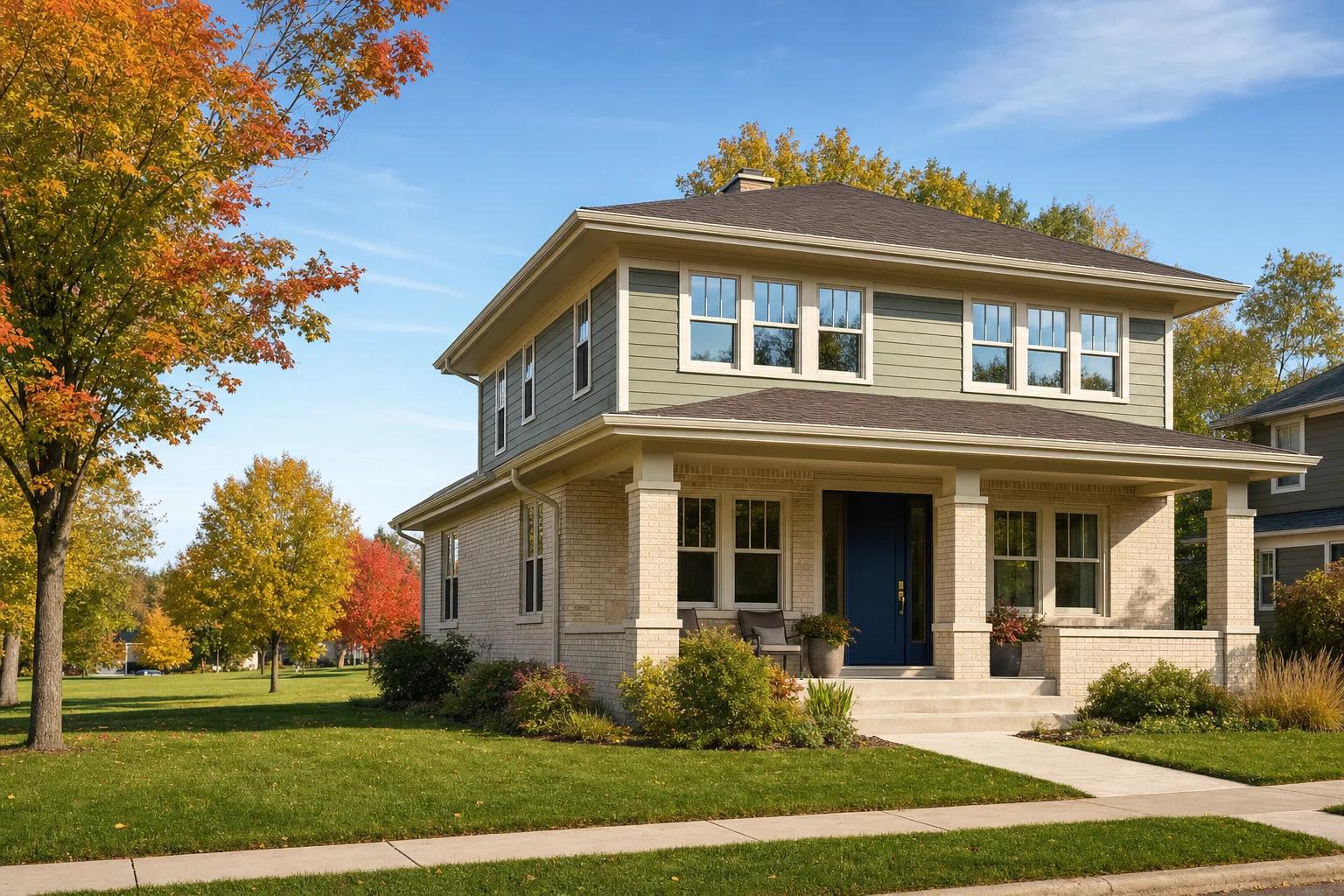
Wisconsin
Construction Pros
Remodeling, roofing, repairs and new construction planned around Wisconsin's cold-climate codes and older housing.
Serving communities across Wisconsin
Service areasBuilding in Wisconsin
What shapes a project in Wisconsin

One dwelling code, local permit rules
One- and two-family homes built since June 1, 1980 fall under the Wisconsin Uniform Dwelling Code (UDC), chapters SPS 320 to 325, which DSPS calls the statewide building code for these homes. Municipalities that enforce the UDC must adopt it in its entirety and may not add requirements within its scope without state approval. The UDC does not cover alterations to homes built before June 1, 1980, unless a municipality adopts it for them, and it does not cover repairs or maintenance. Municipalities may set their own permit rules by ordinance for that work.
Commercial code moved to the 2021 ICC codes
Buildings with three or more dwelling units and other commercial buildings fall under the Wisconsin Commercial Building Code (SPS 361 to 366), not the UDC. DSPS adopted the 2021 ICC codes effective September 1, 2025, and plans submitted on or after November 1, 2025 must comply. Plan review is done by DSPS or, for certain buildings, by a delegated local municipality.
Frost depth, frozen ground and snow loads
Footings and foundations, including those for stoops and landings, must sit below the frost penetration level or at least 48 inches below adjacent grade, whichever is deeper. Limited exceptions apply, such as a frost-protected shallow foundation designed to the ASCE 32 standard. Footings may not be placed on frozen material. Roofs must be built to carry minimum snow loads taken from the code's statewide zone map.
Two state energy zones, plus radon
The UDC energy chapter (SPS 322) puts 15 northern counties, including Ashland, Bayfield, Douglas, Oneida and Vilas, in zone 2 and all other counties in zone 1, each with its own insulation and window tables. New homes must show air tightness by a blower door test under seven air changes per hour at 50 pascals or by a visual inspection option. Separately, DHS reports that about 1 in 10 Wisconsin homes has high radon levels and recommends testing every home.
An older housing stock
American Community Survey 2020 to 2024 estimates show about 57% of Wisconsin housing units were built before 1980 and about 18% before 1940. About two-thirds of units are single-family detached homes. Wisconsin's Lead-Safe Renovation Rule applies to paid work on homes and child-occupied facilities built before 1978, which touches many remodeling and repair projects.
Sources (9)
- Wisconsin Department of Safety and Professional Services · checked 2026-09-24
- Wisconsin Legislative Reference Bureau (Wis. Admin. Code ch. SPS 320) · checked 2026-09-24
- Wisconsin Legislative Reference Bureau (Wis. Admin. Code ch. SPS 321) · checked 2026-09-24
- Wisconsin Legislative Reference Bureau (Wis. Admin. Code ch. SPS 322) · checked 2026-09-24
- Wisconsin Department of Safety and Professional Services · checked 2026-09-24
- Wisconsin Department of Health Services · checked 2026-09-24
- Wisconsin Department of Health Services · checked 2026-09-24
- U.S. Census Bureau, American Community Survey 2020-2024 5-year estimates, table B25034 (via Census Reporter API) · checked 2026-09-24
- U.S. Census Bureau, American Community Survey 2020-2024 5-year estimates, table B25024 (via Census Reporter API) · checked 2026-09-24
Licensing & permits
Verify any contractor in Wisconsin
Contractor licensing
Wisconsin Department of Safety and Professional Services (DSPS)
With limited exceptions, anyone other than an owner who lives or will live in the home who applies for a Wisconsin uniform building permit on a one- or two-family dwelling must hold a DSPS Dwelling Contractor certification (or a restricted or financial-responsibility version) and must hold or employ a certified Dwelling Contractor Qualifier. Trades are credentialed separately. A business that installs, repairs or maintains electrical wiring needs a DSPS Electrical Contractor license, with limited exceptions, and must use licensed or registered electricians. The uniform building permit also names the Wisconsin master plumber responsible for the plumbing. Paid renovation in homes built before 1978 must also follow the DHS Lead-Safe Renovation Rule. Before signing, check any contractor's DSPS credentials in the state's LicensE license lookup.
Check a contractor’s status (opens the official Wisconsin site in a new tab)Building permits
Permits in Wisconsin
The Wisconsin uniform building permit for a new one- or two-family home comes from the municipality that enforces the Uniform Dwelling Code, or from a state-registered UDC inspection agency where the state has jurisdiction, and a certified UDC inspector must review the application. For additions, alterations and repairs, permit applications are filed under local ordinances, so rules differ by place. Madison and Oshkosh list roofing and siding as work that needs a permit, and La Crosse issues permits for re-roofing and re-siding. Commercial projects follow the Wisconsin Commercial Building Code, with plan review by DSPS or a delegated municipality. The permits your address needs are confirmed during planning, before work is scheduled.
Sources (9)
- Wisconsin Legislative Reference Bureau (Wis. Admin. Code ch. SPS 320) · checked 2026-09-24
- Wisconsin Department of Safety and Professional Services · checked 2026-09-24
- Wisconsin Department of Safety and Professional Services · checked 2026-09-24
- Wisconsin Department of Safety and Professional Services · checked 2026-09-24
- Wisconsin Department of Safety and Professional Services · checked 2026-09-24
- Wisconsin Department of Health Services · checked 2026-09-24
- City of Madison Development Services Center · checked 2026-09-24
- City of Oshkosh Inspection Services Division · checked 2026-09-24
- City of La Crosse Building & Inspections · checked 2026-09-24
Our services
Construction & Remodeling Services in Wisconsin
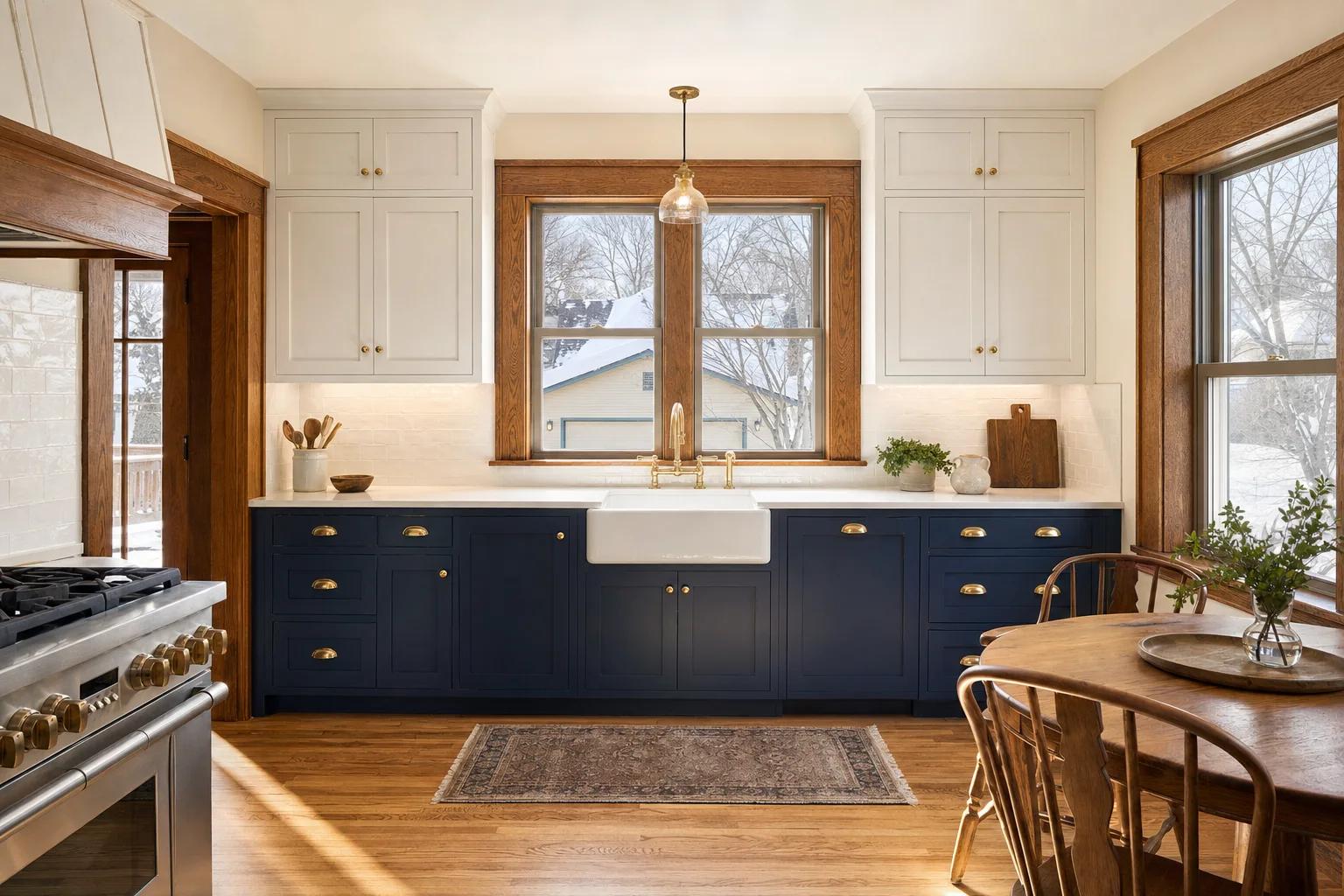
Illustrative image Kitchen Remodeling
Kitchen remodels that update the layout, cabinets, counters, lighting and finishes, planned around how you cook and use the room.
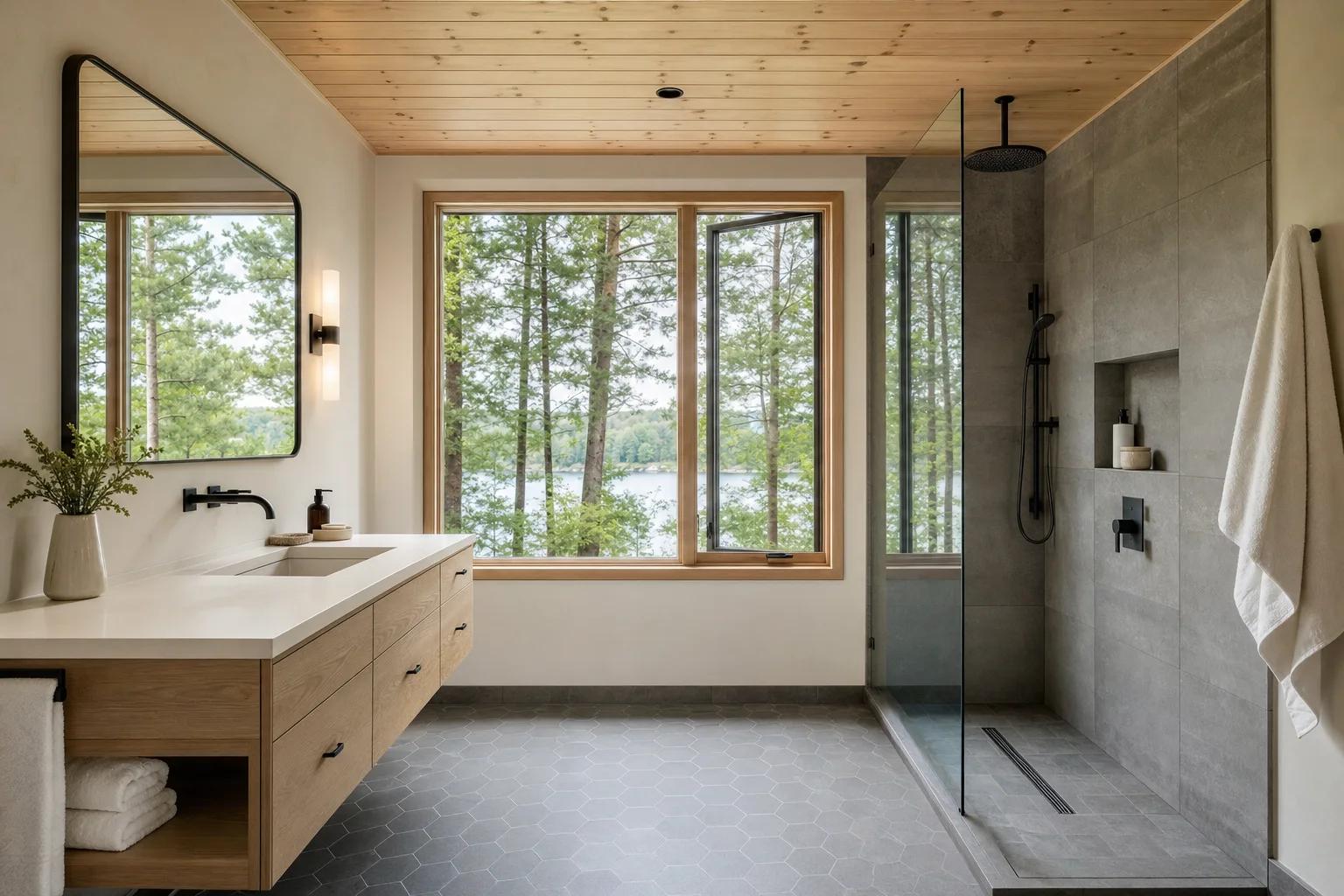
Illustrative image Bathroom Remodeling
Bathroom remodels built on sound waterproofing and ventilation, with fixtures and finishes that fit who uses the room.
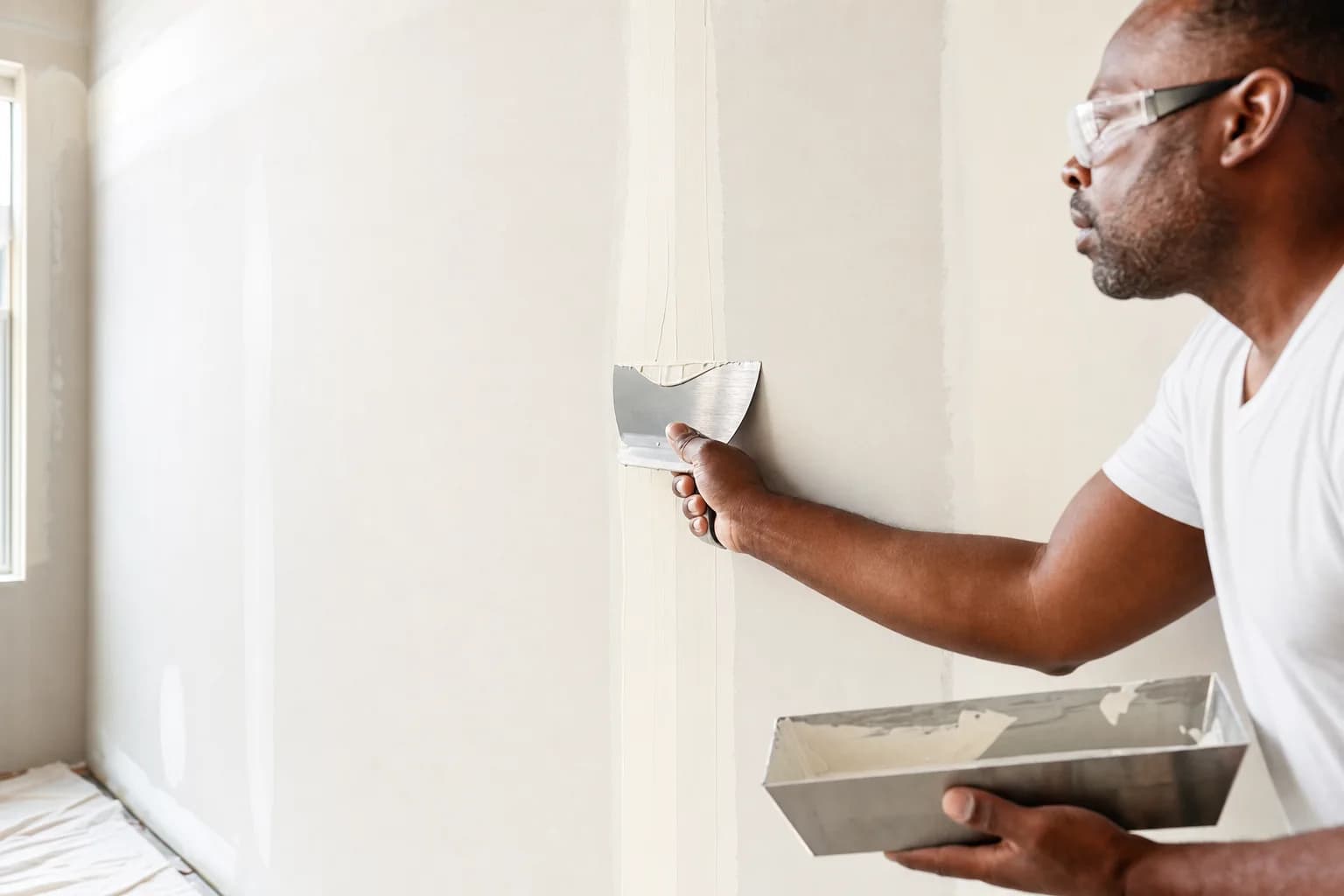
Illustrative image Repairs & Maintenance
Planned repair visits for the small and mid-size problems that build up in a home or building, from sticking doors to rotted trim and loose railings.
Inspiration
Design inspiration for Wisconsin projects
Styles, materials and layouts suited to Wisconsin homes and businesses, to help you picture your own project.
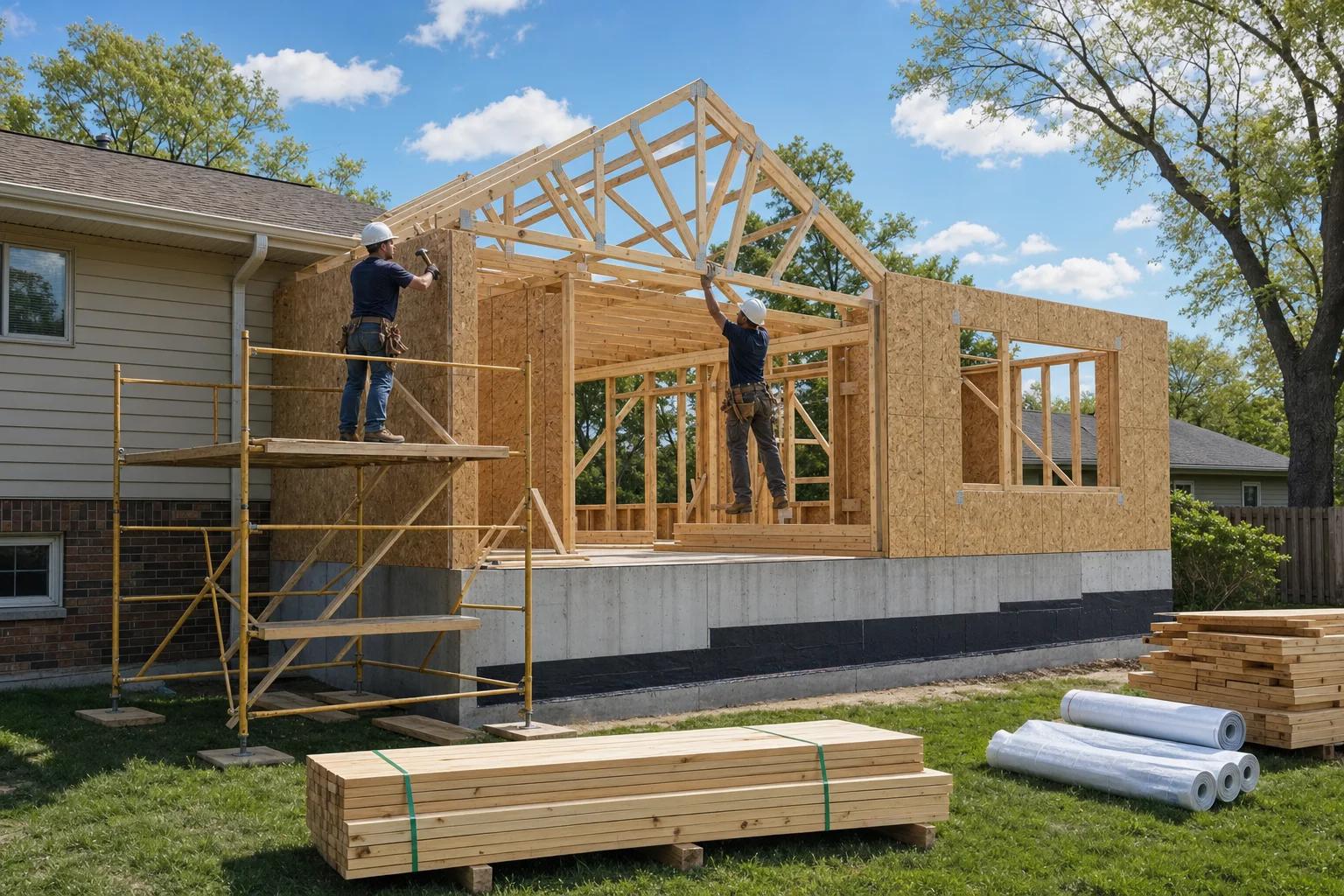
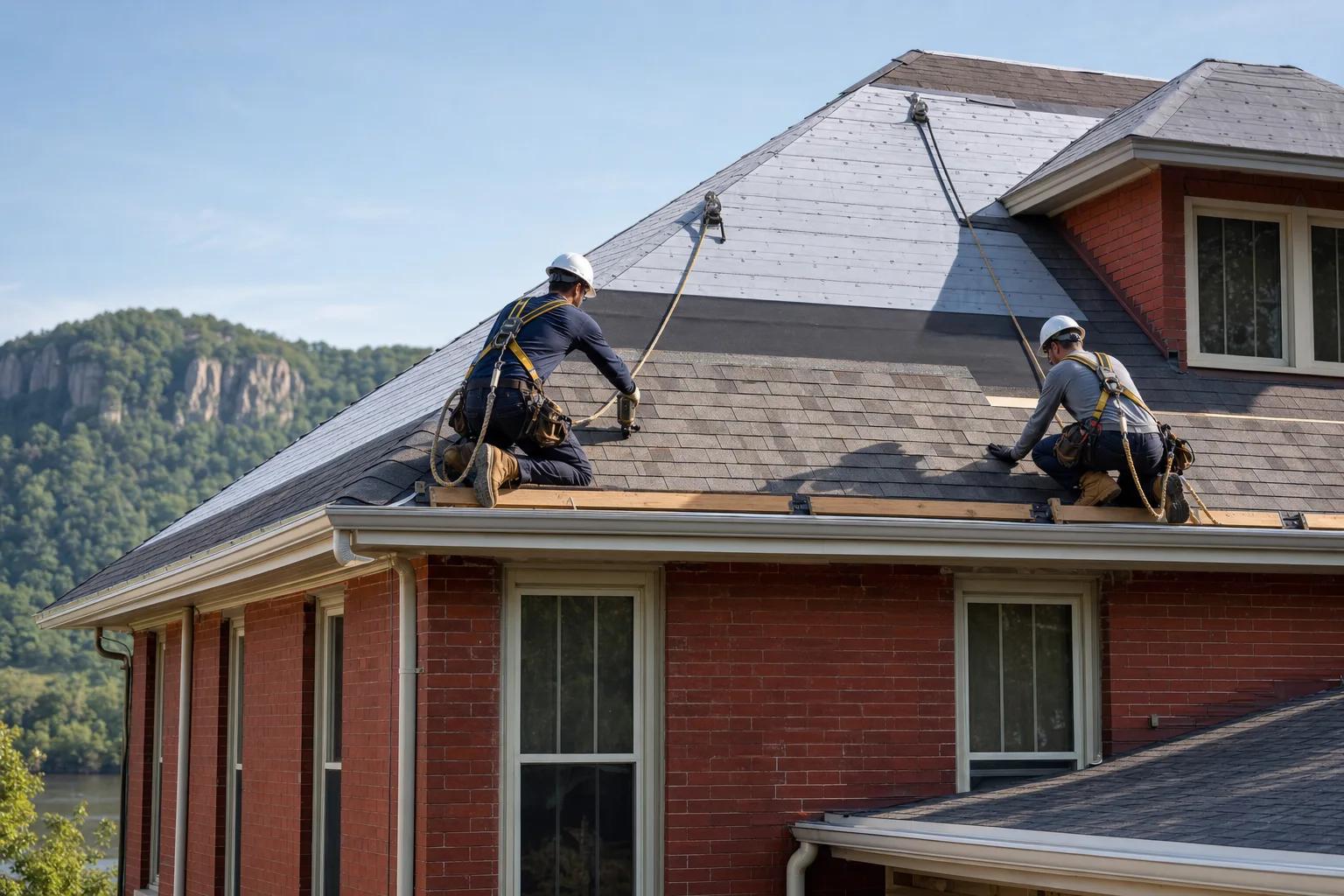
Images are illustrative and created for this website. They are not photographs of completed customer projects.
How it works
Our Simple 4-Step Process
- 1
Consult
Tell us about your project and goals. We review the location, scope and any constraints.
- 2
Plan
We define the scope in writing, confirm selections and identify permits the work may need.
- 3
Build
Work proceeds against the agreed plan, with updates when decisions or changes come up.
- 4
Enjoy
We walk through the finished work with you and hand over care and warranty information.
Questions
Wisconsin Project FAQs
Do I need a permit to remodel a kitchen or bathroom in Wisconsin?
It depends on the municipality. The state dwelling code does not cover alterations to homes built before June 1, 1980, unless the municipality adopts it for them, and municipalities may require permits for other remodeling work by ordinance. Madison, for example, lists kitchen and bathroom alterations, plumbing, electrical and HVAC work as needing permits. Permits for your address are confirmed during planning.
How do I check a contractor's credentials in Wisconsin?
Use the DSPS LicensE license lookup, which covers business and trades credentials. To obtain a Wisconsin uniform building permit for a one- or two-family home, anyone other than the owner-occupant generally needs a Dwelling Contractor certification and a certified Dwelling Contractor Qualifier. Licensed electrical contractors must put their license number on bids and contracts.
What should a Wisconsin home improvement contract include?
Under the state home improvement rule (ATCP 110), a written contract is required if any payment is due before the work is done. DATCP says it should list the salesperson's and company's names and addresses, a full job description, materials with brand, size and quantity, the total price and finance charges, start and completion dates, and any warranties. The contractor must also give you a notice of your right to receive lien waivers before the contract is signed.
Can foundation and exterior work be done in a Wisconsin winter?
Some of it can, with planning. The dwelling code bars placing footings on frozen material and requires footings below frost depth or at least 48 inches below grade. That makes excavation and concrete work in cold months slower and weather-dependent, so foundations, additions and decks are usually scheduled with frozen ground in mind.
Should I test for radon or plan for lead-safe work before remodeling?
DHS reports that about 1 in 10 Wisconsin homes has high radon and that testing is the only way to know, so it recommends testing every home. If your home was built before 1978, paid renovation that disturbs painted surfaces must follow Wisconsin's Lead-Safe Renovation Rule, which affects how demolition and cleanup are done.
What if my home is in an HOA or a historic district?
Check both before the design is final. HOA covenants are private rules that can limit exterior materials, colors and additions, so read them and get any approval they require. In cities with local historic districts, exterior changes can need separate review; in Madison, the Landmarks Commission reviews changes to the exterior appearance of designated landmarks and buildings in historic districts.
Sources (10)
- Wisconsin Legislative Reference Bureau (Wis. Admin. Code ch. SPS 320) · checked 2026-09-24
- Wisconsin Legislative Reference Bureau (Wis. Admin. Code ch. SPS 321) · checked 2026-09-24
- Wisconsin Department of Safety and Professional Services · checked 2026-09-24
- Wisconsin Department of Safety and Professional Services · checked 2026-09-24
- Wisconsin Department of Safety and Professional Services · checked 2026-09-24
- Wisconsin Department of Agriculture, Trade and Consumer Protection · checked 2026-09-24
- Wisconsin Department of Health Services · checked 2026-09-24
- Wisconsin Department of Health Services · checked 2026-09-24
- City of Madison Development Services Center · checked 2026-09-24
- City of Madison Development Services Center / Landmarks Commission · checked 2026-09-24
Local resources
Planning guides for Wisconsin
Ready to Start Your Wisconsin Project?
Tell us what you are planning and where. We'll confirm availability for your address and follow up to talk through scope and next steps.