
Arizona Construction Pros
Construction & Remodeling Experts in Arizona
Arizona Construction Pros plans and builds kitchen and bathroom remodels, roofing, repairs, commercial projects and new homes for Arizona homeowners and businesses. Work here is shaped by building codes that each city and county adopts on its own, extreme summer heat, monsoon wind and flash floods, wildfire and snow in the high country, and soils that shift. Each project starts by confirming the permit path, the contractor license class that applies and any homeowner association or historic review at your address. Service areas in Arizona are still being confirmed, so availability is checked before anything is scheduled.
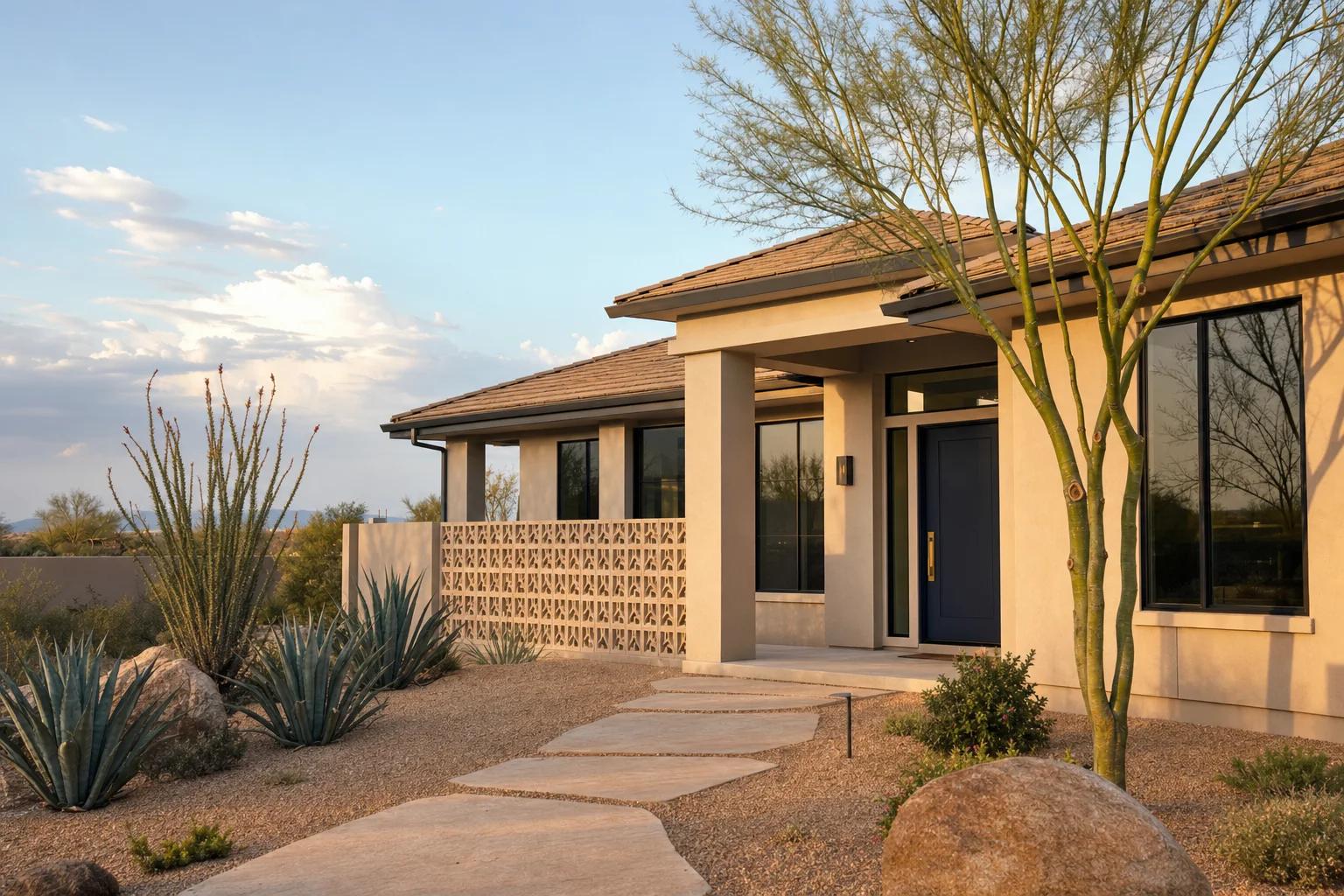
Arizona
Construction Pros
Remodeling, roofing, repairs and new construction planned around Arizona city codes, desert heat, monsoon storms and shifting soils.
Serving communities across Arizona
Service areasBuilding in Arizona
What shapes a project in Arizona
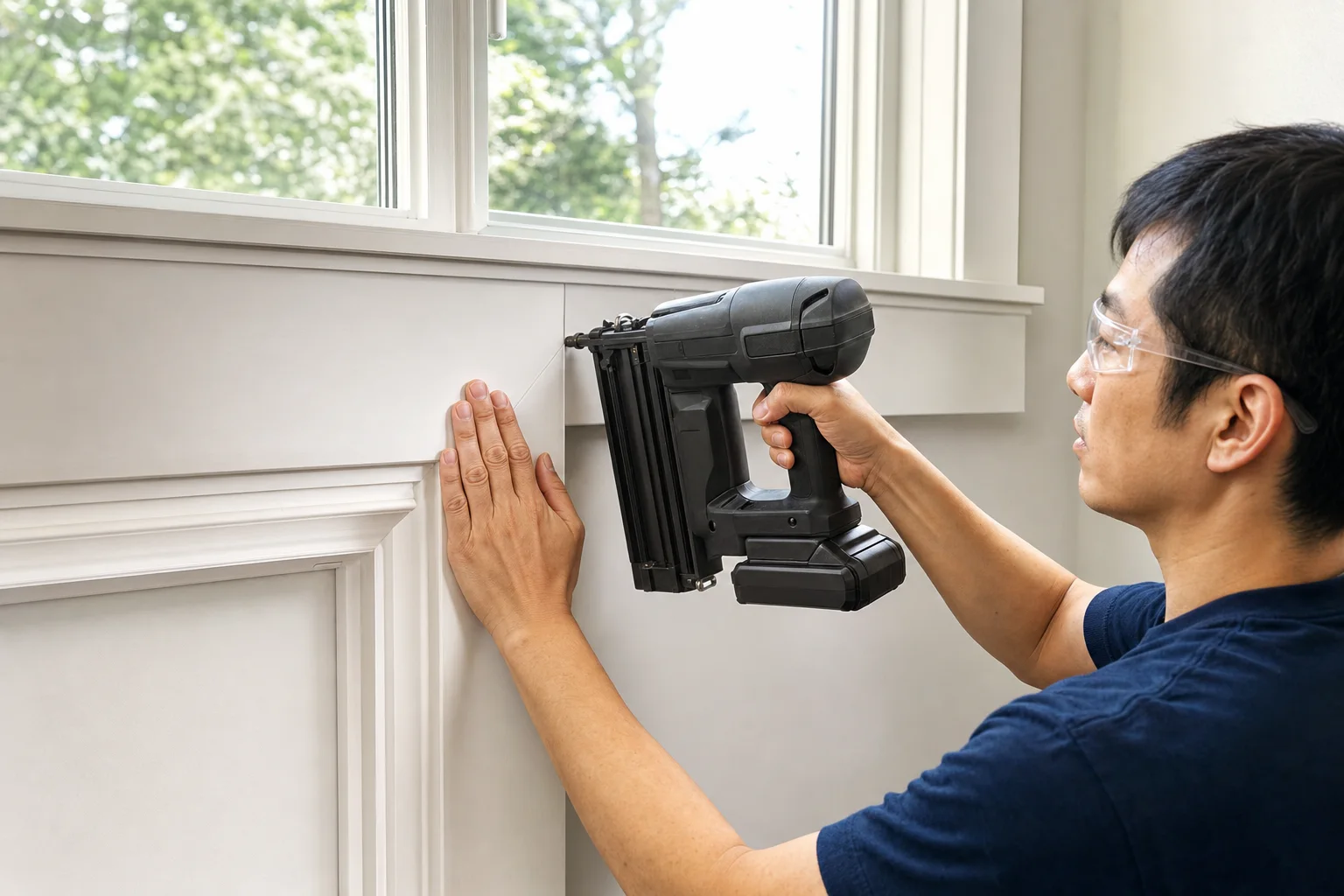
Codes are adopted locally, so editions differ by city
Arizona law lets cities adopt building codes by reference and lets counties that have adopted zoning do the same for unincorporated areas, so the rules depend on the address. Recent adoptions show the spread. Phoenix has enforced its 2024 building code since August 1, 2025, Chandler required 2024 editions for plans submitted on or after July 1, 2025, Mesa began applying them on January 8, 2026, and Tucson's building and residential codes took effect January 1, 2026. Scottsdale's city page still lists 2021 editions, and Flagstaff's page still lists its 2019 adopted codes, which amend the 2018 editions, as current, with the 2024 codes described as upcoming.
No statewide energy code, and climate zones from 2B to 5B
The U.S. Department of Energy lists no statewide residential or commercial energy code for Arizona, so energy rules come from each jurisdiction. Under the 2021 IECC, county climate zones run from 2B (hot-dry) in Maricopa, Pima, Pinal, Yuma and La Paz counties, through 3B in Mohave, Cochise, Graham, Greenlee and Santa Cruz, and 4B in Yavapai and Gila, to 5B (cold) in Coconino, Navajo and Apache. Phoenix adopted the 2024 IECC with its 2024 code, while Prescott's adoption document points its energy chapter to the 2012 IECC, so the edition for your city sets insulation, window and air-sealing requirements.
Extreme heat and monsoon storms
Phoenix recorded 122 days at or above 100 degrees and 37 days at or above 110 degrees in 2025, with a high of 118. Arizona's monsoon season runs from June 15 to September 30, and thunderstorm wind gusts in the Southwest almost always exceed 40 mph and can pass 100 mph, along with dust storms and flash flooding. The state's Workplace Heat Safety Task Force recommends access to water, shade and rest, acclimatization and heat safety training, and those practices belong in any summer roofing or exterior schedule.
Wildfire, snow and frost in the high country
Flagstaff's amendments to the 2018 codes set a 60 pound-per-square-foot ground snow load and a 30-inch frost line, require ice barrier underlayment and limit roofing to Class A or B materials. The city adopted the 2006 International Wildland-Urban Interface Code in 2008, with ignition-resistant construction tiers that include non-combustible roof coverings. Prescott's amended residential code lists an 18-inch frost line, a 105 mph design wind gust and a 5,510 foot elevation, and its fire department enforces urban wildland codes.
Housing stock, shifting soils and homeowner associations
The 2020-2024 American Community Survey counted about 3.19 million housing units in Arizona, with a median year built of 1992. About 64 percent are single-family detached homes and about 9 percent are mobile homes; about 29 percent were built before 1980 and about 37 percent in 2000 or later. The Arizona Geological Survey documents expansive soils that swell and shrink and cause cracked foundations and slabs, and earth fissures in expanding areas of Phoenix and Tucson. Caliche, a soil layer cemented by calcium carbonate, can run from a few inches to several feet thick. State law says a planned community association may not unreasonably withhold approval of a construction project's architectural designs and plans, and Chandler's permit manual advises getting association approval before applying for a city permit.
Sources (25)
- Arizona Legislature, A.R.S. 9-802 (municipal adoption of codes by reference) · checked 2026-09-25
- Arizona Legislature, A.R.S. 11-861 (county building codes) · checked 2026-09-25
- U.S. Department of Energy, Building Energy Codes Program · checked 2026-09-25
- Pacific Northwest National Laboratory for the U.S. Department of Energy (PNNL-33270) · checked 2026-09-25
- National Weather Service Phoenix · checked 2026-09-25
- National Weather Service Phoenix · checked 2026-09-25
- Arizona Department of Water Resources · checked 2026-09-25
- Office of the Arizona Governor · checked 2026-09-25
- Arizona Geological Survey · checked 2026-09-25
- Arizona Geological Survey · checked 2026-09-25
- University of Arizona Cooperative Extension · checked 2026-09-25
- Arizona Legislature, A.R.S. 33-1817 (planned communities, architectural review) · checked 2026-09-25
- U.S. Census Bureau, American Community Survey 2020-2024 5-year (tables B25035, B25034 via Census Reporter) · checked 2026-09-25
- U.S. Census Bureau, American Community Survey 2020-2024 5-year (table B25024 via Census Reporter) · checked 2026-09-25
- City of Phoenix Planning and Development Department · checked 2026-09-25
- City of Tucson Planning and Development Services · checked 2026-09-25
- City of Mesa Development Services · checked 2026-09-25
- City of Chandler Development Services · checked 2026-09-25
- City of Chandler Development Services, Homeowner's Building Permit Manual (April 2026) · checked 2026-09-25
- City of Scottsdale · checked 2026-09-25
- City of Flagstaff, City Code Title 4 amendments dated May 14, 2019 · checked 2026-09-25
- City of Flagstaff Fire Department · checked 2026-09-25
- City of Flagstaff Building Safety and Code Compliance · checked 2026-09-25
- City of Prescott, 2024 code adoption (Exhibit A) · checked 2026-09-25
- City of Flagstaff Building Safety and Code Compliance · checked 2026-09-25
Licensing & permits
Verify any contractor in Arizona
Contractor licensing
Arizona Registrar of Contractors (ROC)
Arizona licenses contractors through the Registrar of Contractors, which issues residential, commercial and dual licenses. Residential work is construction within residential property lines on houses, townhouses, condominiums and cooperative units; commercial work is construction outside residential property lines, and a dual license covers both. One exemption covers casual or minor work with a total contract price under $1,000 that is not part of a larger operation and does not require a local building permit, and unlicensed people who advertise must say they are not licensed contractors. A license requires a qualifying party with at least four years of practical or management trade experience (technical training can replace up to two of those years), a passed written exam and a surety bond or cash deposit; the statute sets general residential bonds between $5,000 and $15,000, with commercial amounts that scale with annual volume. The registrar also administers the Residential Contractors' Recovery Fund, which benefits eligible claimants, including owner-occupants, damaged by a licensed residential contractor's violations. Whoever you hire, confirm the license status and class with the ROC Contractor Search before signing, and get a written contract, which state law requires to contain specific information on residential jobs over $1,000.
Check a contractor’s status (opens the official Arizona site in a new tab)Building permits
Permits in Arizona
Each Arizona city enforces the building codes it has adopted by reference, and counties that have adopted zoning can adopt codes for unincorporated areas, so editions and exemptions differ from place to place. Phoenix asks for the contractor's license number, if applicable, on applications and requires historic area approval before submittal; Tucson takes applications through Tucson Development Center Online and Flagstaff through its Citizen Access Portal; Chandler advises getting association approval first. Historic districts, wildland-urban interface rules and drainage rules can add review on top of the building permit. Permit needs vary by jurisdiction and project, so they are confirmed for your address during planning.
Sources (14)
- Arizona Legislature, A.R.S. 32-1101 (definitions) · checked 2026-09-25
- Arizona Legislature, A.R.S. 32-1121 (licensing exemptions) · checked 2026-09-25
- Arizona Legislature, A.R.S. 32-1122 (qualifications for license) · checked 2026-09-25
- Arizona Legislature, A.R.S. 32-1132 (residential contractors' recovery fund) · checked 2026-09-25
- Arizona Legislature, A.R.S. 32-1152 (license bonds) · checked 2026-09-25
- Arizona Attorney General's Office · checked 2026-09-25
- Arizona Legislature, A.R.S. 9-802 (municipal adoption of codes by reference) · checked 2026-09-25
- Arizona Legislature, A.R.S. 11-861 (county building codes) · checked 2026-09-25
- City of Phoenix Planning and Development Department, residential permit guide (revision dated 2/20) · checked 2026-09-25
- City of Tucson Planning and Development Services · checked 2026-09-25
- City of Tucson Planning and Development Services · checked 2026-09-25
- City of Chandler Development Services, Homeowner's Building Permit Manual (April 2026) · checked 2026-09-25
- City of Flagstaff Building Safety and Code Compliance · checked 2026-09-25
- City of Flagstaff Fire Department · checked 2026-09-25
Our services
Construction & Remodeling Services in Arizona
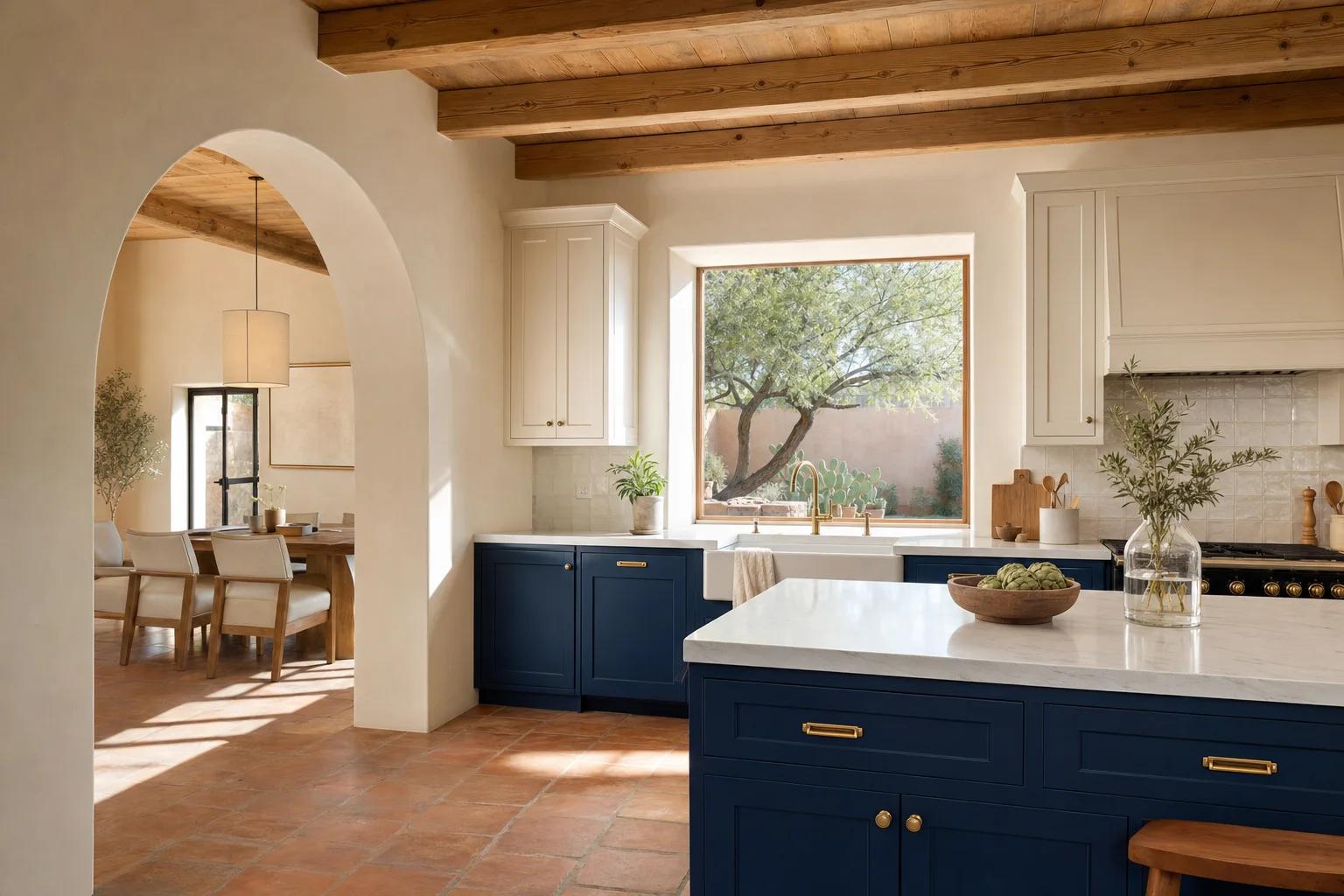
Illustrative image Kitchen Remodeling
Kitchen remodels that update the layout, cabinets, counters, lighting and finishes, planned around how you cook and use the room.
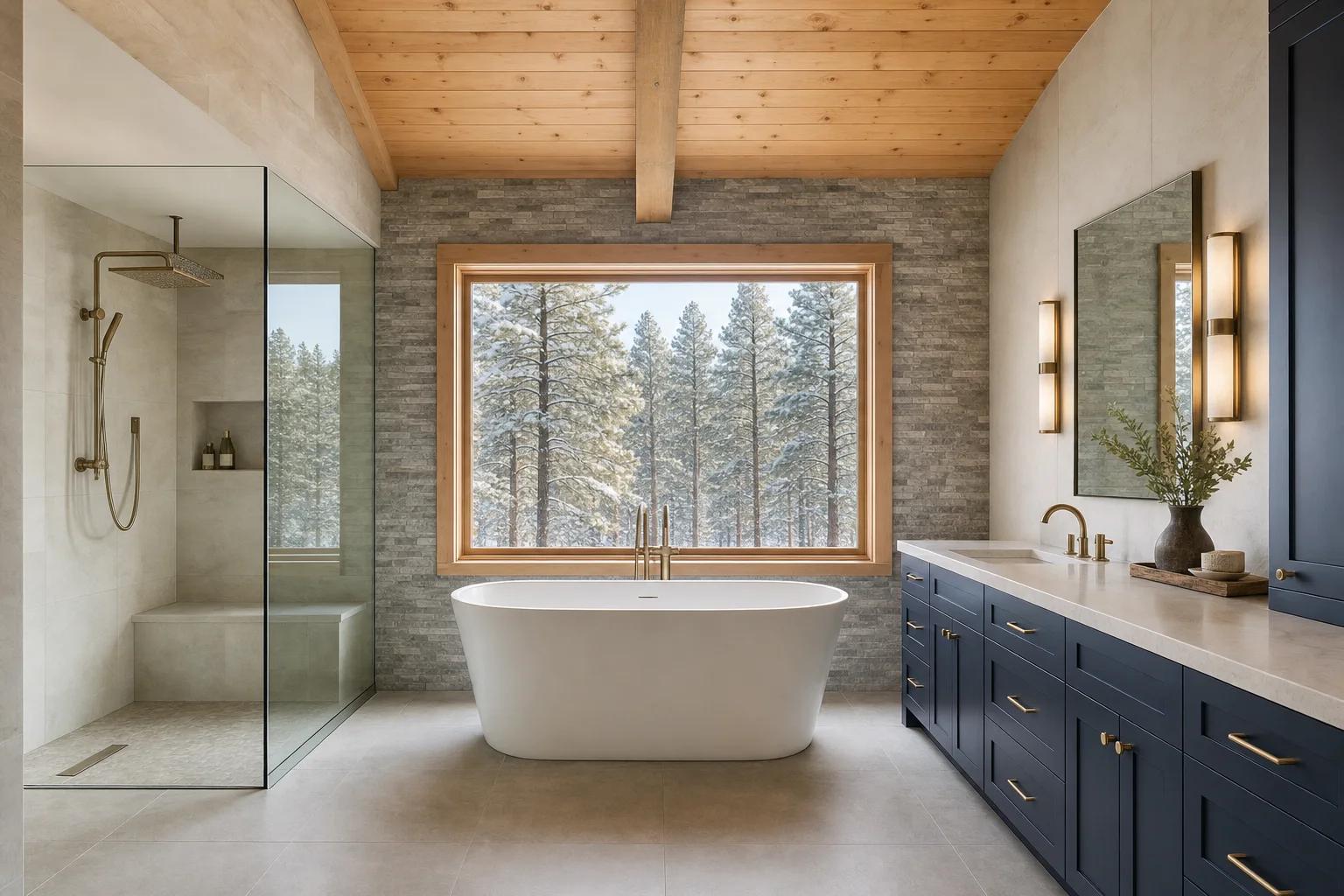
Illustrative image Bathroom Remodeling
Bathroom remodels built on sound waterproofing and ventilation, with fixtures and finishes that fit who uses the room.
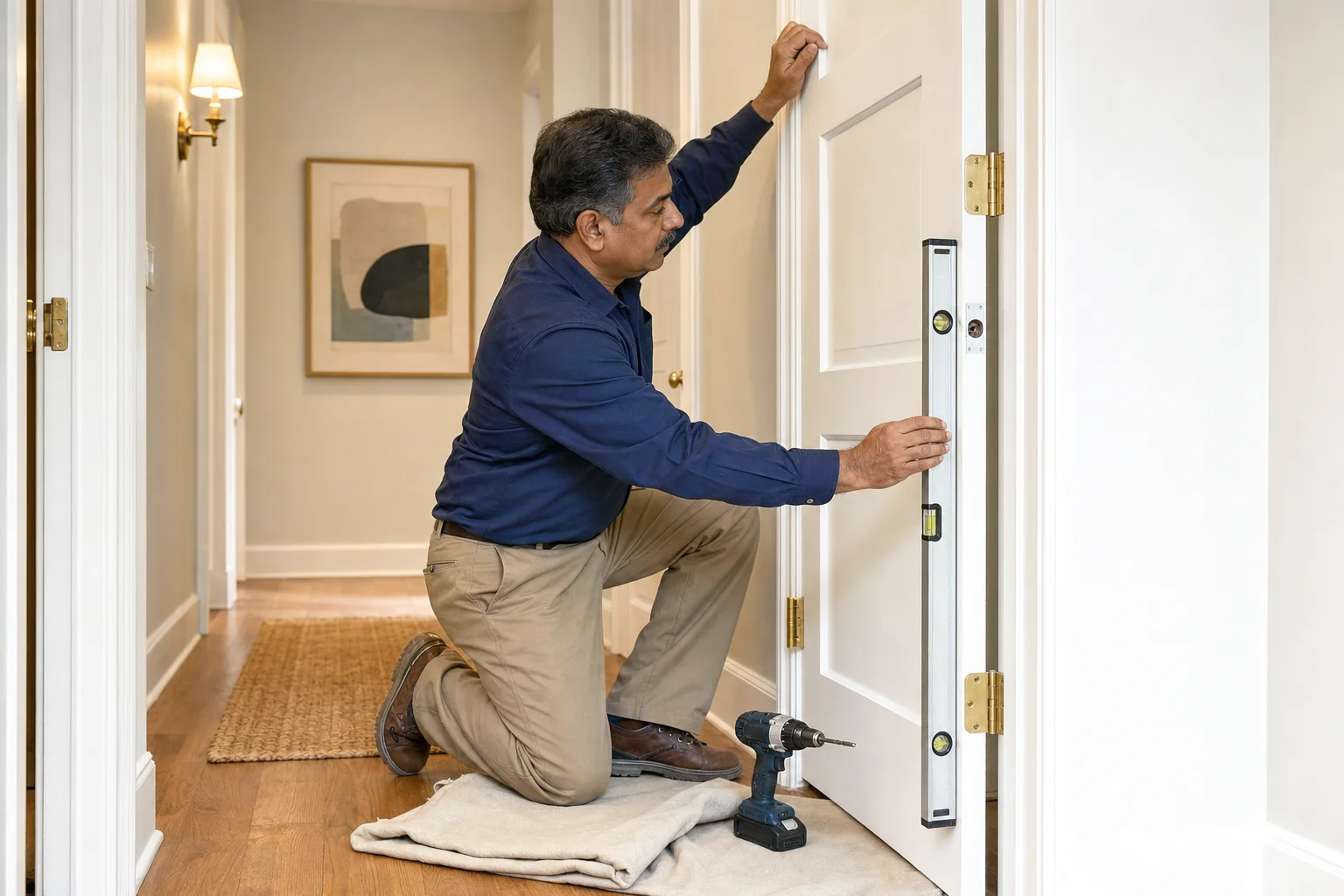
Illustrative image Repairs & Maintenance
Planned repair visits for the small and mid-size problems that build up in a home or building, from sticking doors to rotted trim and loose railings.
Inspiration
Design inspiration for Arizona projects
Styles, materials and layouts suited to Arizona homes and businesses, to help you picture your own project.
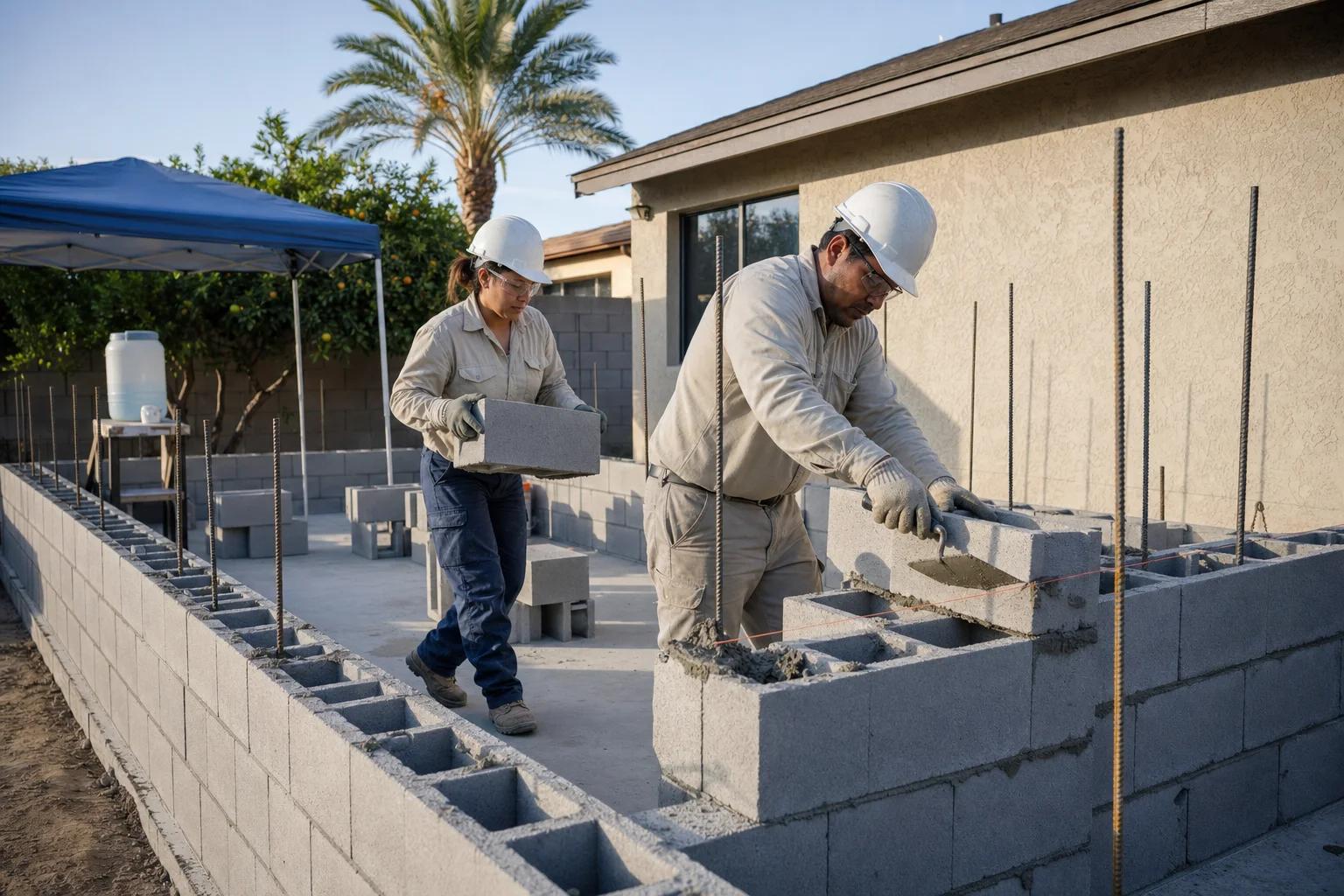
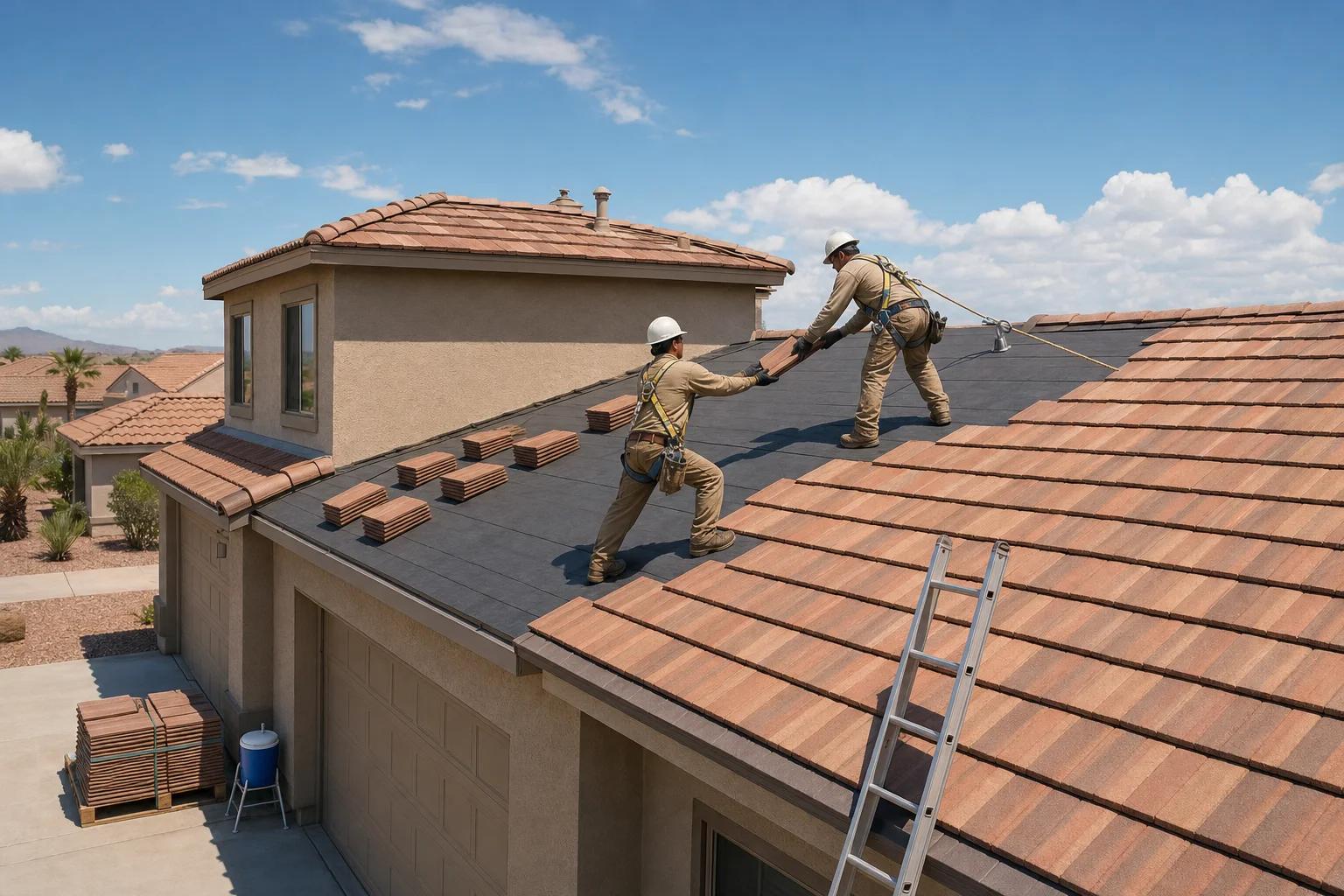
Images are illustrative and created for this website. They are not photographs of completed customer projects.
How it works
Our Simple 4-Step Process
- 1
Consult
Tell us about your project and goals. We review the location, scope and any constraints.
- 2
Plan
We define the scope in writing, confirm selections and identify permits the work may need.
- 3
Build
Work proceeds against the agreed plan, with updates when decisions or changes come up.
- 4
Enjoy
We walk through the finished work with you and hand over care and warranty information.
Questions
Arizona Project FAQs
Who issues building permits in Arizona?
Each city enforces the codes it adopts within its limits, and county boards of supervisors in counties with zoning can adopt building codes for unincorporated areas. State law lets a city adopt codes by reference, so the code edition and permit rules depend on the property. Phoenix, for example, has enforced its 2024 code since August 1, 2025, while Scottsdale's city page lists 2021 editions. The permit office for your address is confirmed during planning.
How do I check a contractor's license in Arizona?
Use the Registrar of Contractors Contractor Search to confirm the license is active and that its class matches the work. The Arizona Attorney General warns that anyone can pretend to be a contractor and says to double check, get written estimates and avoid upfront or cash-only payments. State law also requires specific information in every residential construction contract over $1,000. Licensed residential contractors post a bond, and the Residential Contractors' Recovery Fund can help eligible owner-occupants damaged by a licensed contractor's violations.
Can someone without a license do a small job in Arizona?
Only a very small one. The exemption covers casual or minor work with a total contract price under $1,000 that is not part of a larger operation, and it does not apply when a local building permit is required. Unlicensed people who advertise must disclose that they are not licensed contractors. Anything that needs a permit, or that is split into pieces to stay under the limit, is outside the exemption.
How do summer heat and monsoon storms affect scheduling?
Arizona's monsoon season runs from June 15 to September 30, with wind gusts that almost always exceed 40 mph, dust storms and flash flooding, and it overlaps the hottest months of the year. The state's heat safety task force stresses water, shade, rest and acclimatization for workers, so summer roofing and exterior work is planned around early hours and heat breaks. Build storm days into the schedule and close up open roofs and excavations before weather arrives.
Do I need homeowner association approval before applying for a permit?
Association rules are separate from the city permit. Chandler's permit manual, for example, says plans should be approved by the association before the permit application and that the city does not enforce HOA rules. State law says a planned community association may not unreasonably withhold approval of a construction project's architectural designs and plans, and may not prohibit a solar energy device, though it can set reasonable placement rules. Share your governing documents early.
What should I prepare before digging or grading a site in Arizona?
Call Arizona 811 before any excavation; utility owners must mark their lines within 48 hours, and digging before they are marked can bring fines. In Maricopa County, activity that disturbs 0.1 acre or more needs a dust control permit. Ask about soils too: expansive clay swells and shrinks with moisture, and caliche, a layer cemented by calcium carbonate, can be several feet thick and slow excavation.
Sources (18)
- Arizona Legislature, A.R.S. 32-1121 (licensing exemptions) · checked 2026-09-25
- Arizona Legislature, A.R.S. 32-1132 (residential contractors' recovery fund) · checked 2026-09-25
- Arizona Legislature, A.R.S. 32-1152 (license bonds) · checked 2026-09-25
- Arizona Attorney General's Office · checked 2026-09-25
- Arizona Legislature, A.R.S. 9-802 (municipal adoption of codes by reference) · checked 2026-09-25
- Arizona Legislature, A.R.S. 11-861 (county building codes) · checked 2026-09-25
- National Weather Service Phoenix · checked 2026-09-25
- Arizona Department of Water Resources · checked 2026-09-25
- Office of the Arizona Governor · checked 2026-09-25
- Arizona Geological Survey · checked 2026-09-25
- University of Arizona Cooperative Extension · checked 2026-09-25
- Arizona Legislature, A.R.S. 33-1817 (planned communities, architectural review) · checked 2026-09-25
- Arizona Legislature, A.R.S. 33-1816 (planned communities, solar energy devices) · checked 2026-09-25
- Arizona Corporation Commission · checked 2026-09-25
- Maricopa County Air Quality Department · checked 2026-09-25
- City of Phoenix Planning and Development Department · checked 2026-09-25
- City of Chandler Development Services, Homeowner's Building Permit Manual (April 2026) · checked 2026-09-25
- City of Scottsdale · checked 2026-09-25
Local resources
Planning guides for Arizona
Ready to Start Your Arizona Project?
Tell us what you are planning and where. We'll confirm availability for your address and follow up to talk through scope and next steps.