Colorado Construction Pros
Construction & Remodeling Experts in Colorado
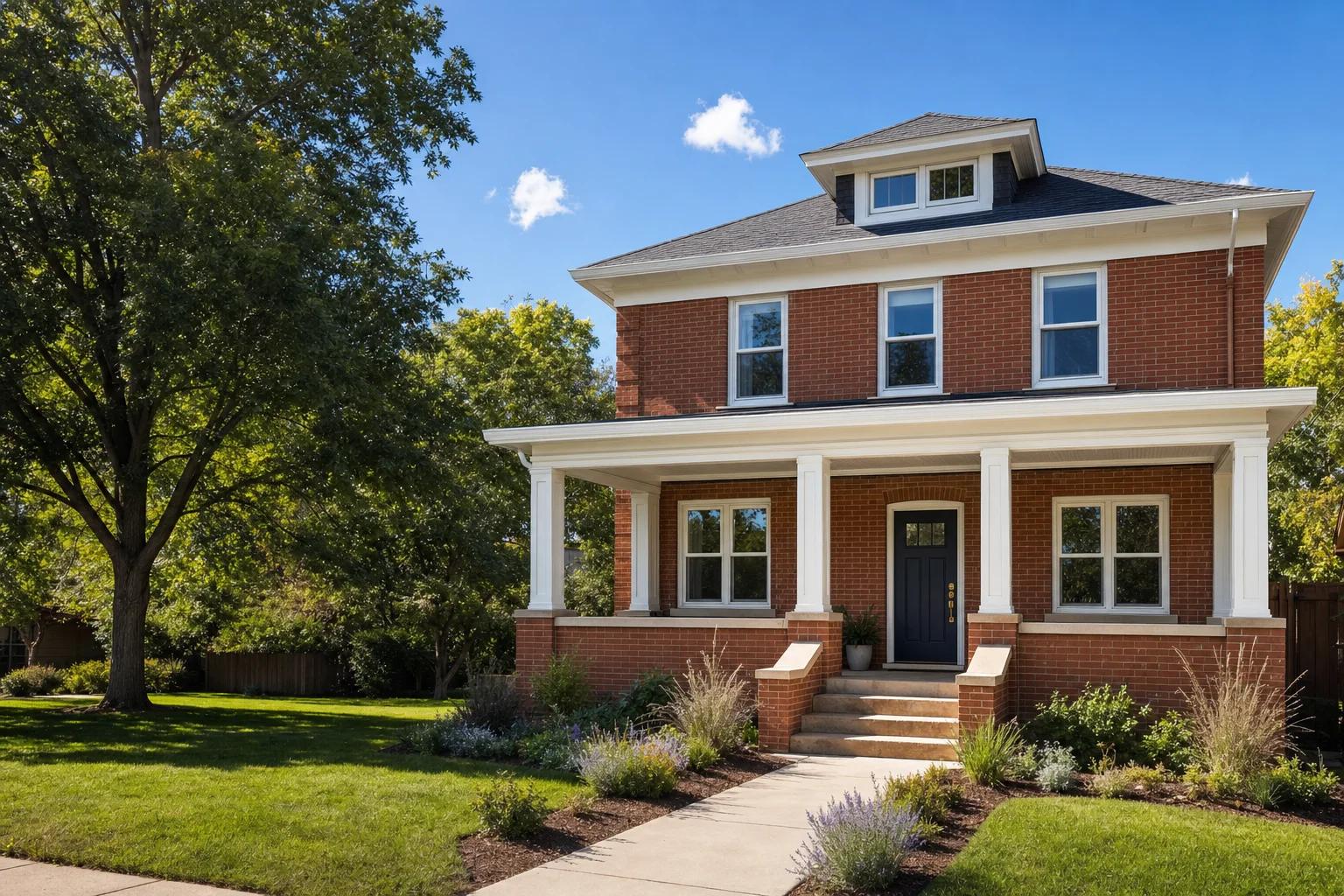
Colorado Construction Pros plans and builds kitchen and bathroom remodels, roofing, repairs, commercial projects and new homes for Colorado homeowners and businesses. Work here is shaped by building codes that each city or county adopts on its own, a long record of damaging hailstorms from Pueblo to Fort Collins, wildfire rules in the wildland-urban interface, and housing that ranges from pre-1940 city homes to newer suburbs. Each project starts by confirming the permit office, code edition and any wildfire or historic rules that apply to your address. Service areas in Colorado are still being confirmed, so availability is checked before anything is scheduled.
Colorado
Construction Pros
Remodeling, roofing, repairs and new construction planning for Colorado properties, built around hail, wildfire and local codes.
Serving communities across Colorado
Service areasBuilding in Colorado
What shapes a project in Colorado
Codes are adopted locally, and editions differ
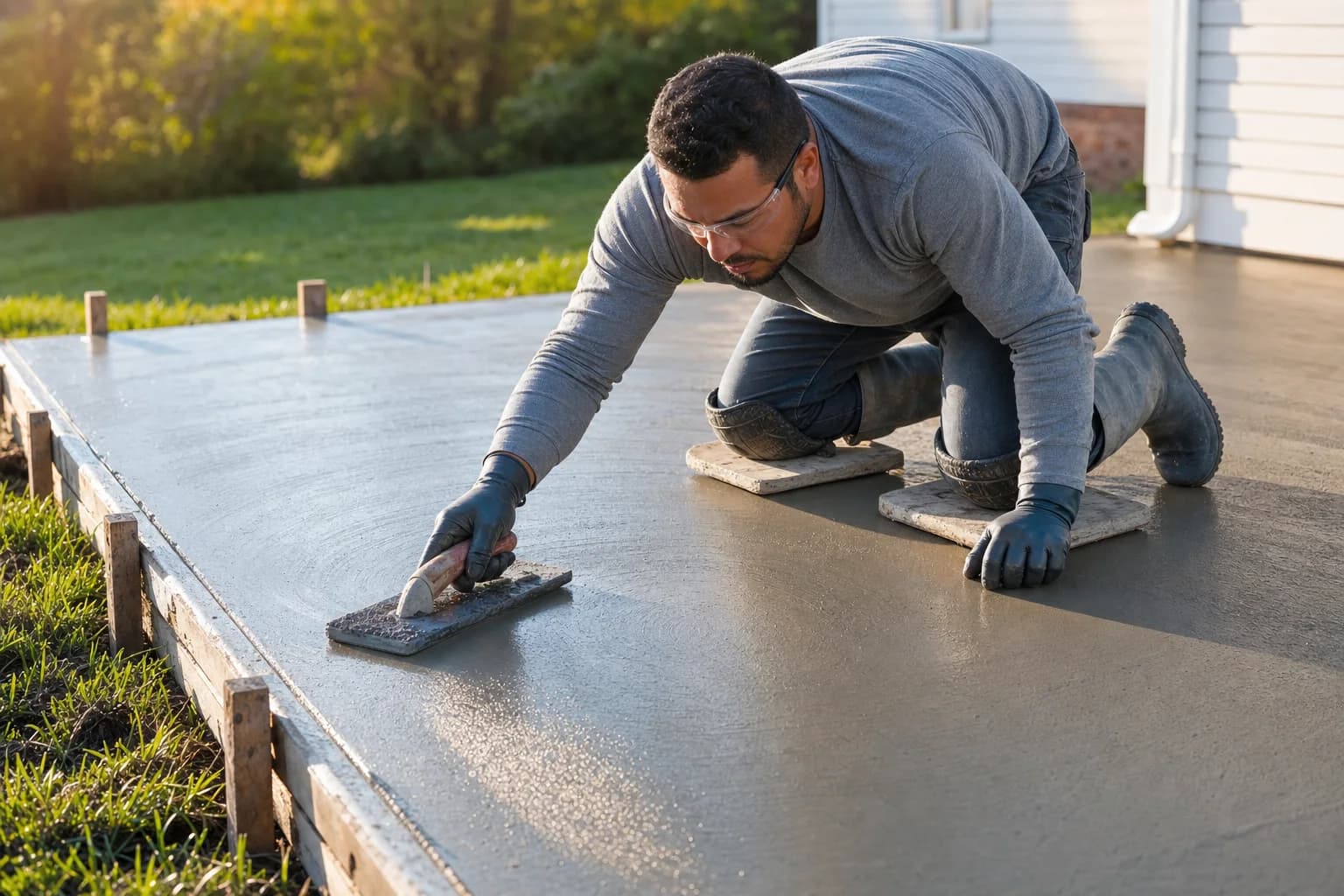
The U.S. Department of Energy lists Colorado as a home rule state for energy codes, and building codes are adopted by cities, counties and regional building departments. In 2026 the editions differ: Denver, Boulder, Fort Collins and Mesa County base their building codes on the 2024 International Codes, while Aurora and the Pikes Peak Regional Building Department use the 2021 editions. The code that applies to your project depends on the address and, in Fort Collins, on the date the permit was submitted.
State law sets a floor for energy codes
Under HB22-1362, cities and counties that updated a building code between July 1, 2023 and July 1, 2026 had to adopt an energy code at least as strong as the 2021 IECC plus the state's model electric ready and solar ready code. Updates after July 1, 2026 must meet the model low energy and carbon code. Local results vary: the Pikes Peak region uses the 2021 IECC with the electric and solar ready code, while Boulder runs its own energy code, which requires electric space and water heating in major remodels.
Hail is a repeat risk for roofs and siding
NOAA counts 42 billion-dollar severe storm events that affected Colorado from 1980 to 2024. Its list includes hailstorms in the Denver metro area in May 2017, in Colorado Springs and Pueblo in June 2018, from northern Denver to Boulder and Fort Collins in June 2018, and around Denver and Fort Collins in July 2019. Roofing, siding, gutter and window choices here should account for hail.
Wildfire rules in the wildland-urban interface
The Colorado State Forest Service says just under half of all Coloradans live in the wildland-urban interface, where homes meet wildland vegetation. SB23-166 created a state Wildfire Resiliency Code Board, and local governments with land in the interface must adopt a code that meets or exceeds its minimum standards. Colorado Springs, for example, added the state Wildfire Resiliency Code requirements to its fire code effective June 30, 2026. The Marshall Fire on December 30, 2021 destroyed 1,109 homes in Louisville, Superior and unincorporated Boulder County.
Housing age and swelling soils
The 2024 American Community Survey counts about 2.66 million housing units in Colorado, with a median year built of 1989. About 61 percent are single-family detached homes, about 38 percent were built before 1980, and about 35 percent were built in 2000 or later. The Colorado Geological Survey calls swelling soil a common and sometimes serious problem in Colorado that can damage houses slowly over time, so cracks and sticking doors are worth checking before a remodel.
Sources (17)
- U.S. Census Bureau, American Community Survey 2024 1-year (via Census Reporter API) · checked 2026-09-24
- U.S. Department of Energy, Building Energy Codes Program · checked 2026-09-24
- Colorado General Assembly, HB22-1362 Building Greenhouse Gas Emissions · checked 2026-09-24
- Colorado General Assembly, SB23-166 Establishment of a Wildfire Resiliency Code Board · checked 2026-09-24
- City of Colorado Springs Fire Department · checked 2026-09-24
- Colorado State Forest Service · checked 2026-09-24
- Colorado State Forest Service · checked 2026-09-24
- Colorado Geological Survey · checked 2026-09-24
- NOAA National Centers for Environmental Information, Billion-Dollar Weather and Climate Disasters · checked 2026-09-24
- Boulder County · checked 2026-09-24
- City and County of Denver, Community Planning and Development · checked 2026-09-24
- Pikes Peak Regional Building Department · checked 2026-09-24
- City of Aurora Building Division · checked 2026-09-24
- City of Fort Collins Building Services · checked 2026-09-24
- City of Boulder Planning & Development Services · checked 2026-09-24
- City of Boulder Planning & Development Services · checked 2026-09-24
- Mesa County Building Department · checked 2026-09-24
Licensing & permits
Verify any contractor in Colorado
Contractor licensing
Local building departments (building contractors); Colorado Department of Regulatory Agencies, DORA (electrical and plumbing licenses)
In the Colorado cities covered here, building contractors are licensed locally. Denver, Aurora, Fort Collins and the Pikes Peak Regional Building Department each run their own contractor licensing, and Denver does not accept licenses from other counties or states. Electrical and plumbing work is different: licenses for those trades come from the State of Colorado, and local departments keep the state licenses on file or register them. Aurora, for example, does not issue its own plumbing or electrical contractor license. Fort Collins exempts owners working on their own single-family home, with conditions. Before hiring anyone, ask for the local license and any state electrical or plumbing license numbers, and check them with the local building department's contractor search and with DORA.
Check a contractor’s status (opens the official Colorado site in a new tab)Building permits
Permits in Colorado
Building permits in Colorado are issued by city and county building departments, and some regions share one office. The Pikes Peak Regional Building Department covers Colorado Springs, El Paso County and several nearby towns; Mesa County's Building Department issues permits for Grand Junction; and since January 1, 2026 the Southern Colorado Building Department serves the City of Pueblo. Each office enforces the codes its jurisdictions adopted, so exemptions differ: Denver requires permits for most construction, alteration or repair work, while Pikes Peak and Boulder list cosmetic work such as painting or replacing cabinets as exempt. Permit needs for your address are confirmed during planning.
Sources (11)
- City and County of Denver, Community Planning and Development · checked 2026-09-24
- City and County of Denver, Community Planning and Development · checked 2026-09-24
- Pikes Peak Regional Building Department · checked 2026-09-24
- Pikes Peak Regional Building Department · checked 2026-09-24
- Pikes Peak Regional Building Department · checked 2026-09-24
- City of Aurora Building Division · checked 2026-09-24
- City of Fort Collins Building Services · checked 2026-09-24
- City of Boulder Planning & Development Services · checked 2026-09-24
- Southern Colorado Building Department · checked 2026-09-24
- Pueblo Regional Building Department (transition notice) · checked 2026-09-24
- Mesa County Building Department · checked 2026-09-24
Our services
Construction & Remodeling Services in Colorado
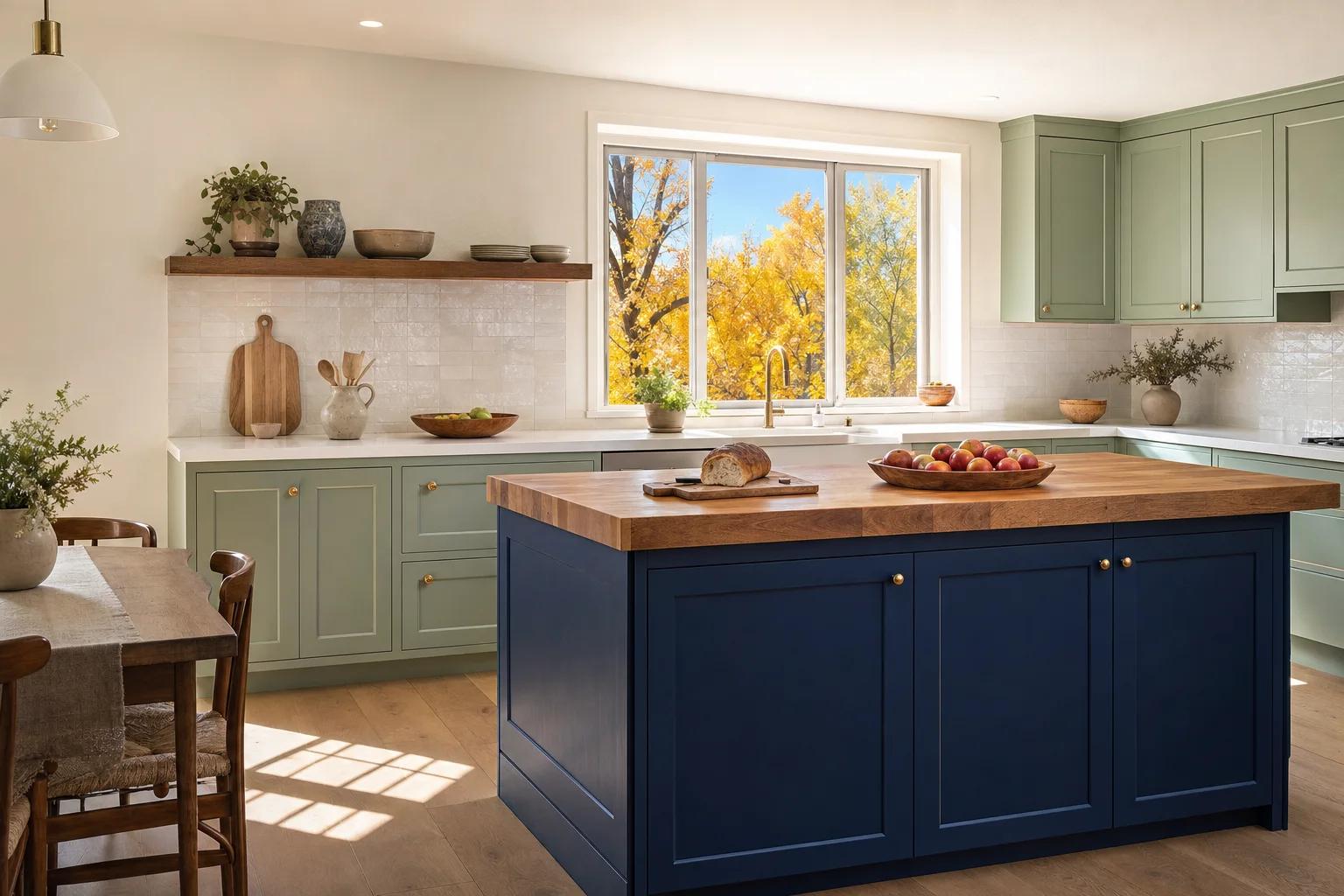
Illustrative image Kitchen Remodeling
Kitchen remodels that update the layout, cabinets, counters, lighting and finishes, planned around how you cook and use the room.
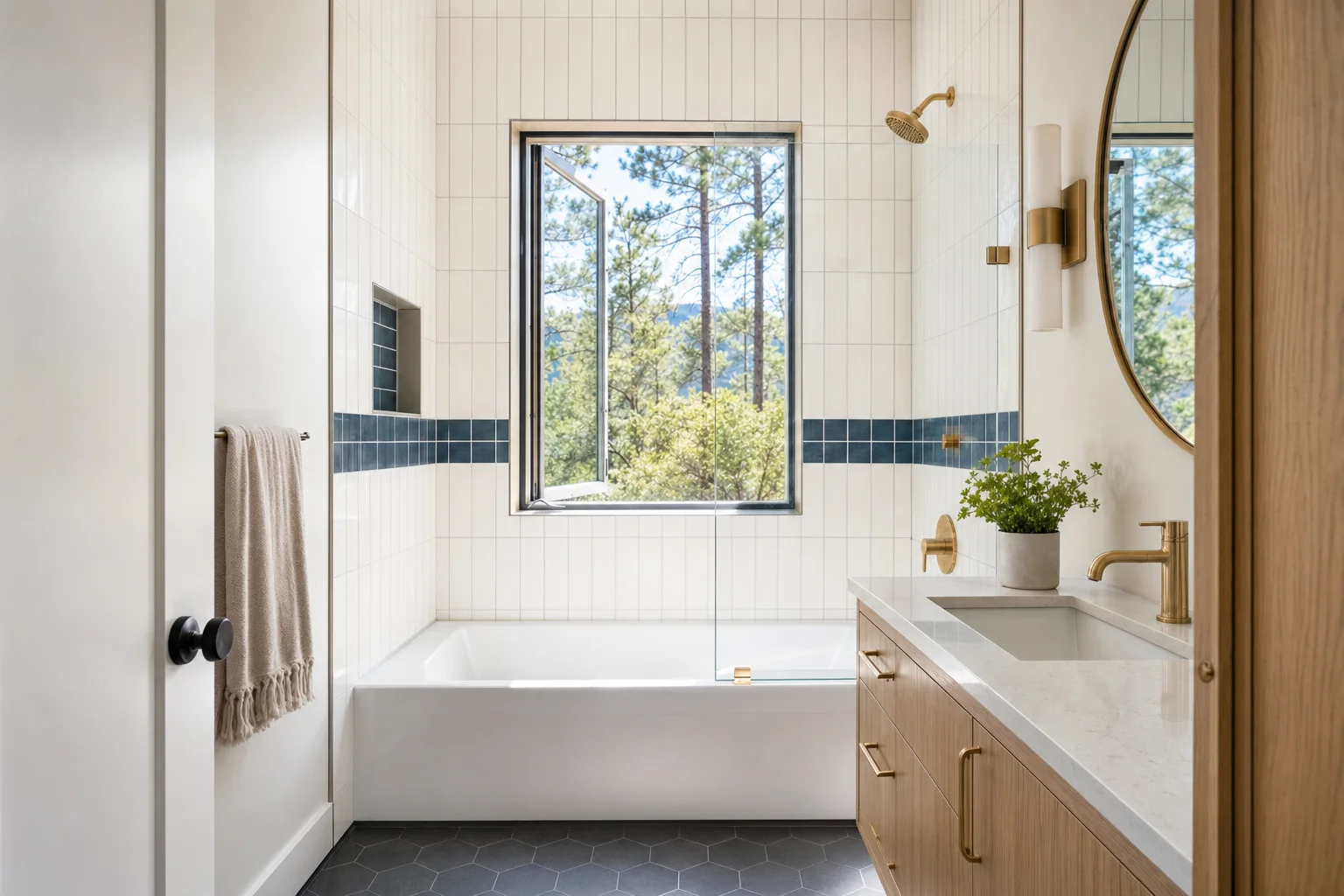
Illustrative image Bathroom Remodeling
Bathroom remodels built on sound waterproofing and ventilation, with fixtures and finishes that fit who uses the room.

Illustrative image Repairs & Maintenance
Planned repair visits for the small and mid-size problems that build up in a home or building, from sticking doors to rotted trim and loose railings.
Inspiration
Design inspiration for Colorado projects
Styles, materials and layouts suited to Colorado homes and businesses, to help you picture your own project.
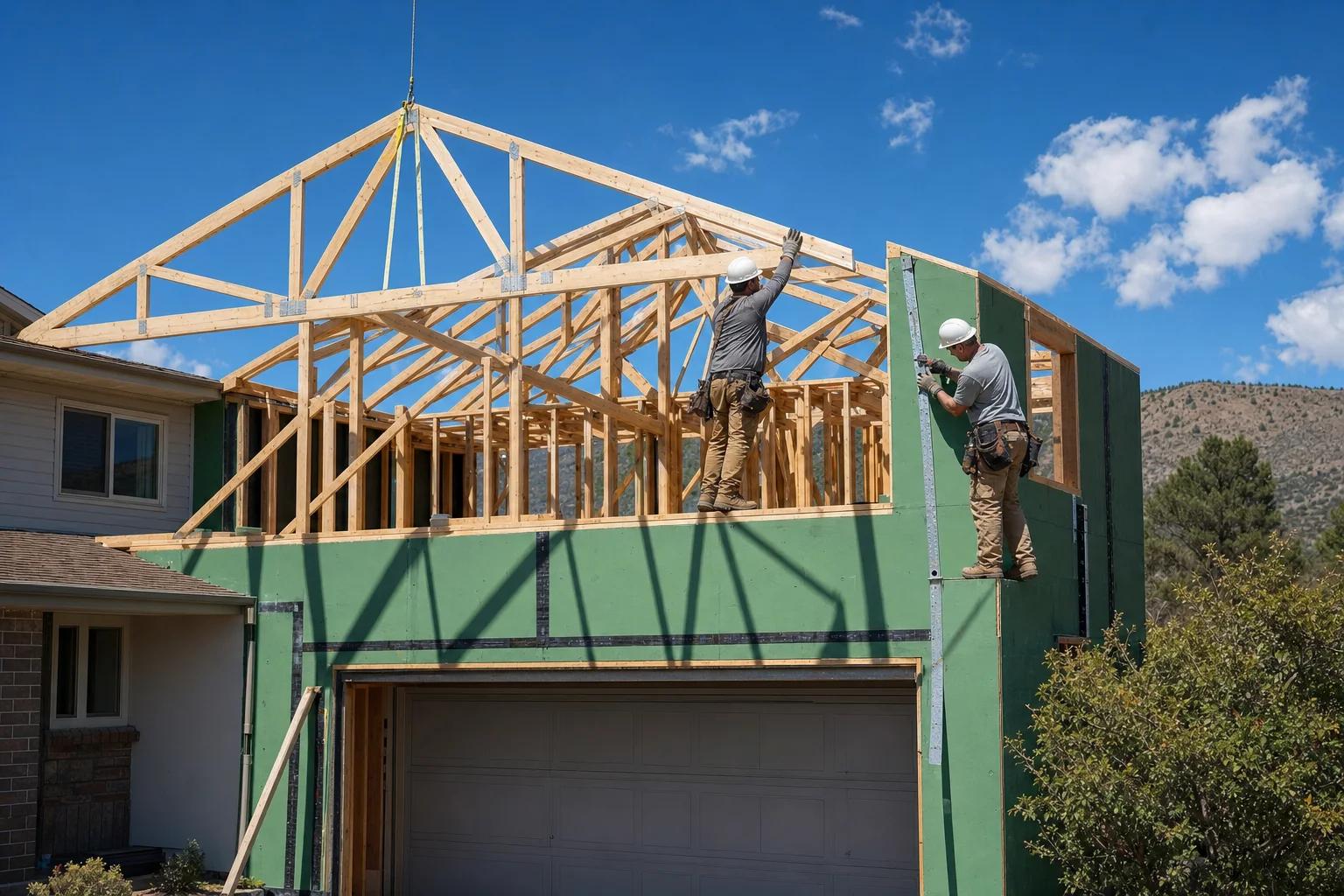
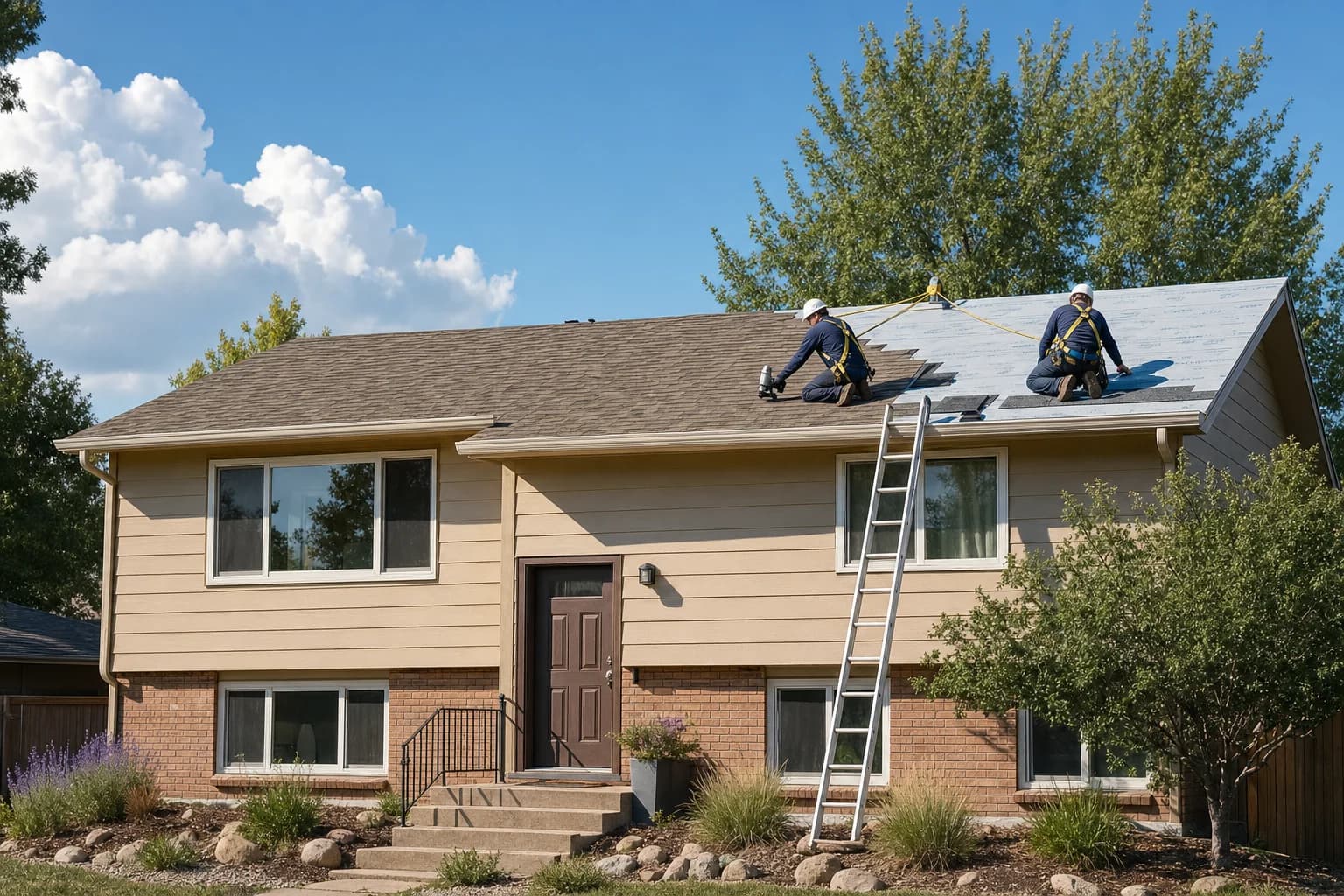
Images are illustrative and created for this website. They are not photographs of completed customer projects.
How it works
Our Simple 4-Step Process
- 1
Consult
Tell us about your project and goals. We review the location, scope and any constraints.
- 2
Plan
We define the scope in writing, confirm selections and identify permits the work may need.
- 3
Build
Work proceeds against the agreed plan, with updates when decisions or changes come up.
- 4
Enjoy
We walk through the finished work with you and hand over care and warranty information.
Questions
Colorado Project FAQs
Do I need a permit to remodel a kitchen or bathroom in Colorado?
It depends on the scope and the city. Boulder and the Pikes Peak Regional Building Department treat finish work such as painting, flooring and replacing cabinets as exempt, but electrical work, water heaters and framing changes need permits. Denver requires permits for most construction, alteration or repair work. The permits for your project are confirmed with the local building department during planning.
How do I check a contractor's license in Colorado?
Ask for two things: the local contractor license for the city or county where you live, and the state license number for any electrician or plumber, since those licenses come from the State of Colorado. Denver, Aurora and the Pikes Peak Regional Building Department each offer an online contractor search. Elsewhere, ask the local building department. Denver does not accept contractor licenses from other counties or states.
When is hail most likely to affect a roofing project?
Many of the costly Colorado hailstorms on NOAA's billion-dollar disaster list happened between May and July, including May 2017 in the Denver metro area, June 2018 in Colorado Springs and Pueblo, and July 2019 around Denver and Fort Collins. If you are planning a new roof, it is worth discussing impact-rated materials and keeping photos of the roof's condition before and after the work.
Which energy code applies to my project?
It is set locally, within a state floor. Under HB22-1362, local codes updated from mid-2023 to mid-2026 must be at least as strong as the 2021 IECC plus the state's electric ready and solar ready code. Some cities go further: Boulder's 2024 energy code requires new homes of 3,000 square feet or more to reach an ERI of 0. The energy code for your address is confirmed during design.
What does living in the wildland-urban interface mean for construction?
Just under half of Coloradans live in the wildland-urban interface. State law requires local governments with land there to adopt a wildfire code that meets the state board's minimum standards, and Colorado Springs added those requirements to its fire code in 2026. If your property is in a covered area, building materials and the space around the house may need to meet those rules.
What should I have ready before planning a project?
Have your property address, photos of the area to be changed, any past permits or plans, and a list of must-haves and nice-to-haves. If your home is in a homeowners association, get its design review rules early. If the house is older, note any cracks, sticking doors or sloping floors, since the Colorado Geological Survey describes swelling soil as a common problem in the state.
Sources (14)
- Colorado General Assembly, HB22-1362 Building Greenhouse Gas Emissions · checked 2026-09-24
- Colorado General Assembly, SB23-166 Establishment of a Wildfire Resiliency Code Board · checked 2026-09-24
- City of Colorado Springs Fire Department · checked 2026-09-24
- Colorado State Forest Service · checked 2026-09-24
- Colorado Geological Survey · checked 2026-09-24
- NOAA National Centers for Environmental Information, Billion-Dollar Weather and Climate Disasters · checked 2026-09-24
- City and County of Denver, Community Planning and Development · checked 2026-09-24
- City and County of Denver, Community Planning and Development · checked 2026-09-24
- Pikes Peak Regional Building Department · checked 2026-09-24
- Pikes Peak Regional Building Department · checked 2026-09-24
- Pikes Peak Regional Building Department · checked 2026-09-24
- City of Aurora Building Division · checked 2026-09-24
- City of Boulder Planning & Development Services · checked 2026-09-24
- City of Boulder Planning & Development Services · checked 2026-09-24
Local resources
Planning guides for Colorado
Ready to Start Your Colorado Project?
Tell us what you are planning and where. We'll confirm availability for your address and follow up to talk through scope and next steps.