
Idaho Construction Pros
Construction & Remodeling Experts in Idaho
Idaho Construction Pros plans kitchen and bath remodels, roofing, repairs, commercial projects and new homes for Idaho property owners. Idaho builds to the 2018 International codes with state amendments, but cities publish their own snow load, frost depth and seismic design criteria, from a 20 psf ground snow load in Meridian to 60 psf in Coeur d'Alene. Each project is scoped around those local numbers, the state's contractor registration rules and the permit office for your address. Service areas in Idaho are still being confirmed, so availability is checked for each project address.
Idaho
Construction Pros
Remodeling, roofing, repairs and new construction planned around Idaho's codes, snow loads and climate zones.
Serving communities across Idaho
Service areasBuilding in Idaho
What shapes a project in Idaho
Statewide 2018 codes, adopted locally
Idaho's adopted building codes are the 2018 International Building Code, the Idaho Residential Code (2020 Edition) based on the 2018 IRC, the Idaho Energy Conservation Code (2020 Edition) based on the 2018 IECC, and the 2018 International Existing Building Code. Under Idaho Code 39-4116, cities and counties that issue building permits must adopt the building, residential and energy codes by ordinance. Local amendments must give at least an equivalent level of protection, and local governments cannot adopt residential code or residential energy code provisions that the Idaho Building Code Board has not adopted. Local amendments and design criteria still differ, so each project is checked against the permitting jurisdiction's version.
Energy code climate zones 5B and 6B
Idaho's energy code is based on the 2018 IECC and took effect January 1, 2021, for residential and commercial buildings. The U.S. Department of Energy's county guide places Ada, Canyon, Twin Falls, Kootenai and Nez Perce counties in zone 5B, and Bonneville and Bannock counties in the colder zone 6B. The zone sets insulation, window and air-sealing targets, so an addition in Idaho Falls can carry different envelope requirements than one in Boise.
Snow load and frost depth are set locally
University of Idaho researchers publish ground snow load studies for the state, but final design loads rest with the engineer, architect, local building official or contractor. Published city criteria vary widely: Meridian lists a 20 psf ground snow load, Idaho Falls 47.1 psf, and Coeur d'Alene 60 psf. Minimum footing depth also differs, from 24 inches in Meridian and Coeur d'Alene to 30 inches in Idaho Falls.
Earthquake, wildfire and radon
The Idaho Geological Survey describes the 2020 M6.5 Stanley earthquake as the second largest to occur within Idaho in recorded history, and the 1983 M6.9 Borah Peak earthquake as one of the largest recorded in the Intermountain West. Seismic design criteria differ by city: Meridian and Coeur d'Alene list Seismic Design Category C, and Idaho Falls lists D. Wildfire rules show up locally too, such as Boise's Wildland Urban Interface overlay and the wildland-urban interface code item on Pocatello's residential plan checklist. The state health department reports that 2 out of 5 Idaho homes have elevated radon levels.
Housing stock: older cores, newer suburbs
Census estimates for 2020 to 2024 count about 795,000 housing units in Idaho. About 39 percent were built before 1980, and about 36 percent in 2000 or later. Roughly 74 percent are single-family detached homes and about 7 percent are mobile homes. That mix means many projects update houses from the 1970s and earlier, while in Meridian about 70 percent of homes were built in 2000 or later.
Sources (14)
- Idaho Division of Occupational and Professional Licenses (DOPL), Building Program · checked 2026-09-24
- Idaho Legislature (Idaho Code 39-4116) · checked 2026-09-24
- U.S. Department of Energy, Building Energy Codes Program · checked 2026-09-24
- U.S. Department of Energy, Building America (Guide to Determining Climate Regions by County) · checked 2026-09-24
- University of Idaho Library and Department of Civil Engineering · checked 2026-09-24
- Idaho Geological Survey · checked 2026-09-24
- Idaho Department of Health and Welfare · checked 2026-09-24
- U.S. Census Bureau, American Community Survey 2020-2024 5-year estimates, table B25034 (via Census Reporter) · checked 2026-09-24
- U.S. Census Bureau, American Community Survey 2020-2024 5-year estimates, table B25024 (via Census Reporter) · checked 2026-09-24
- City of Boise Planning and Development Services · checked 2026-09-24
- City of Meridian Community Development, Building Services · checked 2026-09-24
- City of Idaho Falls Building Department · checked 2026-09-24
- City of Coeur d'Alene Building Services Department · checked 2026-09-24
- City of Pocatello Development Services Center · checked 2026-09-24
Licensing & permits
Verify any contractor in Idaho
Contractor licensing
Idaho Contractors Board, Idaho Division of Occupational and Professional Licenses (DOPL)
Idaho requires contractor registration, not a license, for general construction work. Anyone who takes on a construction job over $2,000 in combined materials and labor must register with the Idaho Contractors Board unless an exemption applies. Exemptions include wage employees of a contractor, and owners who do their own work on their own land and do not plan to sell within 12 months. Registrants must carry general liability coverage of at least $300,000 and must show their registration number on advertising, contracts and building permits. Licensed electrical contractors, plumbers and HVAC installers do not have to register unless they contract for work beyond the scope of their license. Contractors on publicly funded projects estimated at $50,000 or more need a separate public works contractor license. Some cities add their own rules; Pocatello's Building Department takes applications for city contractor licenses. Before hiring any contractor, check the registration and any formal actions through DOPL's public search.
Check a contractor’s status (opens the official Idaho site in a new tab)Building permits
Permits in Idaho
Building permits in Idaho are issued by the cities and counties that have adopted the state building codes by ordinance, such as Boise's Planning and Development Services, Meridian Building Services and the Twin Falls Building Safety Department. Trade permits depend on location. Pocatello's Building Department issues permits for electrical, plumbing, mechanical and gas work, while DOPL notes that electrical permit rules vary widely because several cities and counties have taken over jurisdiction, and that a local building permit may still leave a DOPL electrical permit to get. Rules for common work differ too: Boise requires a building permit to reroof, while Twin Falls lists reroofing as work that does not need one. Permit needs for each project are confirmed with the jurisdiction during planning.
Sources (11)
- Idaho Legislature (Idaho Code 39-4116) · checked 2026-09-24
- Idaho Contractors Board, Idaho Division of Occupational and Professional Licenses · checked 2026-09-24
- Idaho Contractors Board, Idaho Division of Occupational and Professional Licenses · checked 2026-09-24
- Idaho Public Works Contractors License Board, Idaho Division of Occupational and Professional Licenses · checked 2026-09-24
- Idaho Division of Occupational and Professional Licenses, Electrical Program · checked 2026-09-24
- City of Boise Planning and Development Services, Building Division · checked 2026-09-24
- City of Boise Planning and Development Services, Building Division · checked 2026-09-24
- City of Meridian Community Development, Building Services · checked 2026-09-24
- City of Pocatello Building Department · checked 2026-09-24
- City of Pocatello · checked 2026-09-24
- City of Twin Falls Building Safety Department · checked 2026-09-24
Our services
Construction & Remodeling Services in Idaho
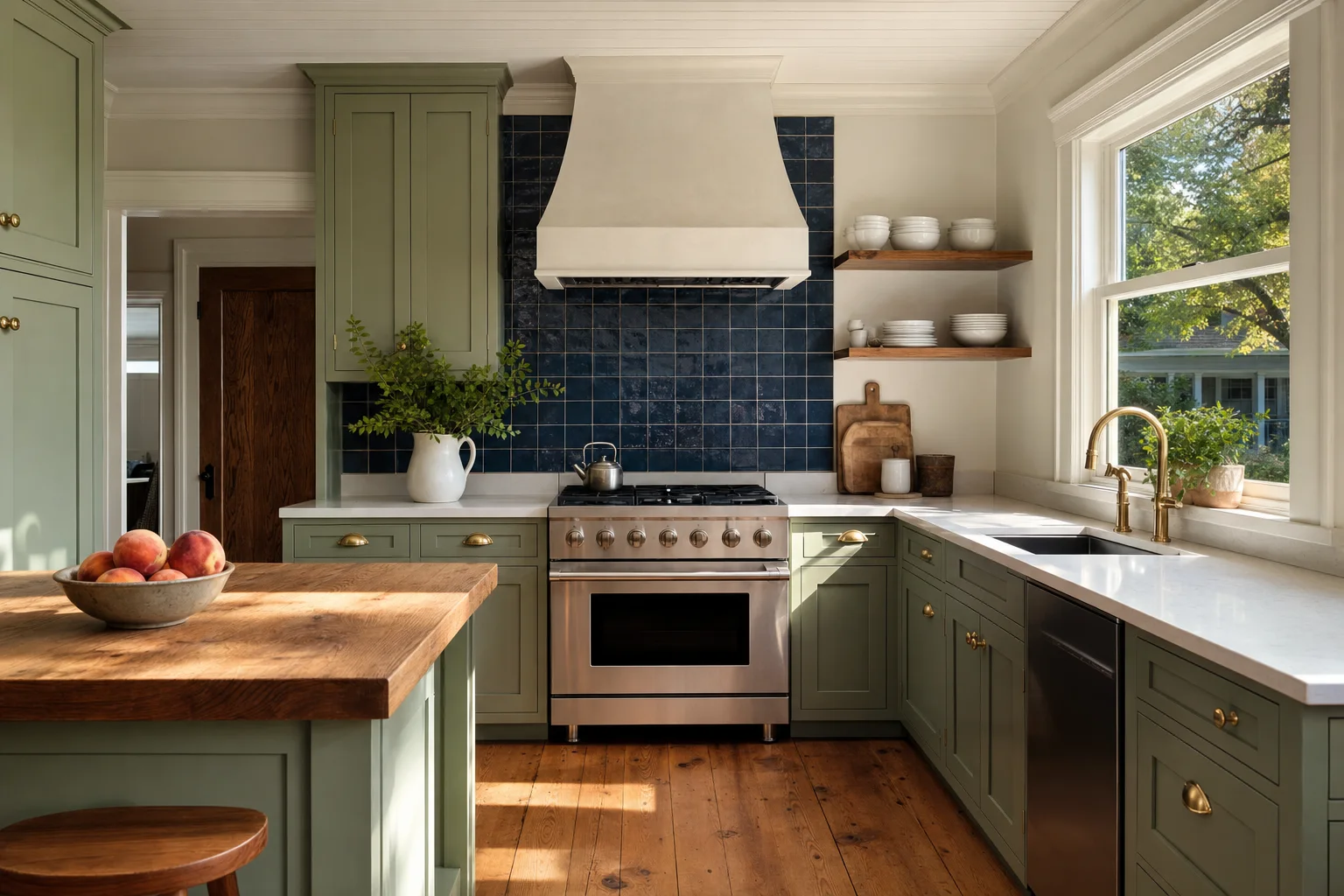
Illustrative image Kitchen Remodeling
Kitchen remodels that update the layout, cabinets, counters, lighting and finishes, planned around how you cook and use the room.
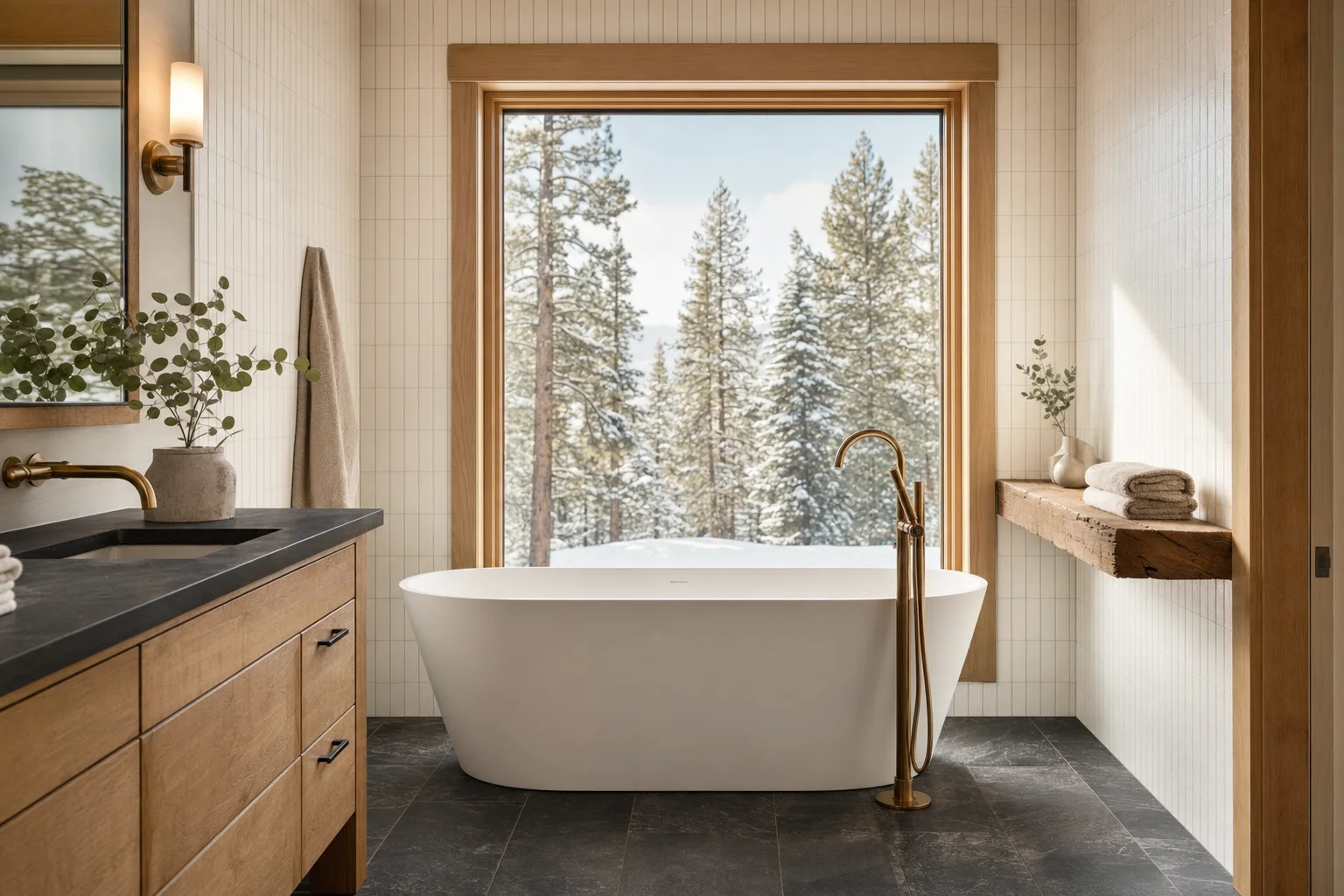
Illustrative image Bathroom Remodeling
Bathroom remodels built on sound waterproofing and ventilation, with fixtures and finishes that fit who uses the room.
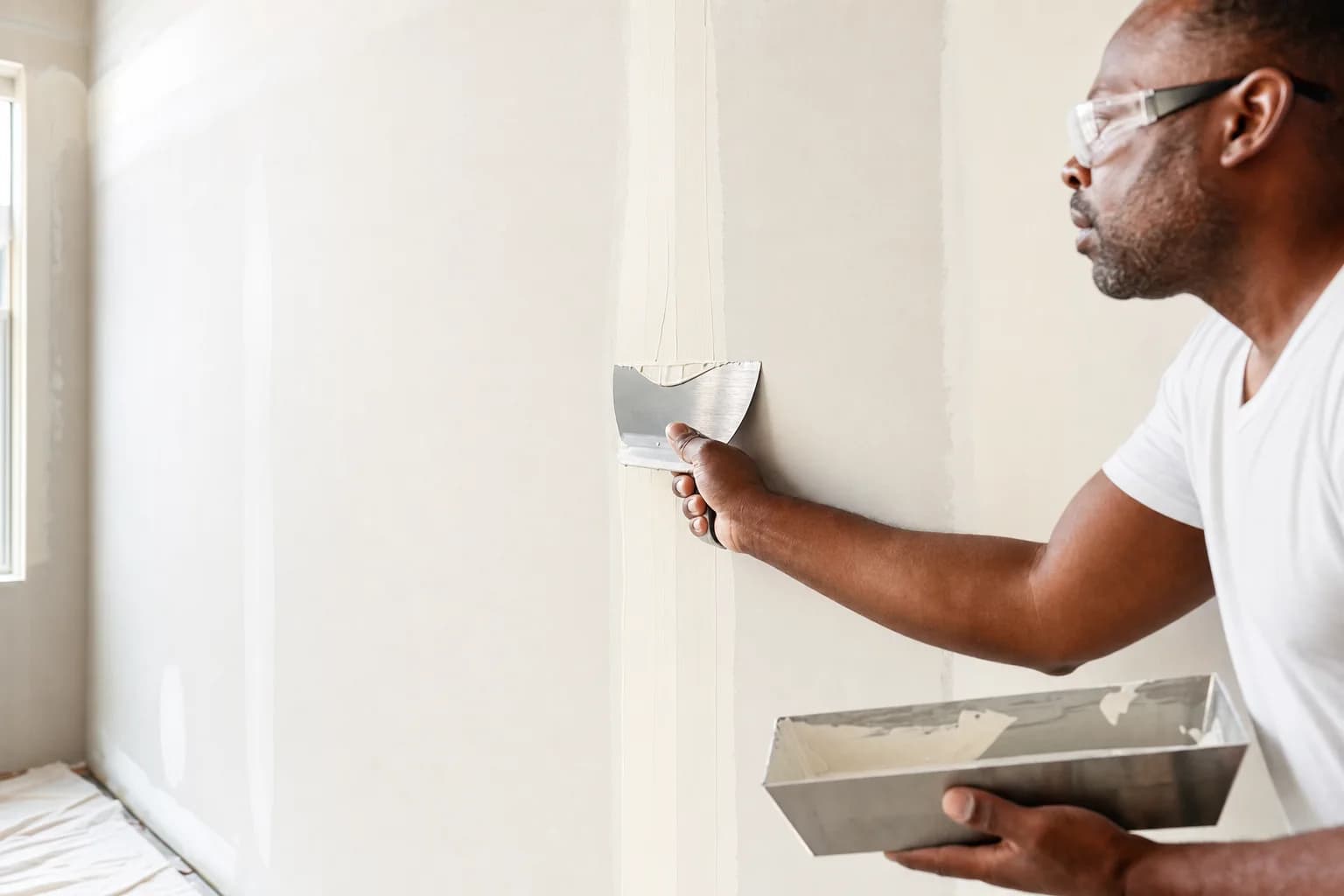
Illustrative image Repairs & Maintenance
Planned repair visits for the small and mid-size problems that build up in a home or building, from sticking doors to rotted trim and loose railings.
Inspiration
Design inspiration for Idaho projects
Styles, materials and layouts suited to Idaho homes and businesses, to help you picture your own project.
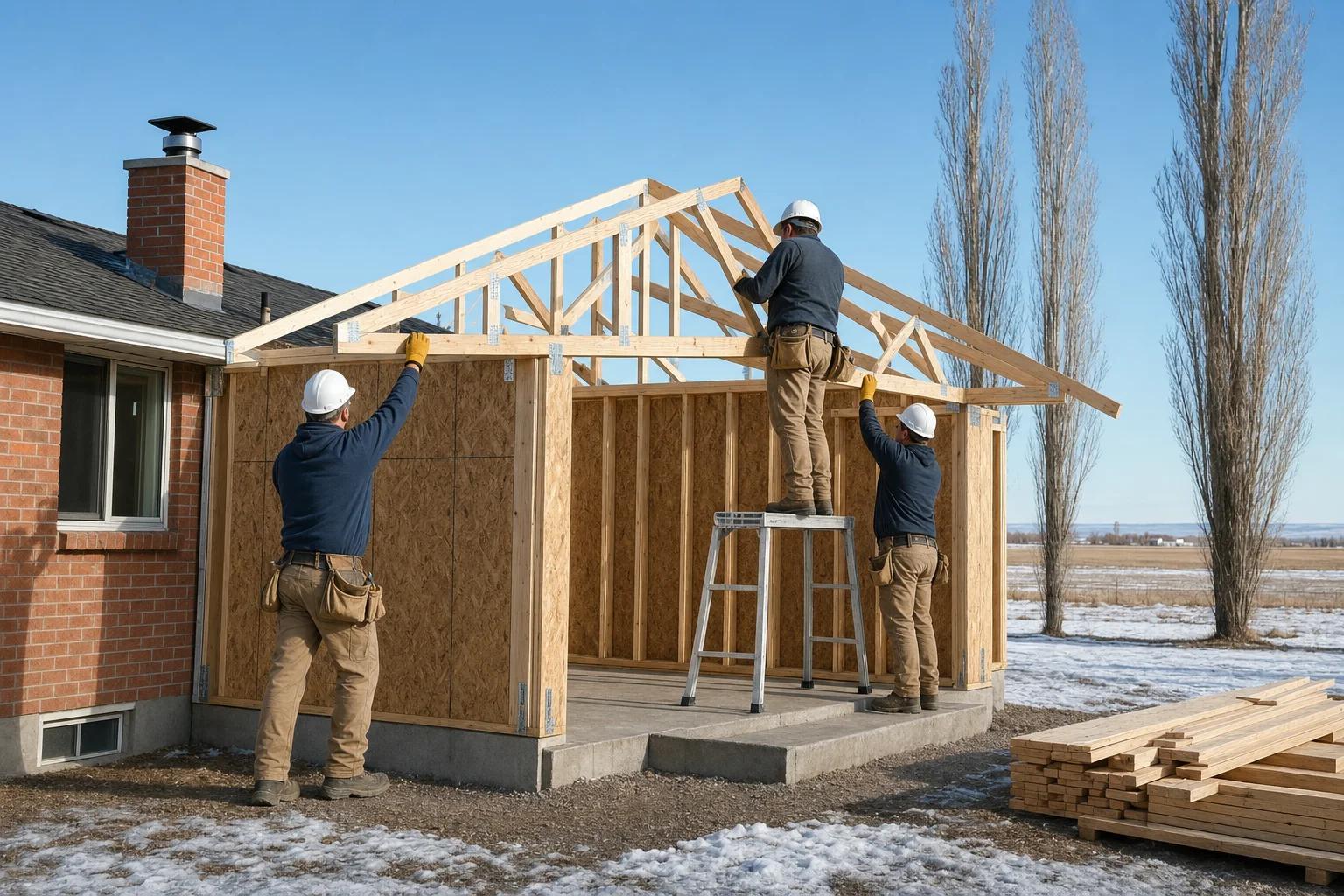
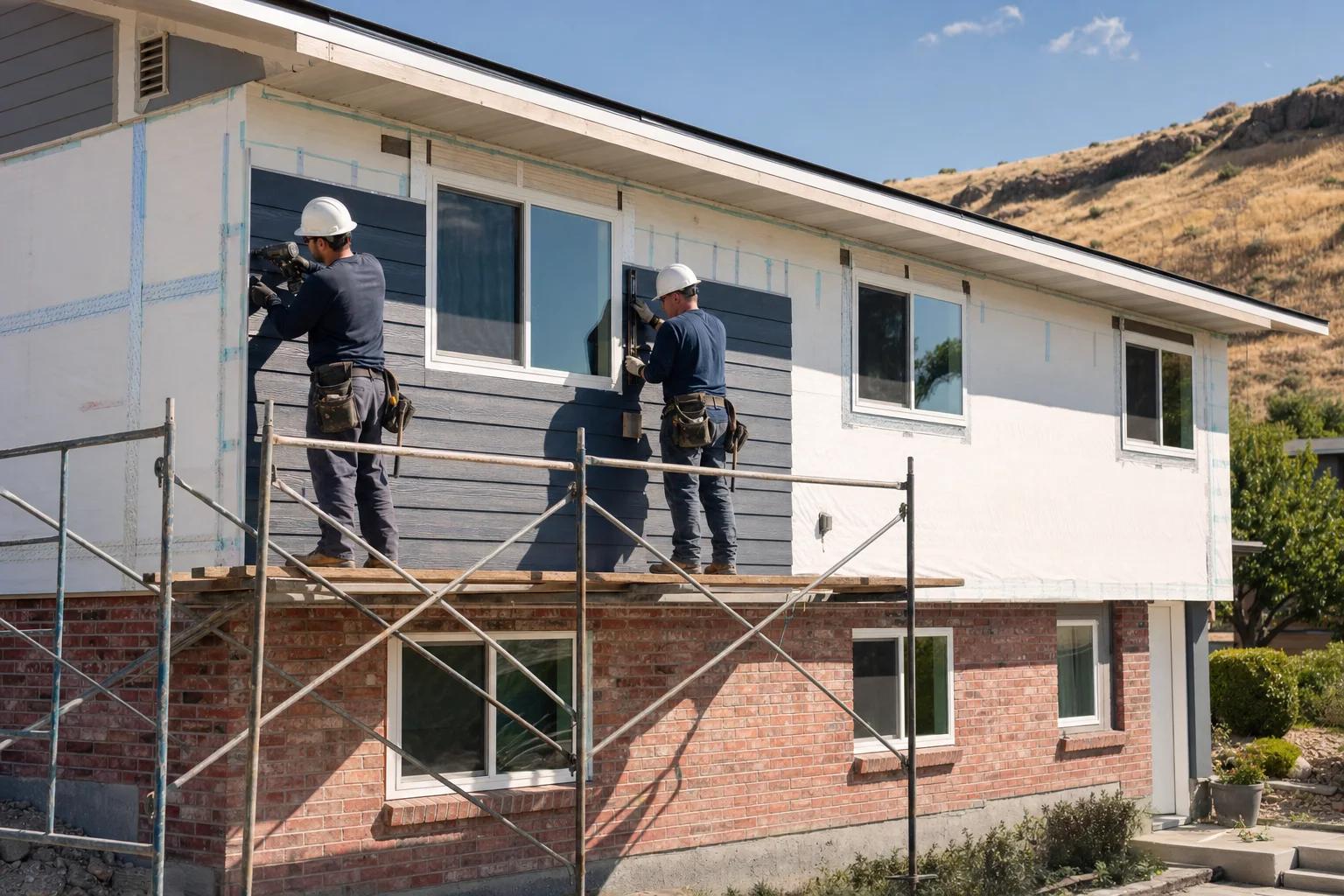
Images are illustrative and created for this website. They are not photographs of completed customer projects.
How it works
Our Simple 4-Step Process
- 1
Consult
Tell us about your project and goals. We review the location, scope and any constraints.
- 2
Plan
We define the scope in writing, confirm selections and identify permits the work may need.
- 3
Build
Work proceeds against the agreed plan, with updates when decisions or changes come up.
- 4
Enjoy
We walk through the finished work with you and hand over care and warranty information.
Questions
Idaho Project FAQs
Do I need a permit to remodel a kitchen or bathroom in Idaho?
It depends on the city and the scope. In Boise, cabinets, countertops, flooring and painting are exempt, but opening walls to the framing, building walls or relocating plumbing fixtures needs a building permit, and replacing bathroom fixtures usually needs a plumbing permit. Other cities publish their own lists, so the permit scope is confirmed with your local building department during planning.
How do I check a contractor's registration in Idaho?
Contractors doing jobs over $2,000 in materials and labor must register with the Idaho Contractors Board unless exempt. Use DOPL's public search to confirm the registration and look for formal actions, and check that the registration number appears on the contract and permit. Electricians, plumbers and HVAC installers work under separate state licenses, so confirm those licenses as well.
Why do snow load requirements differ between Idaho cities?
Ground snow load varies by location. Idaho Falls, for example, calculates its value from the city's 4,710-foot elevation. The University of Idaho notes that final design loads rest with the engineer, architect, local building official or contractor. Meridian's published criteria list 20 psf, Idaho Falls lists 47.1 psf with a historical 30 psf minimum roof snow load, and Coeur d'Alene lists 60 psf ground and 40 psf roof. Roof framing, additions and rooftop equipment are designed to the loads your jurisdiction uses.
Which energy code applies to a new home or addition in Idaho?
Idaho uses the Idaho Energy Conservation Code, based on the 2018 IECC with state amendments, in effect since January 1, 2021. Most of southwest and north Idaho is in climate zone 5B, while eastern counties such as Bonneville and Bannock are in zone 6B. The zone affects insulation, window and air-sealing requirements.
Can a homeowner pull their own electrical permit in Idaho?
DOPL lets homeowners buy an electrical permit only when they personally do the work on their own primary or secondary residence or related outbuildings, and homeowner permits are not valid for commercial buildings. Cities that issue their own permits have their own rules; Boise, for example, requires a homeowner acting as their own subcontractor to physically perform the permitted work.
What should I have ready before planning a new home or addition in Idaho?
Start with the property address, a rough scope and any homeowners association rules. Local plan checklists show what a permit submittal needs. Pocatello's residential checklist, for example, asks for a plot plan, floor plans, an energy form and footing and foundation details, plus a floodplain determination, a drainage plan and wildland-urban interface fire access. The state health department notes that radon-resistant features are easiest to install during construction.
Sources (13)
- Idaho Division of Occupational and Professional Licenses (DOPL), Building Program · checked 2026-09-24
- U.S. Department of Energy, Building Energy Codes Program · checked 2026-09-24
- U.S. Department of Energy, Building America (Guide to Determining Climate Regions by County) · checked 2026-09-24
- University of Idaho Library and Department of Civil Engineering · checked 2026-09-24
- Idaho Department of Health and Welfare · checked 2026-09-24
- Idaho Contractors Board, Idaho Division of Occupational and Professional Licenses · checked 2026-09-24
- Idaho Contractors Board, Idaho Division of Occupational and Professional Licenses · checked 2026-09-24
- Idaho Division of Occupational and Professional Licenses, Electrical Program · checked 2026-09-24
- City of Boise Planning and Development Services, Building Division · checked 2026-09-24
- City of Meridian Community Development, Building Services · checked 2026-09-24
- City of Idaho Falls Building Department · checked 2026-09-24
- City of Coeur d'Alene Building Services Department · checked 2026-09-24
- City of Pocatello Development Services Center · checked 2026-09-24
Local resources
Planning guides for Idaho
Ready to Start Your Idaho Project?
Tell us what you are planning and where. We'll confirm availability for your address and follow up to talk through scope and next steps.