
Illinois Construction Pros
Construction & Remodeling Experts in Illinois
Illinois Construction Pros plans and builds kitchen and bathroom remodels, roofing, repairs, new homes and commercial projects for Illinois property owners. Conditions change a lot from north to south: northern Illinois averages about 36 inches of snow a year, while the far south gets less than 10 inches and sits closer to the state's main earthquake zones. Many buildings are old, too, with about one in five Illinois housing units built before 1940. Every project starts by confirming the local code, the permit path and whether we can serve your address.
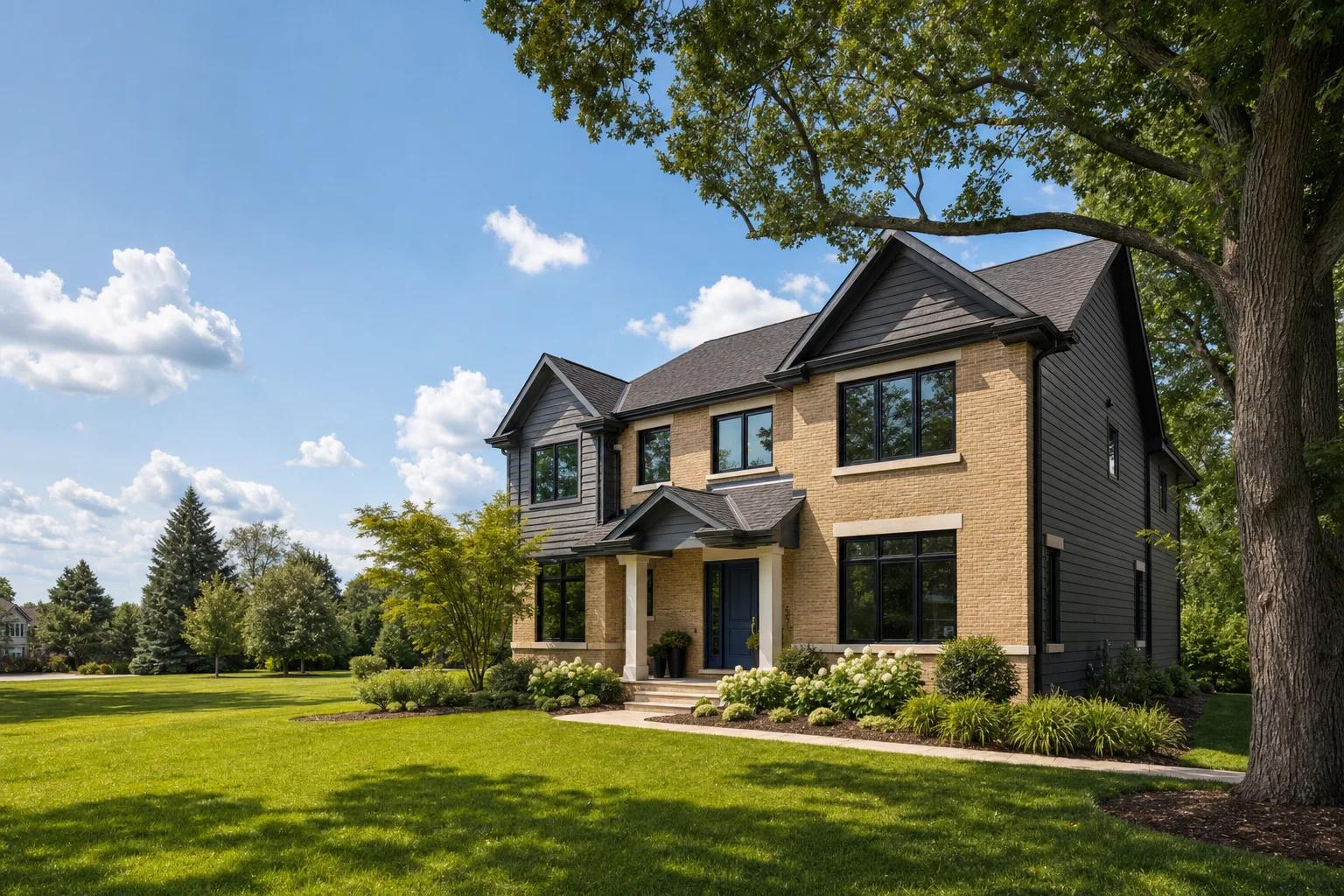
Illinois
Construction Pros
Remodeling, roofing, repairs and new construction planned around Illinois codes, permits and four-season weather.
Serving communities across Illinois
Service areasBuilding in Illinois
What shapes a project in Illinois
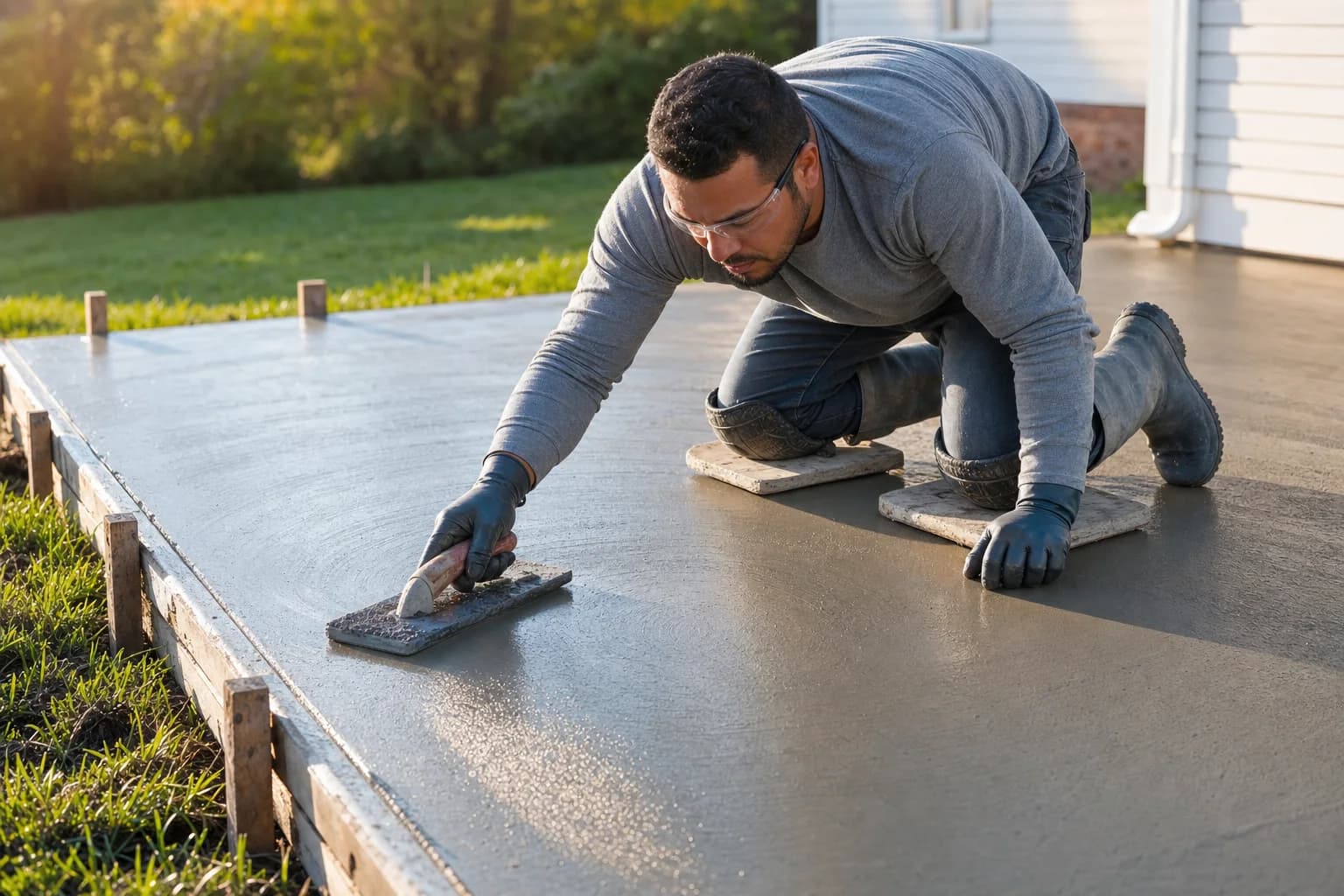
Local building codes with a state baseline
Illinois cities, villages and counties adopt their own building codes. When they adopt or amend one, they must report the code, its edition and local amendments to the Capital Development Board at least 30 days before it takes effect. Starting January 1, 2025, Public Act 103-0510 requires local codes to regulate structural design at least as strictly as the International Residential Code for homes, the IBC for new commercial buildings and the IEBC for existing ones. For a new home where no local residential code exists, the Illinois Residential Building Code Act lets the builder and buyer agree on a code. If they do not, the IRC, the state energy code and the state plumbing code apply by law.
Statewide energy and plumbing codes
The Illinois Energy Conservation Code applies to residential buildings and privately funded commercial buildings across the state. The current version, based on the 2024 IECC with Illinois amendments, took effect for permit applications on November 30, 2025. Local governments generally cannot make residential energy rules weaker or stricter. The exceptions include municipalities with 1,000,000 or more people and towns that adopt the Illinois Stretch Energy Code. The Illinois Plumbing Code also applies statewide.
Two climate zones, snow and frost
Illinois spans energy-code climate zones 4A and 5A. A county list on the Department of Energy's OpenEI site places southern counties such as St. Clair and Jackson in zone 4A. Average snowfall runs from about 36 inches a year in the north, heaviest around Chicago because of lake-effect snow, to less than 10 inches in the far south. In a 1980 to 1996 study, the deepest observed frost depths ranged from 5 inches in far southern Illinois to 30 inches in far northern Illinois.
Spring storms and southern seismic risk
Illinois averaged 54 tornadoes a year from 1991 to 2020, with 63% of them from April through June, and average hail days range from about 3.3 a year in the southwest to fewer than 1.8 in the northeast. In 2026 the State Climatologist counted 210 tornadoes by the start of September and recorded a state-record 6.6-inch hailstone near Kankakee in March. Southern and southeastern Illinois sit closest to the New Madrid and Wabash Valley seismic zones.
Older housing, and radon rules for new homes
About one in five Illinois housing units was built before 1940, and the statewide median year built is 1971, based on Census estimates for 2020 to 2024. Single-family detached homes make up about 58% of units. For new homes, state law has required passive radon-resistant construction in single-family homes and dwellings with two or fewer units since June 1, 2013.
Sources (14)
- Illinois Capital Development Board · checked 2026-09-24
- Illinois Capital Development Board · checked 2026-09-24
- Illinois General Assembly (20 ILCS 3125/45, Energy Efficient Building Act) · checked 2026-09-24
- EnergySense Resilience Center, University of Illinois System · checked 2026-09-24
- OpenEI (U.S. Department of Energy / NREL), based on ASHRAE 169-2006 · checked 2026-09-24
- Illinois General Assembly (815 ILCS 670, Illinois Residential Building Code Act) · checked 2026-09-24
- Illinois General Assembly (420 ILCS 52, Radon Resistant Construction Act) · checked 2026-09-24
- Ready Illinois (Illinois Emergency Management Agency and Office of Homeland Security) · checked 2026-09-24
- Illinois State Climatologist, Illinois State Water Survey · checked 2026-09-24
- Illinois State Climatologist, Illinois State Water Survey · checked 2026-09-24
- Illinois State Climatologist, Illinois State Water Survey · checked 2026-09-24
- Illinois State Climatologist, Illinois State Water Survey · checked 2026-09-24
- U.S. Census Bureau, American Community Survey 2020-2024 5-year estimates (tables B25035, B25034), via Census Reporter · checked 2026-09-24
- U.S. Census Bureau, American Community Survey 2020-2024 5-year estimates (table B25024), via Census Reporter · checked 2026-09-24
Licensing & permits
Verify any contractor in Illinois
Contractor licensing
Illinois Department of Financial and Professional Regulation (roofing) and Illinois Department of Public Health (plumbing)
Illinois licenses some trades at the state level, including roofing and plumbing. The Home Repair and Remodeling Act does not create a license. It sets contract, disclosure and insurance rules for home repair and remodeling work, including a written contract for jobs over $1,000 and the 'Home Repair: Know Your Consumer Rights' pamphlet. Roofing contractors must hold a state license from IDFPR: a limited license covers residential properties of 8 units or less, and an unlimited license also covers commercial and industrial properties. IDPH licenses plumbers, and plumbing contractors must register with the state. Local rules vary; Rockford, for example, states that general contractors are not required to be licensed. Before you hire anyone, check roofing licenses with IDFPR's License Look Up, plumbing licenses with IDPH's verification tool, and ask your city whether it licenses or registers contractors.
Check a contractor’s status (opens the official Illinois site in a new tab)Building permits
Permits in Illinois
Building codes and permits in Illinois are handled locally. Each city, village or county that adopts a building code reports it to the Capital Development Board, while the state energy and plumbing codes apply everywhere. What needs a permit varies from town to town: Naperville does not require a permit to put an asphalt shingle roof on a single-family home when the existing sheathing stays in place, while Rockford requires permits for all roofing work. We confirm the permit path with the local office during planning, before any work is scheduled.
Sources (8)
- Illinois Capital Development Board · checked 2026-09-24
- Illinois General Assembly (815 ILCS 513, Home Repair and Remodeling Act) · checked 2026-09-24
- Illinois General Assembly (225 ILCS 335, Illinois Roofing Industry Licensing Act) · checked 2026-09-24
- Illinois Department of Financial and Professional Regulation · checked 2026-09-24
- Illinois Department of Financial and Professional Regulation · checked 2026-09-24
- Illinois Department of Public Health · checked 2026-09-24
- City of Naperville · checked 2026-09-24
- City of Rockford · checked 2026-09-24
Our services
Construction & Remodeling Services in Illinois

Illustrative image Kitchen Remodeling
Kitchen remodels that update the layout, cabinets, counters, lighting and finishes, planned around how you cook and use the room.

Illustrative image Bathroom Remodeling
Bathroom remodels built on sound waterproofing and ventilation, with fixtures and finishes that fit who uses the room.
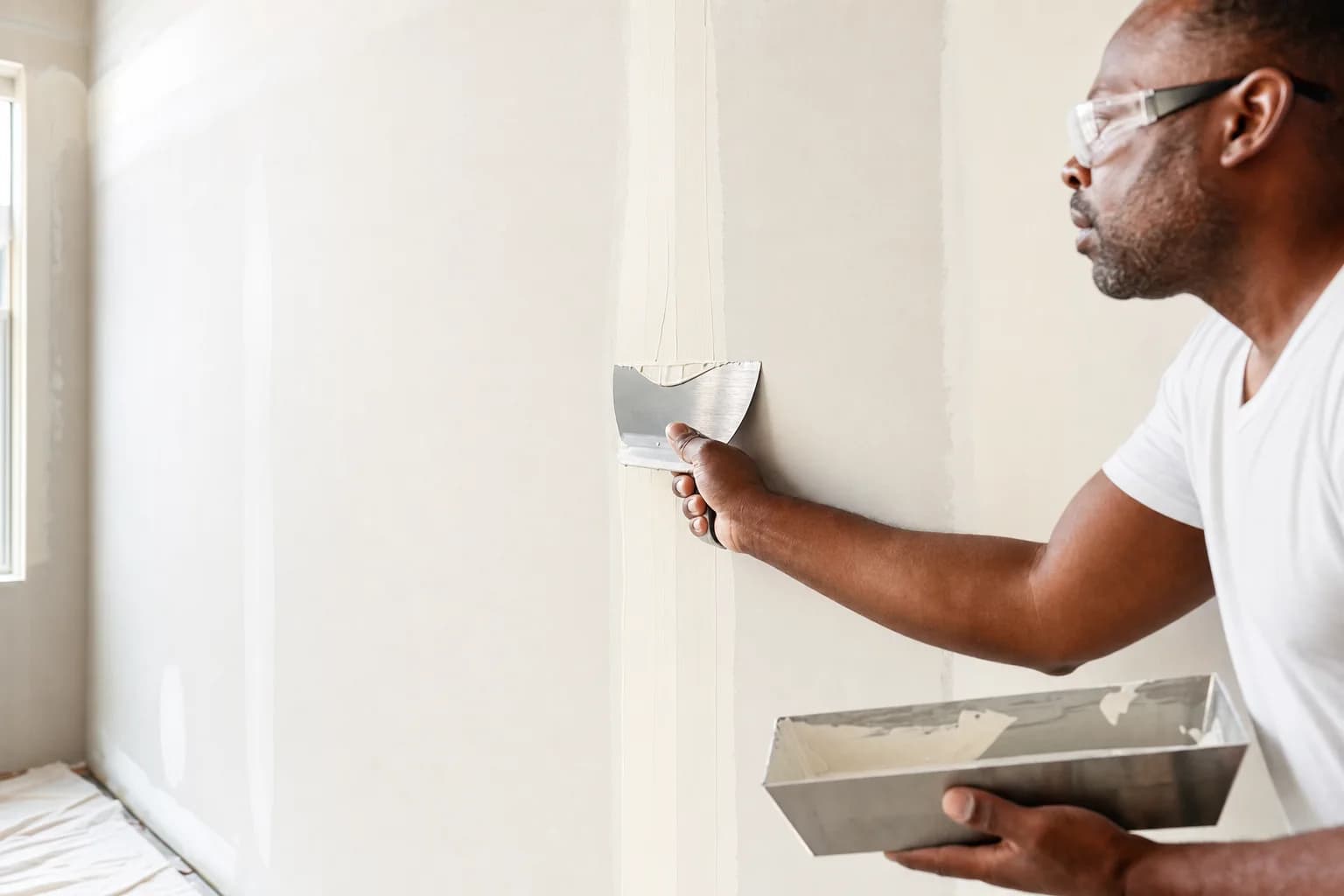
Illustrative image Repairs & Maintenance
Planned repair visits for the small and mid-size problems that build up in a home or building, from sticking doors to rotted trim and loose railings.
Inspiration
Design inspiration for Illinois projects
Styles, materials and layouts suited to Illinois homes and businesses, to help you picture your own project.
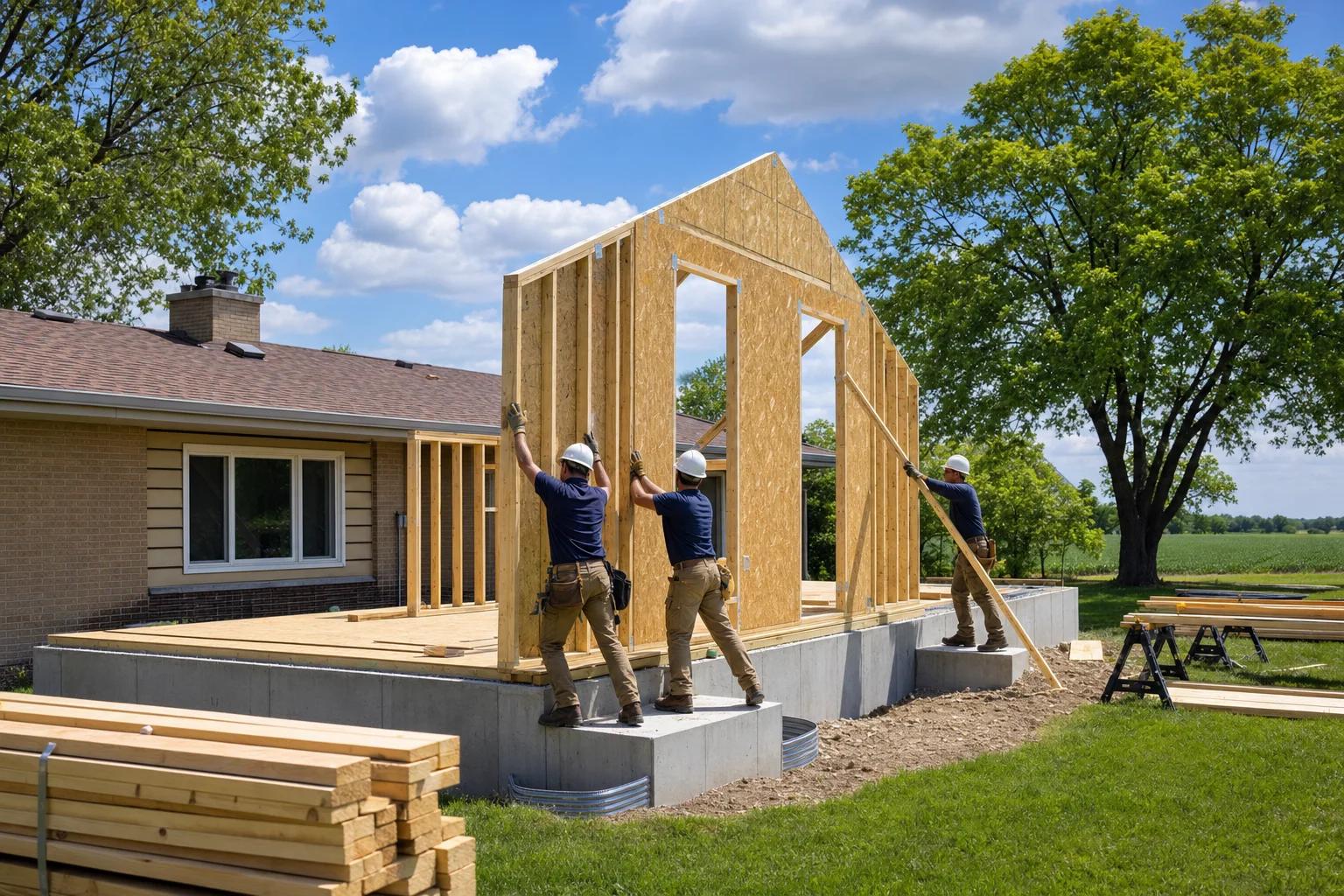
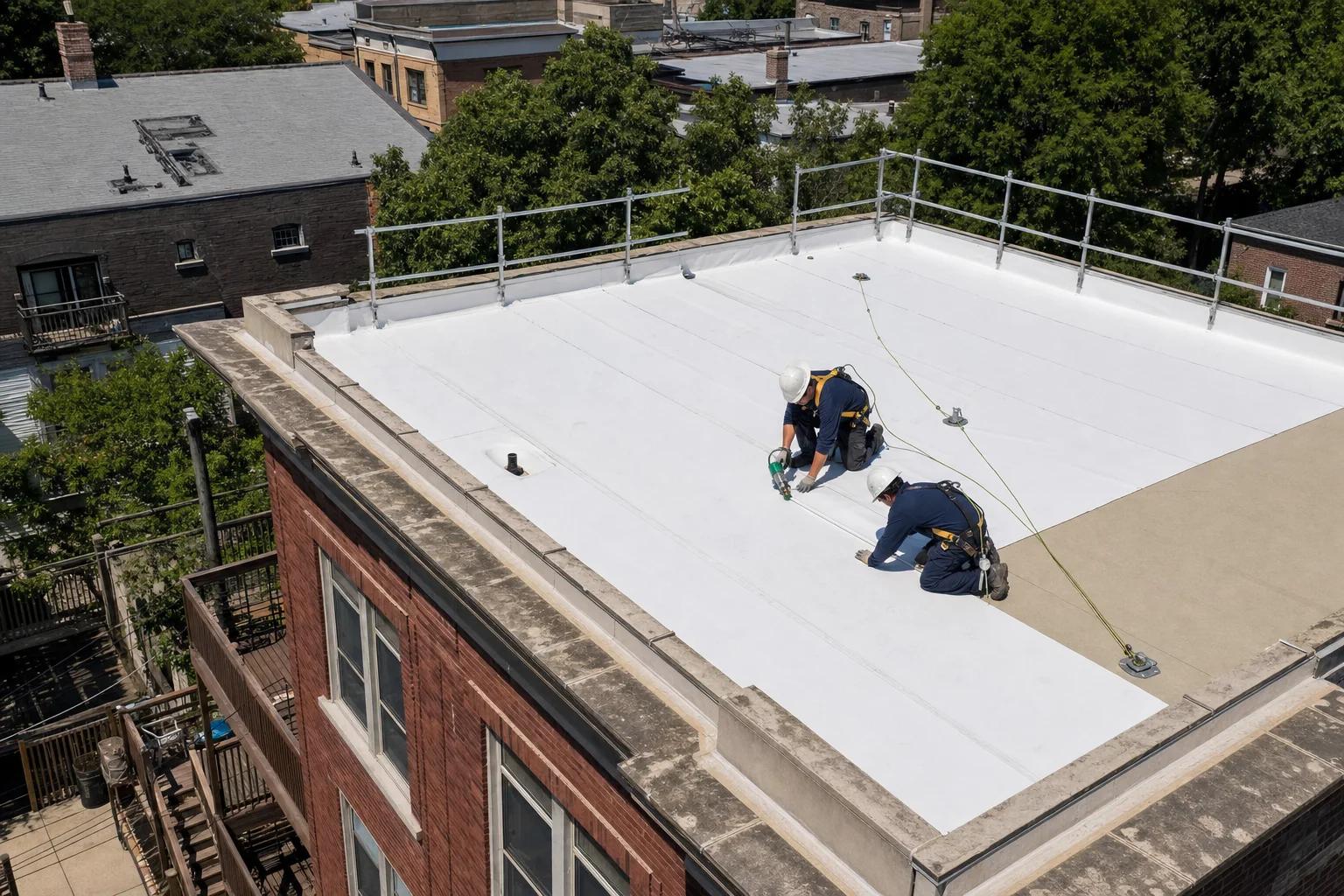
Images are illustrative and created for this website. They are not photographs of completed customer projects.
How it works
Our Simple 4-Step Process
- 1
Consult
Tell us about your project and goals. We review the location, scope and any constraints.
- 2
Plan
We define the scope in writing, confirm selections and identify permits the work may need.
- 3
Build
Work proceeds against the agreed plan, with updates when decisions or changes come up.
- 4
Enjoy
We walk through the finished work with you and hand over care and warranty information.
Questions
Illinois Project FAQs
Do I need a written contract for a remodeling job in Illinois?
For home repair or remodeling work over $1,000, the Home Repair and Remodeling Act requires the contractor to give you a written contract to sign before work starts, along with the 'Home Repair: Know Your Consumer Rights' pamphlet. The contractor must also tell you before you sign if the contract includes binding arbitration or a jury-trial waiver, and you can accept or reject each one.
How do I check a roofer's or plumber's license in Illinois?
Roofing contractors must be licensed by IDFPR, and the license number must appear on their contracts, bids and advertising. Search the company or person on IDFPR's License Look Up. Plumbers are licensed by IDPH and plumbing contractors register with the state; IDPH offers a plumbing license verification tool.
Which energy code applies to my Illinois project?
Most of Illinois follows the Illinois Energy Conservation Code, based on the 2024 IECC with state amendments, for permit applications filed on or after November 30, 2025. State law lets a municipality of 1,000,000 or more people, such as Chicago, and towns that adopt the Illinois Stretch Energy Code set stricter residential energy rules. We confirm the code with your local building department.
When should I schedule exterior work in Illinois?
Plan around frost and storms. The average last spring freeze ranges from April 7 in the south to April 28 in the north, and the first fall freeze from October 7 in the north to October 21 in the south. Spring is also peak storm season, with 63% of Illinois tornadoes from April through June. Settle materials and permits in winter so exterior work can start when the weather allows.
Does a historic district or HOA need to approve my project?
It can, especially for exterior work. Belleville requires a design review application for exterior improvements in its three local historic districts, and Peoria requires a Certificate of Appropriateness for changes to homes in its historic districts. HOA and condo rules are private, so read your association's documents and get any approval in writing before materials are ordered.
Do new homes in Illinois need radon-resistant construction?
Yes. Since June 1, 2013, state law has required passive radon-resistant construction in all new single-family homes and new dwellings with two or fewer units. It is part of the foundation work, so it belongs in the plans from the start.
Sources (14)
- Illinois Capital Development Board · checked 2026-09-24
- Illinois General Assembly (20 ILCS 3125/45, Energy Efficient Building Act) · checked 2026-09-24
- EnergySense Resilience Center, University of Illinois System · checked 2026-09-24
- Illinois General Assembly (815 ILCS 513, Home Repair and Remodeling Act) · checked 2026-09-24
- Illinois General Assembly (225 ILCS 335, Illinois Roofing Industry Licensing Act) · checked 2026-09-24
- Illinois Department of Financial and Professional Regulation · checked 2026-09-24
- Illinois Department of Financial and Professional Regulation · checked 2026-09-24
- Illinois Department of Public Health · checked 2026-09-24
- Illinois General Assembly (420 ILCS 52, Radon Resistant Construction Act) · checked 2026-09-24
- Illinois State Climatologist, Illinois State Water Survey · checked 2026-09-24
- Illinois State Climatologist, Illinois State Water Survey · checked 2026-09-24
- U.S. Census Bureau, American Community Survey 2020-2024 5-year estimates (tables B25035, B25034, B25024, B25003), via Census Reporter · checked 2026-09-24
- City of Peoria · checked 2026-09-24
- City of Belleville · checked 2026-09-24
Local resources
Planning guides for Illinois
Ready to Start Your Illinois Project?
Tell us what you are planning and where. We'll confirm availability for your address and follow up to talk through scope and next steps.