Pennsylvania Construction Pros
Construction & Remodeling Experts in Pennsylvania
Pennsylvania Construction Pros plans and builds kitchen and bathroom remodels, roofing, repairs, commercial projects and new homes for Pennsylvania homeowners and businesses. More than half of the state's housing is over 50 years old, so many projects start with what is behind the walls: dated wiring and plumbing, lead paint in homes built before 1978, and water damage. Work is planned to the 2021 codes that the Uniform Construction Code began using on January 1, 2026, and to the ground and weather conditions of each region. Service in your area is still being confirmed, so we check your project address before anything is scheduled.
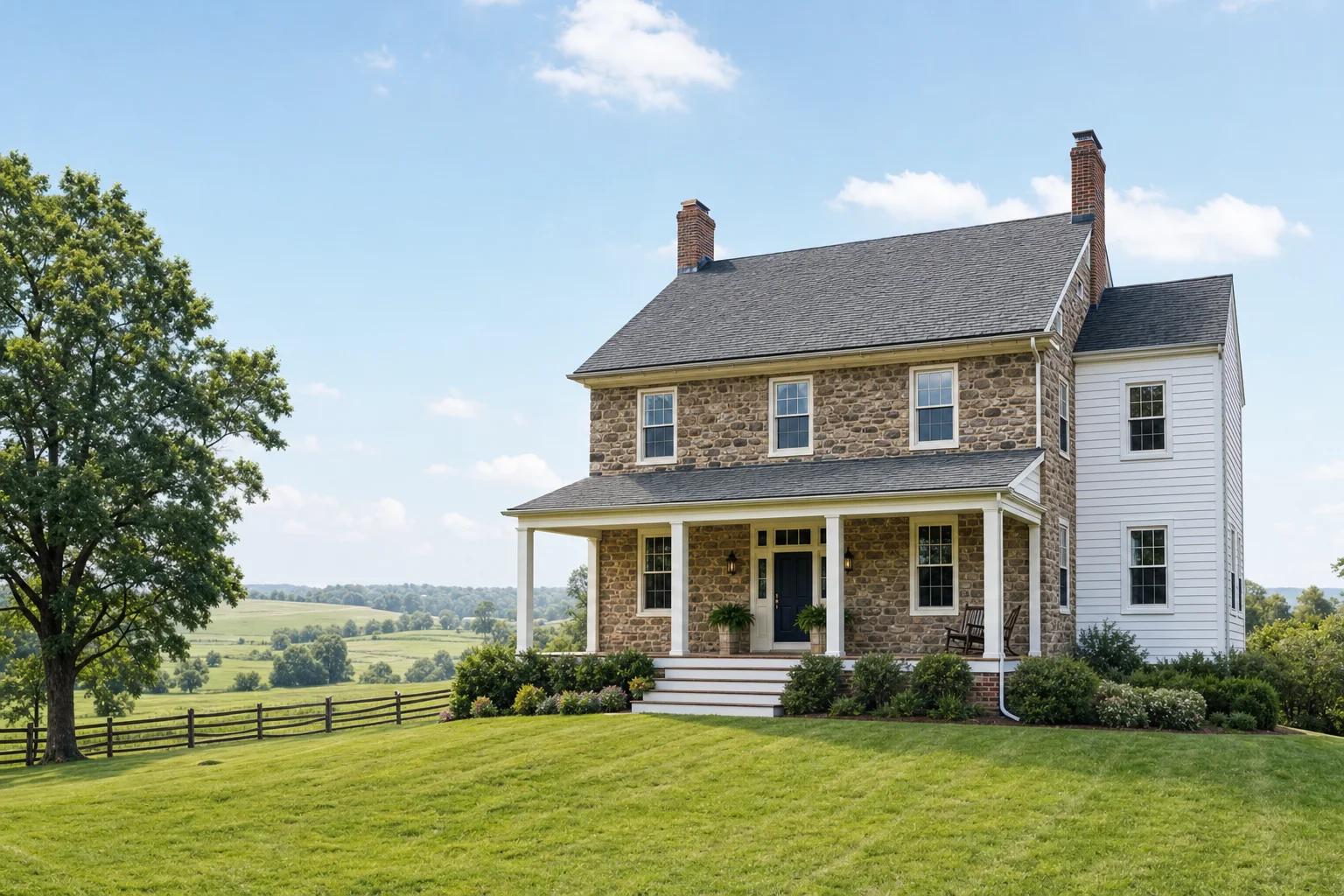
Pennsylvania
Construction Pros
Remodeling, roofing, repairs and new construction planned around Pennsylvania's codes, climate and older homes.
Serving communities across Pennsylvania
Service areasBuilding in Pennsylvania
What shapes a project in Pennsylvania

One statewide code, enforced locally
Pennsylvania's Uniform Construction Code (UCC) applies statewide, and it moved to the 2021 International Codes, as amended by the state's Review and Advisory Council, on January 1, 2026. Accessibility rules stay at the 2018 edition because a 2022 court ruling blocked the 2021 accessibility updates. More than 90% of the state's 2,562 municipalities enforce the UCC themselves, using their own staff or certified third-party agencies. Philadelphia also keeps its own administrative code as a local part of the UCC.
Two energy-code climate zones
Under the 2021 IECC, 14 southern and southeastern counties are in climate zone 4A. They include Philadelphia, Bucks, Chester, Delaware, Montgomery, Berks, Lancaster, York and Dauphin. Every other county is in zone 5A, including eight northern counties that the 2021 edition moved from zone 6 to zone 5. The zone sets the insulation, window and air-sealing targets for new homes and additions, so confirm it for your county early in design.
An older housing stock
State housing officials report that more than half of Pennsylvania's homes are over 50 years old, which raises repair and upkeep needs. In homes built before 1978, federal rules require renovation firms that disturb painted surfaces to be certified and to follow lead-safe work practices. Plan time and budget for conditions found once walls, floors or ceilings are opened.
Ground conditions: karst, landslides and old mines
Sinkholes form in areas underlain by limestone and dolostone, and state geologists have mapped karst features county by county, including Lancaster and Lehigh. Southwestern Pennsylvania has by far the highest concentration of landslides. Coal deposits and abandoned mines exist in 43 of the state's 67 counties, and standard homeowner's insurance usually does not cover mine subsidence. Check these conditions before foundation work, additions or new construction.
Radon and flooding
About 40% of Pennsylvania homes tested for radon are above the EPA action guideline of 4 picocuries per liter, and testing is the only way to know a home's level. Test for radon before finishing a basement. FEMA's Flood Map Service Center is the official source of flood hazard maps, so check your address there before planning additions, basements or mechanical equipment locations.
Sources (14)
- Pennsylvania Department of Labor & Industry · checked 2026-09-24
- Pennsylvania Housing Research Center, Penn State · checked 2026-09-24
- City of Philadelphia Department of Licenses and Inspections · checked 2026-09-24
- Pacific Northwest National Laboratory (U.S. Department of Energy) · checked 2026-09-24
- Pennsylvania Department of Community & Economic Development · checked 2026-09-24
- U.S. Environmental Protection Agency · checked 2026-09-24
- Pennsylvania Department of Conservation and Natural Resources · checked 2026-09-24
- Pennsylvania Geological Survey (DCNR) · checked 2026-09-24
- Pennsylvania Geological Survey (DCNR) · checked 2026-09-24
- Pennsylvania Department of Conservation and Natural Resources · checked 2026-09-24
- Pennsylvania Department of Environmental Protection · checked 2026-09-24
- Pennsylvania Department of Environmental Protection · checked 2026-09-24
- Pennsylvania Department of Environmental Protection · checked 2026-09-24
- Federal Emergency Management Agency · checked 2026-09-24
Licensing & permits
Verify any contractor in Pennsylvania
Contractor licensing
Pennsylvania Office of Attorney General (Home Improvement Consumer Protection Act)
Pennsylvania's statewide rule for home improvement contractors is registration, not a license. Contractors who do at least $5,000 of home improvement work per year must register with the Office of Attorney General, and registration is not an endorsement of a contractor's skill. New home construction is excluded from the act. Some cities add their own requirements: Philadelphia requires trade licenses for plumbers, electricians, fire suppression and complete demolition contractors, and a city contractor license for most work beyond existing one- and two-family homes. Pittsburgh requires a General Contractor license for commercial work, new one- and two-family homes, and renovations to rental or investment homes. Before hiring anyone, check the contractor's registration in the Attorney General's public search and any license your city requires.
Check a contractor’s status (opens the official Pennsylvania site in a new tab)Building permits
Permits in Pennsylvania
Building permits in Pennsylvania are issued locally. Most municipalities administer the Uniform Construction Code with their own staff or certified third-party agencies. Where a municipality has opted out, the Department of Labor & Industry handles commercial code enforcement and certified third-party agencies handle residential work. Philadelphia issues permits through its Department of Licenses and Inspections under the UCC and its own administrative code. What needs a permit depends on the municipality and the scope of work, so Pennsylvania Construction Pros confirms the permit path with the local code office during planning, before work is scheduled.
Sources (8)
- Pennsylvania Department of Labor & Industry · checked 2026-09-24
- City of Philadelphia Department of Licenses and Inspections · checked 2026-09-24
- Pennsylvania Office of Attorney General · checked 2026-09-24
- Pennsylvania Office of Attorney General · checked 2026-09-24
- Pennsylvania Office of Attorney General · checked 2026-09-24
- City of Philadelphia Department of Licenses and Inspections · checked 2026-09-24
- City of Philadelphia Department of Licenses and Inspections · checked 2026-09-24
- City of Pittsburgh Department of Permits, Licenses, and Inspections · checked 2026-09-24
Our services
Construction & Remodeling Services in Pennsylvania
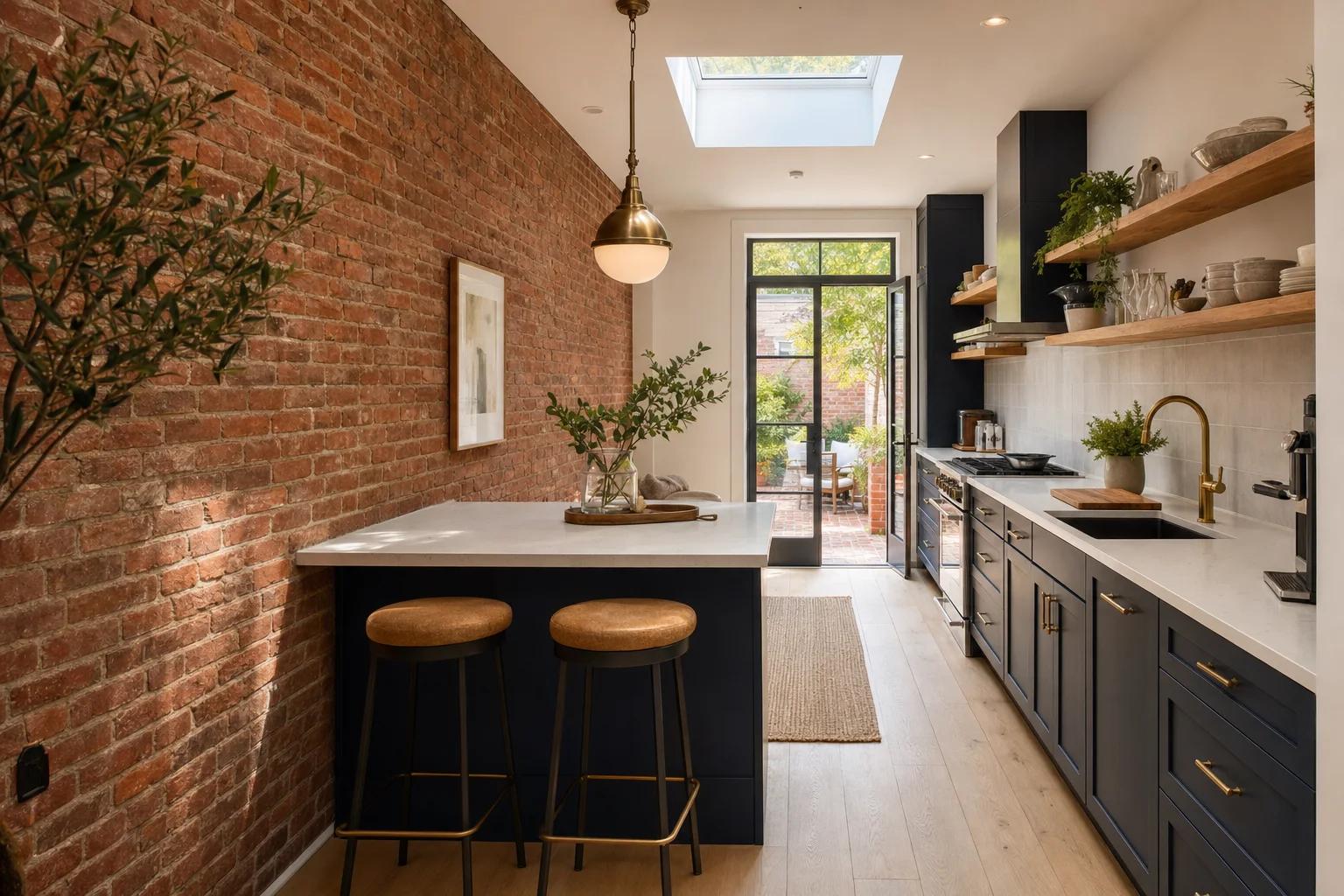
Illustrative image Kitchen Remodeling
Kitchen remodels that update the layout, cabinets, counters, lighting and finishes, planned around how you cook and use the room.
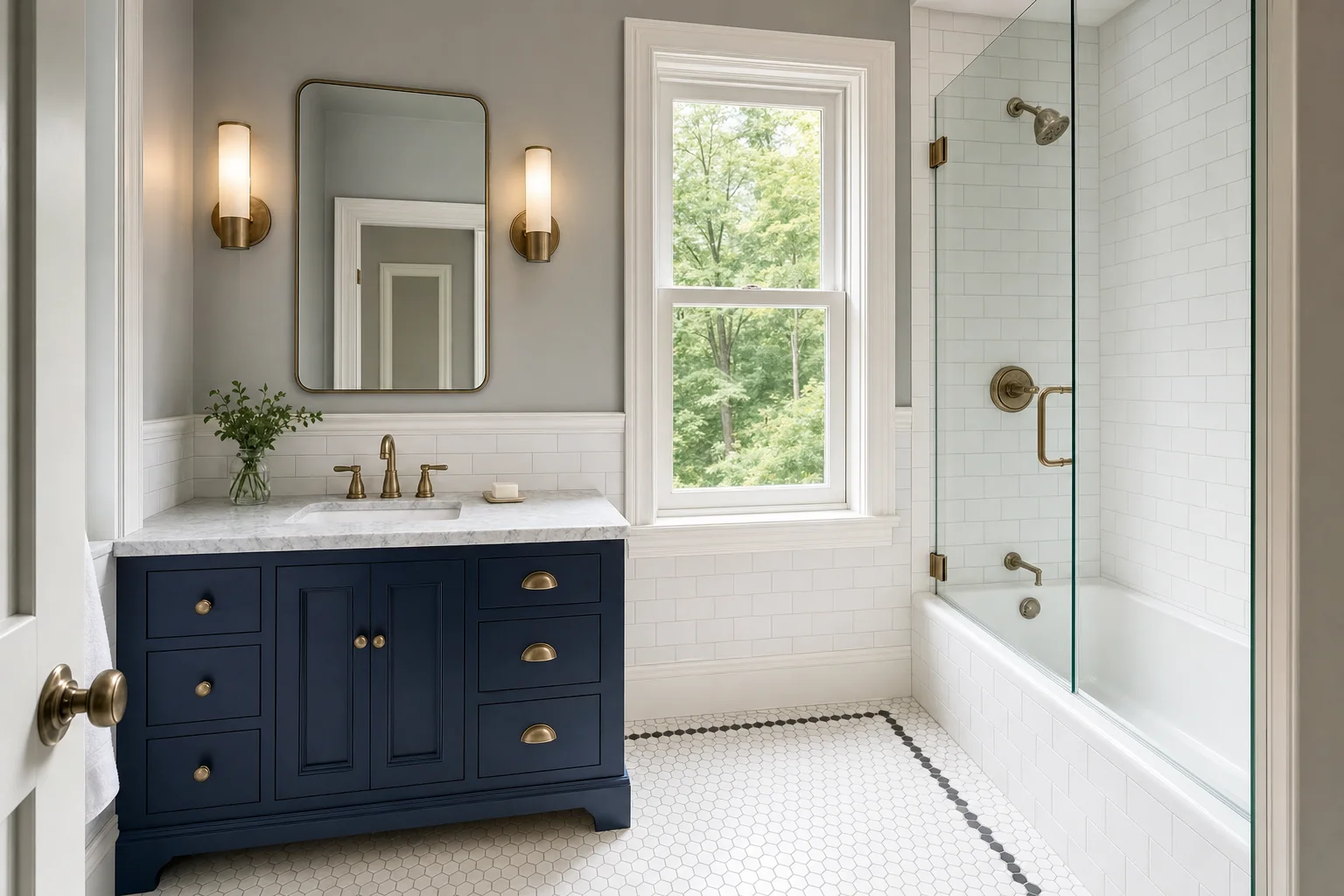
Illustrative image Bathroom Remodeling
Bathroom remodels built on sound waterproofing and ventilation, with fixtures and finishes that fit who uses the room.
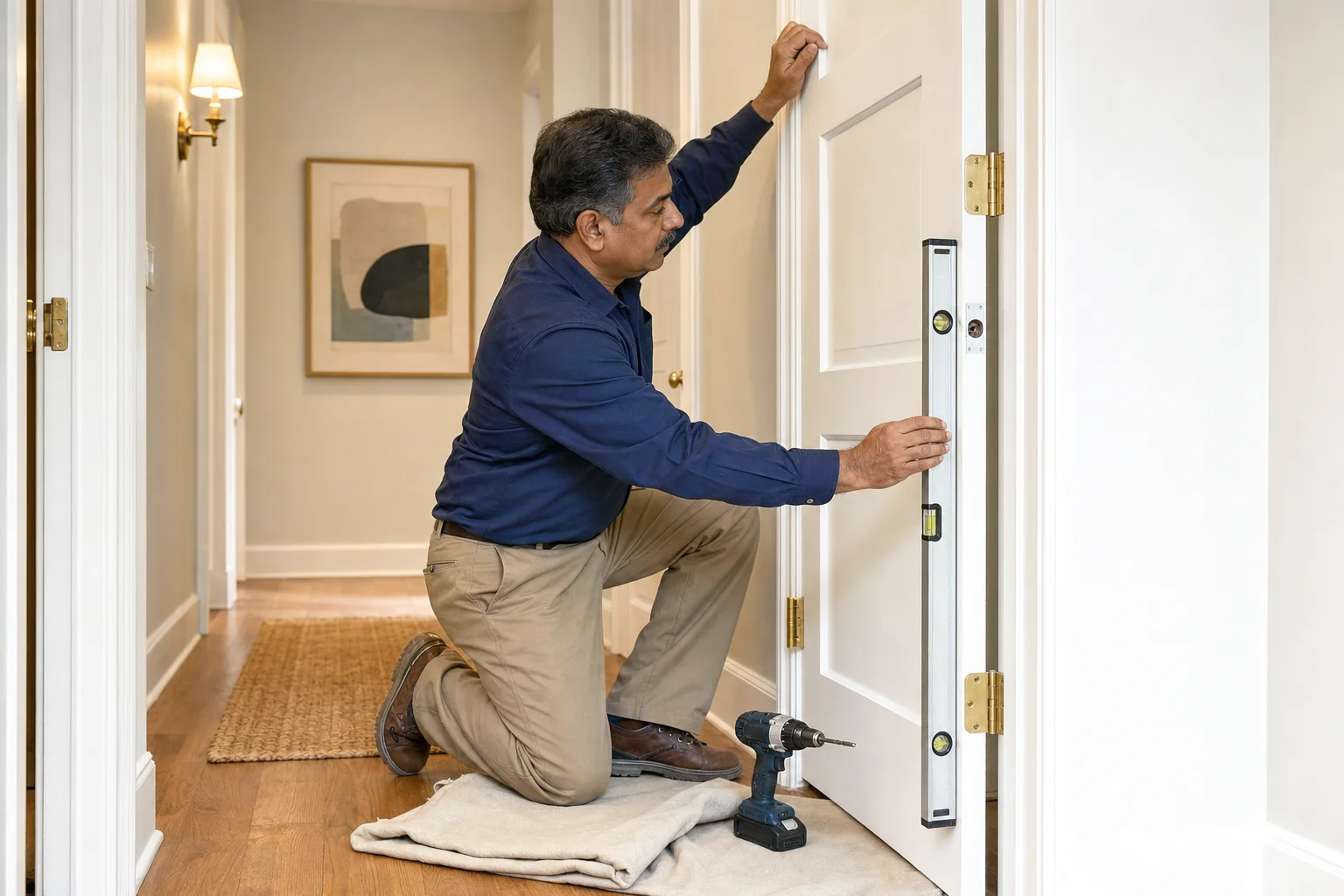
Illustrative image Repairs & Maintenance
Planned repair visits for the small and mid-size problems that build up in a home or building, from sticking doors to rotted trim and loose railings.
Inspiration
Design inspiration for Pennsylvania projects
Styles, materials and layouts suited to Pennsylvania homes and businesses, to help you picture your own project.
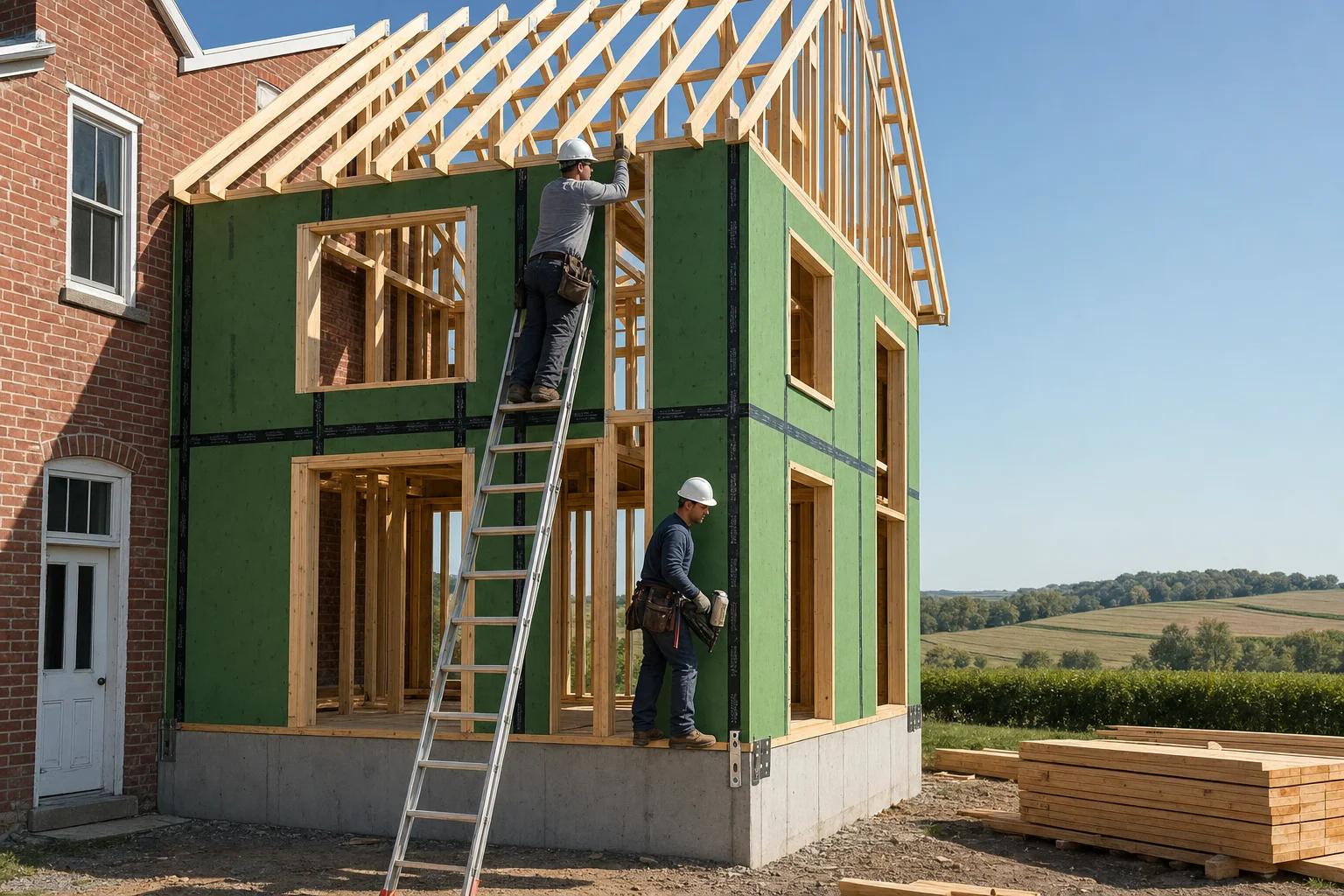
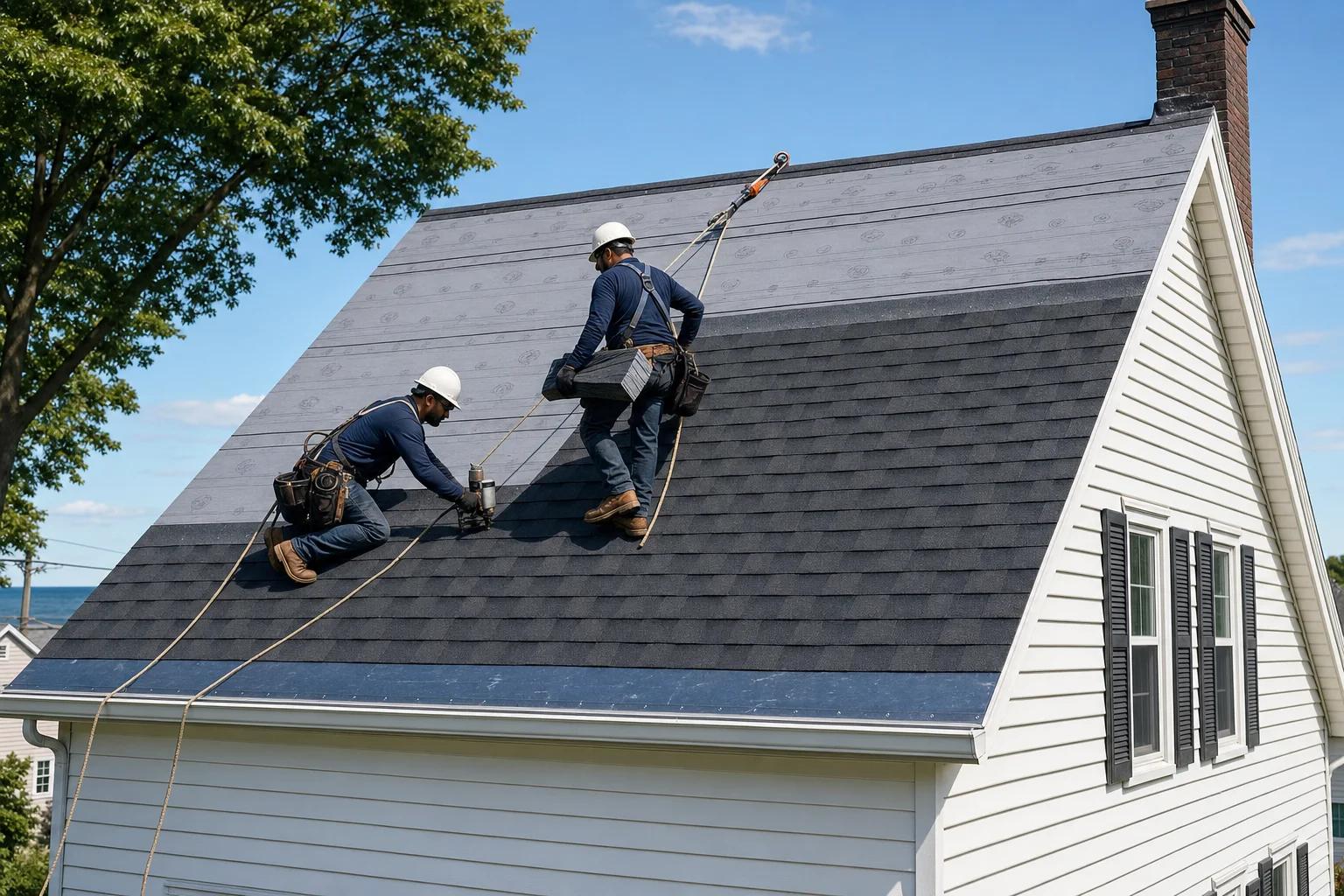
Images are illustrative and created for this website. They are not photographs of completed customer projects.
How it works
Our Simple 4-Step Process
- 1
Consult
Tell us about your project and goals. We review the location, scope and any constraints.
- 2
Plan
We define the scope in writing, confirm selections and identify permits the work may need.
- 3
Build
Work proceeds against the agreed plan, with updates when decisions or changes come up.
- 4
Enjoy
We walk through the finished work with you and hand over care and warranty information.
Questions
Pennsylvania Project FAQs
Who issues building permits in Pennsylvania?
Your municipality, in most cases. More than 90% of Pennsylvania municipalities enforce the Uniform Construction Code locally, with their own staff or a certified third-party agency. In municipalities that opted out, the Department of Labor & Industry handles commercial projects and certified third-party agencies handle residential ones. Permit requirements are confirmed with the local code office during planning.
How do I check a Pennsylvania home improvement contractor?
Use the Attorney General's public Home Improvement Contractor search. You can search by registration number, business name, location or type of work. Registered contractors must show their registration number, which starts with PA, on ads, contracts, estimates and proposals. Registration is not an endorsement of skill, so also check references and any city license that applies.
What should a home improvement contract include in Pennsylvania?
Under the Home Improvement Consumer Protection Act, the contract must be in writing, legible and signed by both you and the contractor. The Attorney General's guidance says a down payment of one-third of the contract price, or one-third plus the cost of special-order materials, is appropriate. The guidance also describes a three-day right to cancel. Read the Attorney General's FAQ for the full list of required terms.
Which building code edition applies to a project starting now?
Pennsylvania's Uniform Construction Code began using the 2021 International Codes, as amended by the state, on January 1, 2026. Accessibility requirements stay at the 2018 edition because of a 2022 court ruling. A project with a design or construction contract signed before that date could still be permitted under the prior code if the permit application was filed within six months, or within a shorter window set by local ordinance. Confirm the edition for your project with your designer and code office.
Should I test for radon before finishing a basement?
Yes. The Pennsylvania DEP reports that about 40% of homes tested in the state are above the EPA action guideline of 4 picocuries per liter, and that testing is the only way to know a home's level. Testing before you finish the basement means that, if you need a mitigation system, it can be planned into the layout.
How can I check for mine subsidence or flood risk at my address?
The Pennsylvania DEP's MSI Risk mapping application lets you check mining conditions under a site by address, coordinates or municipality. For flood risk, FEMA's Flood Map Service Center is the official source of flood hazard maps. Share what you find during planning, since both can affect foundations, additions and insurance.
Sources (9)
- Pennsylvania Department of Labor & Industry · checked 2026-09-24
- Pennsylvania Housing Research Center, Penn State · checked 2026-09-24
- City of Philadelphia Department of Licenses and Inspections · checked 2026-09-24
- Pennsylvania Office of Attorney General · checked 2026-09-24
- Pennsylvania Office of Attorney General · checked 2026-09-24
- Pennsylvania Office of Attorney General · checked 2026-09-24
- Pennsylvania Department of Environmental Protection · checked 2026-09-24
- Pennsylvania Department of Environmental Protection · checked 2026-09-24
- Federal Emergency Management Agency · checked 2026-09-24
Local resources
Planning guides for Pennsylvania
Ready to Start Your Pennsylvania Project?
Tell us what you are planning and where. We'll confirm availability for your address and follow up to talk through scope and next steps.