South Carolina Construction Pros
Construction & Remodeling Experts in South Carolina
South Carolina Construction Pros plans and builds kitchen and bathroom remodels, roofing, repairs, commercial projects and new homes for South Carolina property owners. Work here follows statewide building codes enforced by each city and county, and it has to account for hurricane season, a humid climate and, around Charleston and Summerville, the seismic zone where most of the state's recorded earthquakes occur. Housing ranges from houses built before 1960 to homes built since 2010, and manufactured homes make up about one in seven homes statewide. Service areas are still being confirmed, so availability is checked for your address before anything is scheduled.
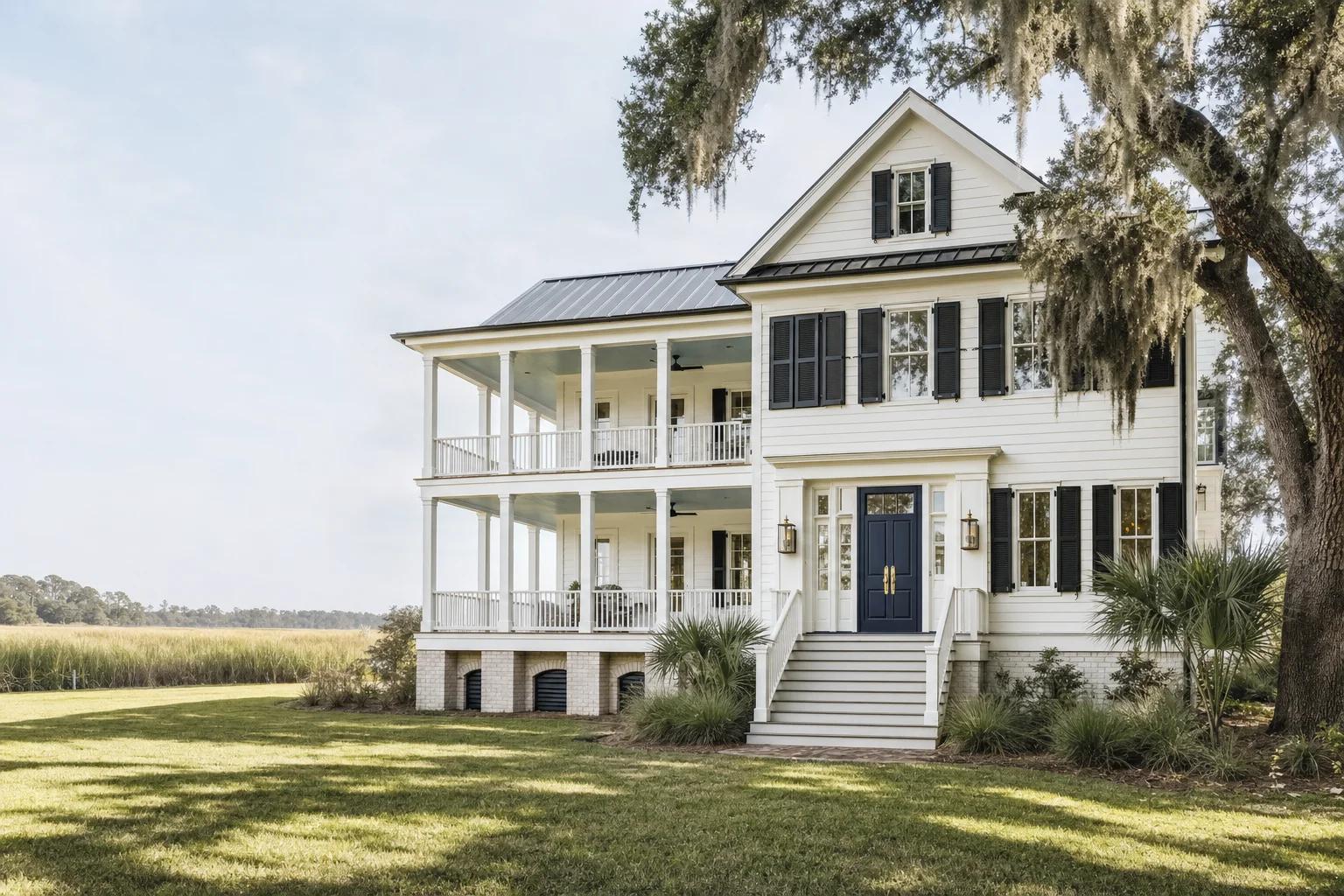
South Carolina
Construction Pros
Remodeling, roofing, repair and new construction planning for South Carolina properties, shaped by state codes, storms and humidity.
Serving communities across South Carolina
Service areasBuilding in South Carolina
What shapes a project in South Carolina
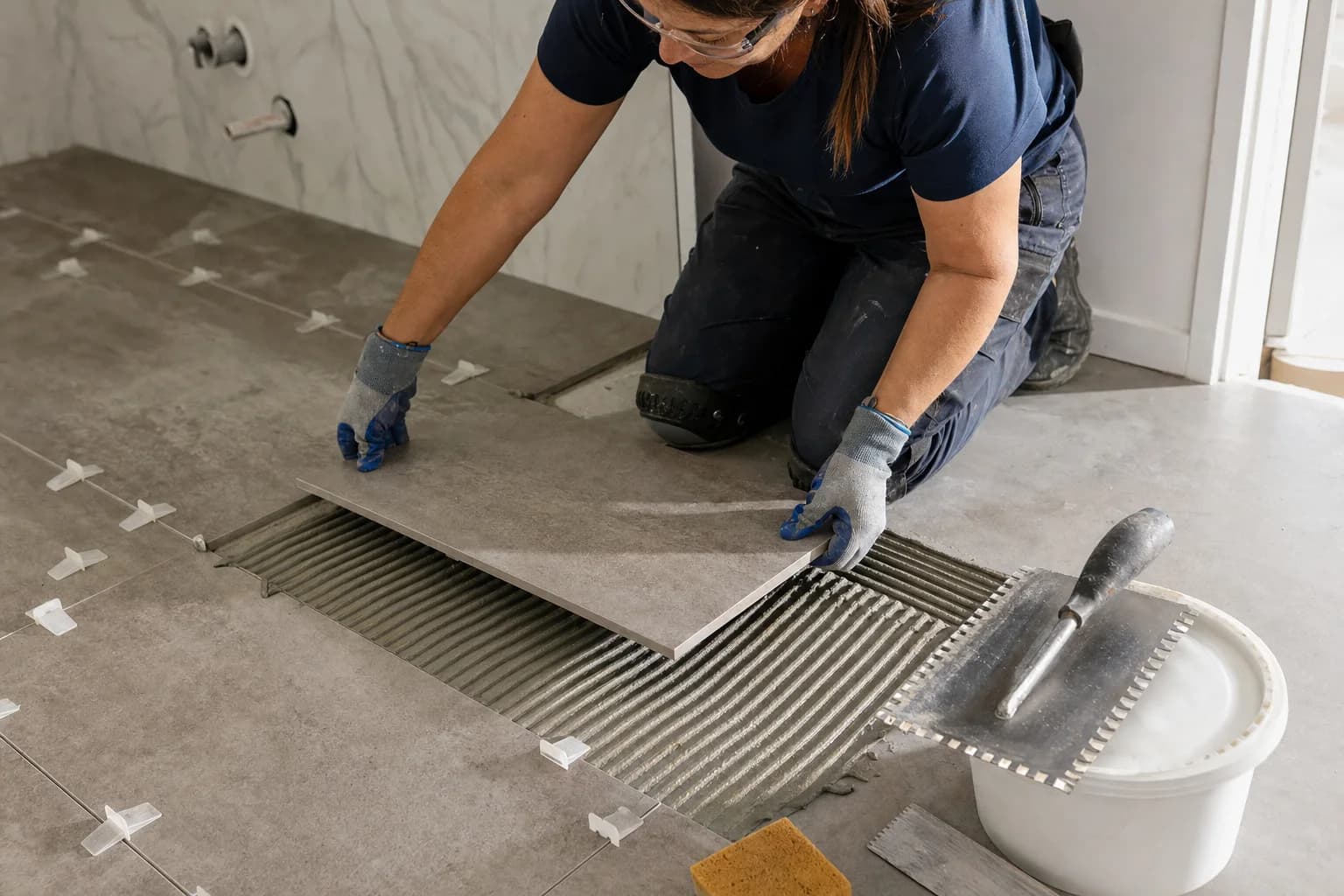
Statewide codes, enforced by every city and county
South Carolina adopts its building codes at the state level through the Building Codes Council, using the International Code Council's building, residential, plumbing, mechanical, gas, fire and energy codes and the National Electrical Code. The 2021 South Carolina Building Codes took effect on January 1, 2023, and the Council has started the process to adopt the 2024 editions. State law requires every municipality and county to enforce these codes. A city or county that wants a local variation because of local physical or climate conditions must submit it to the Council for approval; Greenville County, for example, filed a local modification request for the 2024 codes.
Energy code and climate zone 3A
State law adopts the 2009 International Energy Conservation Code as South Carolina's Energy Standard, and it applies to all new and renovated buildings and additions. A renovation, under this law, means alterations or repairs within 12 months that cost more than half of the building's value. The U.S. Department of Energy lists the 2009 IECC as the residential and commercial energy code in effect since January 1, 2013. Every county in the state is in IECC climate zone 3A; coastal counties such as Charleston, Horry and Beaufort are classed as hot-humid, and most inland counties, including Richland, Greenville and Spartanburg, as mixed-humid.
Hurricanes reach the whole state
The Atlantic hurricane season runs from June 1 to November 30, with most activity between mid-August and mid-October. South Carolina has six coastal counties and 187 miles of coastline, and the state's emergency management agency says all counties may be directly affected by these storms. Storm surge is the greatest threat on the coast, while high winds, tornadoes and heavy-rain flooding reach inland. Exterior work, roof tear-offs and material deliveries are planned with this season in mind.
Earthquake risk in the Lowcountry
About 10 to 15 earthquakes are recorded in South Carolina each year, and 3 to 5 of them are felt. About 70 percent occur in the Middleton Place-Summerville Seismic Zone near Charleston. The 1886 Charleston earthquake is described by the state as the most damaging earthquake ever to occur in the eastern United States. New homes, additions and structural changes in this area should be designed with that history in mind.
Housing stock, lead paint and termites
Census estimates for 2020-2024 count about 2.44 million housing units in South Carolina: about 65 percent single-family detached, 14 percent mobile homes and 17 percent in buildings with two or more units. About 33 percent were built before 1980 and about 37 percent in 2000 or later. Paid work that disturbs paint in homes built before 1978 must follow EPA's lead-safe renovation rule. Eastern and southeastern subterranean termites are found throughout the state, and the invasive Formosan termite is established in parts of Charleston County and has been found in Dorchester, Berkeley, Beaufort, Orangeburg and York counties.
Sources (11)
- South Carolina Building Codes Council (LLR) · checked 2026-09-24
- South Carolina Legislature, Code of Laws Title 6 Chapter 9 · checked 2026-09-24
- South Carolina Legislature, Code of Laws Title 6 Chapter 10 (Energy Standard Act) · checked 2026-09-24
- U.S. Department of Energy, Building Energy Codes Program · checked 2026-09-24
- U.S. Department of Energy, Building America Guide to Determining Climate Regions by County · checked 2026-09-24
- NOAA National Hurricane Center · checked 2026-09-24
- South Carolina Emergency Management Division · checked 2026-09-24
- South Carolina Emergency Management Division · checked 2026-09-24
- Clemson Cooperative Extension, Home & Garden Information Center · checked 2026-09-24
- U.S. Census Bureau, American Community Survey 2020-2024 5-year estimates, tables B25034 and B25024 (via Census Reporter) · checked 2026-09-24
- U.S. Environmental Protection Agency · checked 2026-09-24
Licensing & permits
Verify any contractor in South Carolina
Contractor licensing
South Carolina Department of Labor, Licensing and Regulation (LLR): Residential Builders Commission and Contractor's Licensing Board
South Carolina licenses contractors at the state level through two LLR boards. The Residential Builders Commission licenses residential builders when a job costs more than $5,000 on a residential building no more than three floors high and with no more than 16 units. Residential specialty contractors doing work over $500 must be licensed or registered: plumbers, electricians and HVAC installers are licensed after an exam, while other trades, such as roofers, are registered. The Contractor's Licensing Board licenses general and mechanical contractors for work over $10,000, in license groups that set job-size limits up to unlimited at the highest group. State law lets homeowners do some minor work on their own homes without a license, such as painting, small decks and small sheds, and lets owners build or improve a home for their own use under set conditions. Before hiring anyone, ask for the license or registration number and check it with the license lookup linked from the LLR board pages.
Check a contractor’s status (opens the official South Carolina site in a new tab)Building permits
Permits in South Carolina
Building permits in South Carolina are issued by the building department of the city, town or county where the property sits. State law requires every municipality and county to enforce the building, energy, electrical, plumbing, mechanical, gas and fire codes and to appoint or contract for a building official. Local offices such as Charleston's Building Inspections division and Florence's Building Department enforce the 2021 statewide codes, which took effect January 1, 2023. What needs a permit, whether historic or design review applies, flood-zone rules and fees still differ from one jurisdiction to the next, so the permit path for your address is confirmed during planning.
Sources (8)
- South Carolina Building Codes Council (LLR) · checked 2026-09-24
- South Carolina Legislature, Code of Laws Title 6 Chapter 9 · checked 2026-09-24
- South Carolina Residential Builders Commission (LLR) · checked 2026-09-24
- South Carolina Legislature, Code of Laws Title 40 Chapter 59 · checked 2026-09-24
- South Carolina Contractor's Licensing Board (LLR) · checked 2026-09-24
- South Carolina Legislature, Code of Laws Title 40 Chapter 11 · checked 2026-09-24
- City of Charleston, Building Inspections · checked 2026-09-24
- City of Florence, Building Department · checked 2026-09-24
Our services
Construction & Remodeling Services in South Carolina
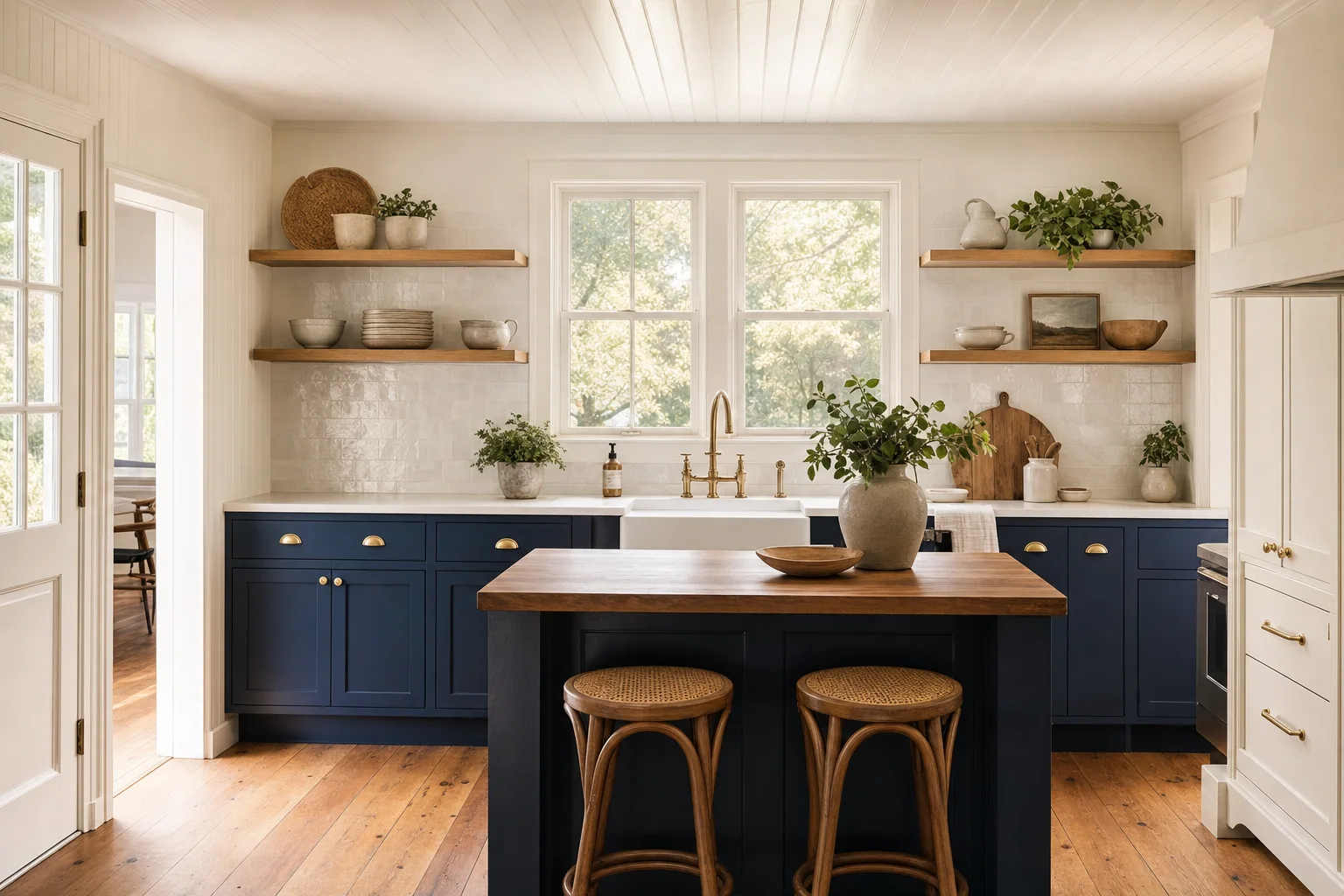
Illustrative image Kitchen Remodeling
Kitchen remodels that update the layout, cabinets, counters, lighting and finishes, planned around how you cook and use the room.
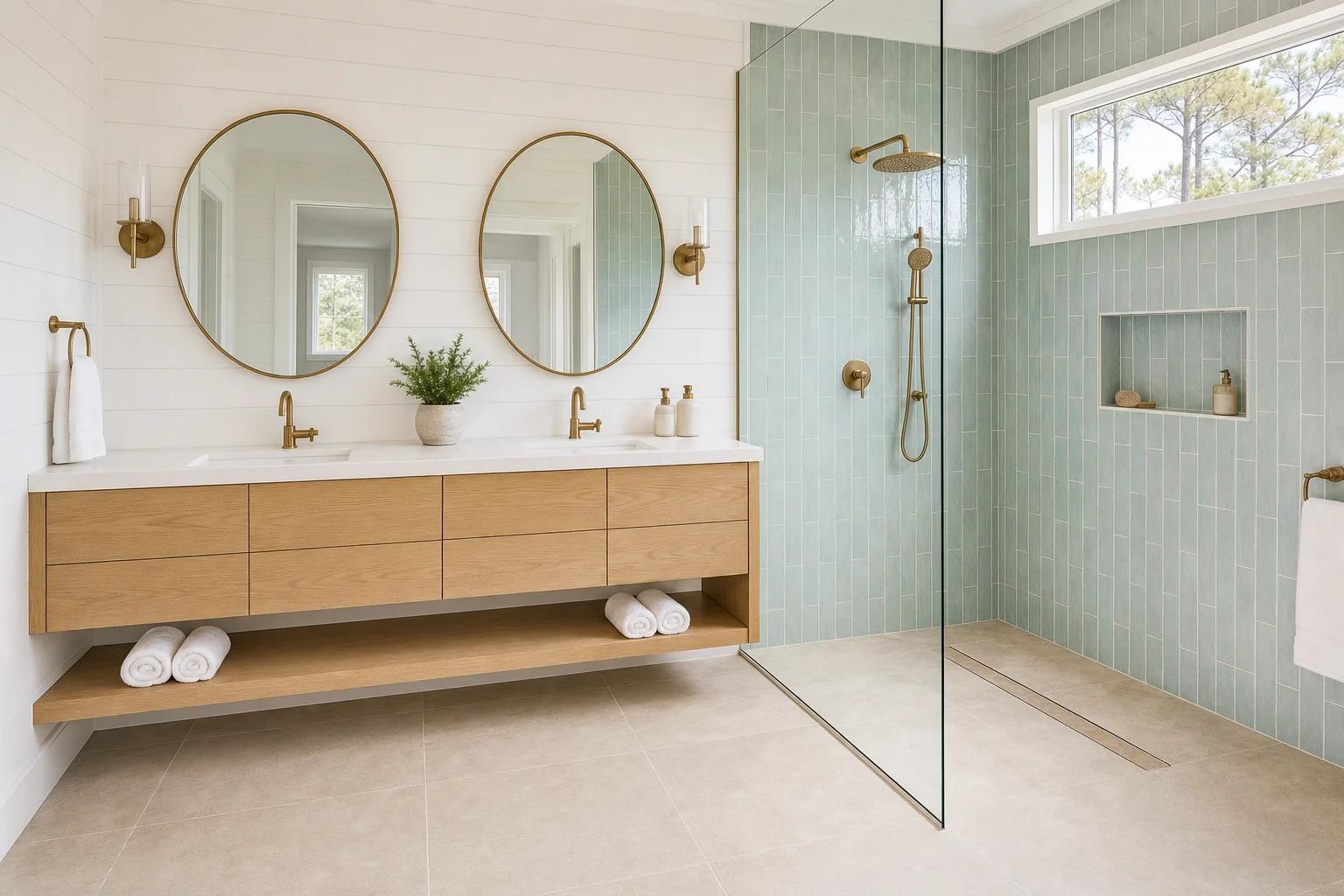
Illustrative image Bathroom Remodeling
Bathroom remodels built on sound waterproofing and ventilation, with fixtures and finishes that fit who uses the room.
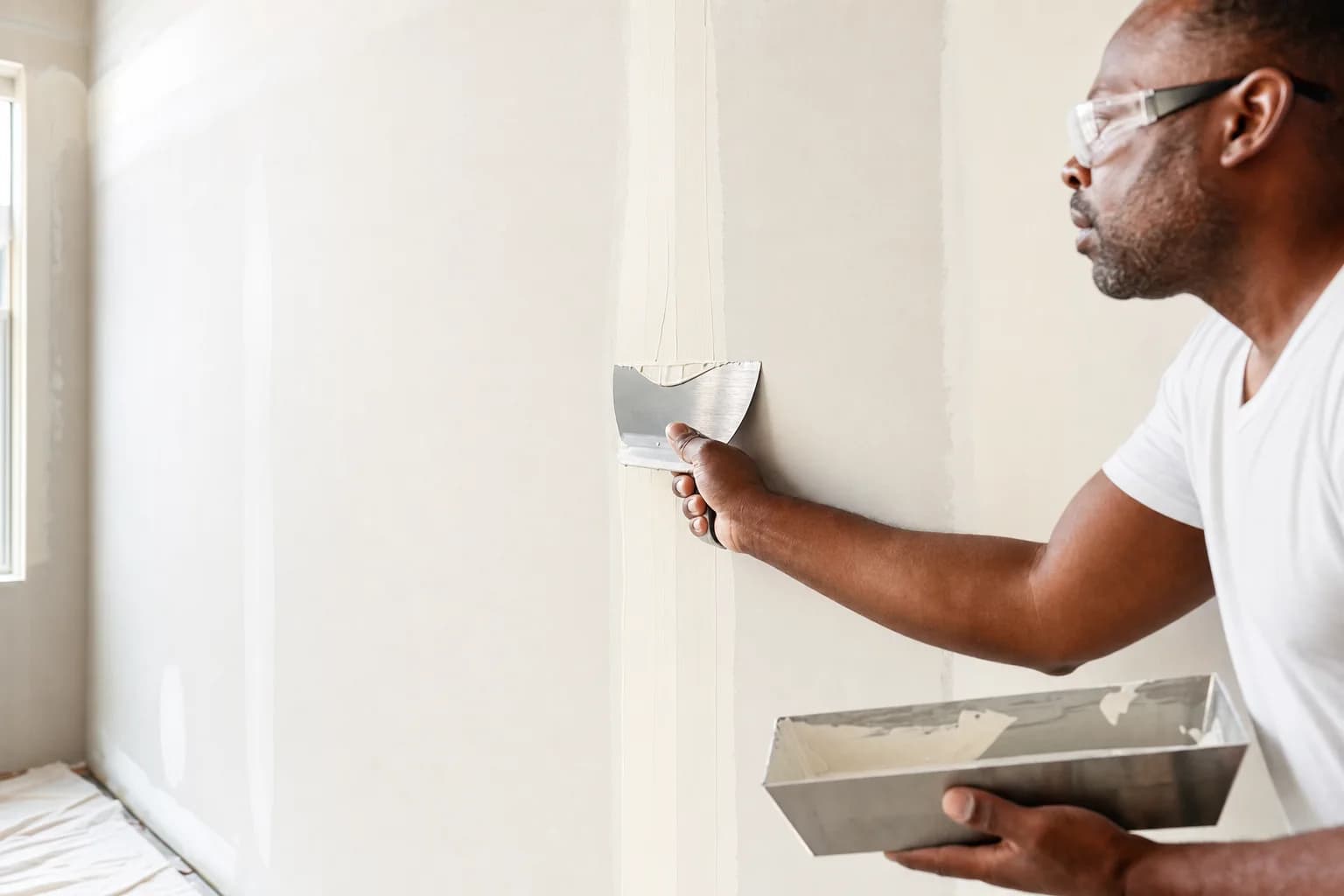
Illustrative image Repairs & Maintenance
Planned repair visits for the small and mid-size problems that build up in a home or building, from sticking doors to rotted trim and loose railings.
Inspiration
Design inspiration for South Carolina projects
Styles, materials and layouts suited to South Carolina homes and businesses, to help you picture your own project.
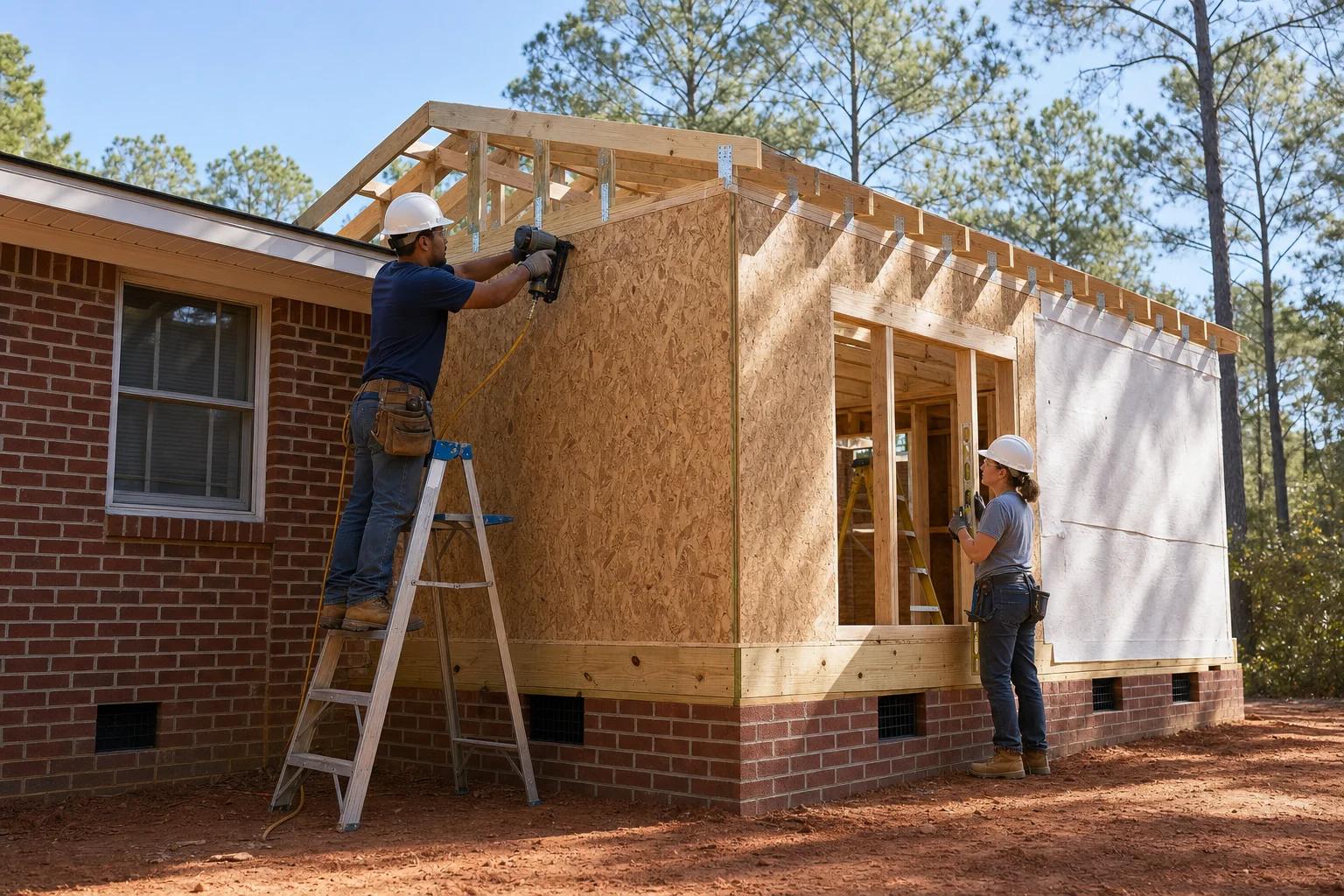
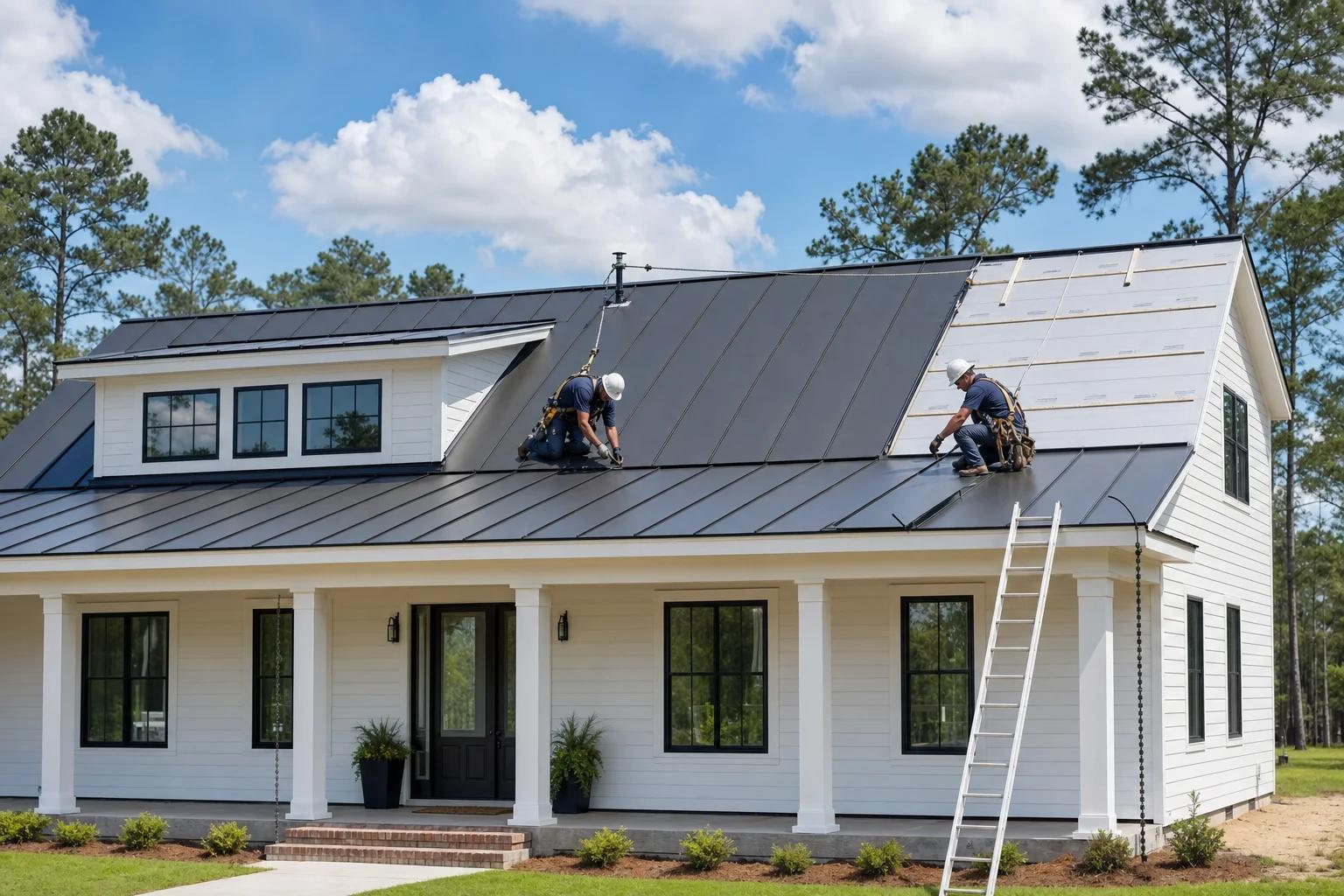
Images are illustrative and created for this website. They are not photographs of completed customer projects.
How it works
Our Simple 4-Step Process
- 1
Consult
Tell us about your project and goals. We review the location, scope and any constraints.
- 2
Plan
We define the scope in writing, confirm selections and identify permits the work may need.
- 3
Build
Work proceeds against the agreed plan, with updates when decisions or changes come up.
- 4
Enjoy
We walk through the finished work with you and hand over care and warranty information.
Questions
South Carolina Project FAQs
Do I need a permit to remodel my home in South Carolina?
It depends on the city or county and the scope. The City of Spartanburg says any work on a residential property in the city requires a residential building permit. The City of Charleston has separate permit types for alterations, window and door replacement, roof repair and replacement, and exterior painting. The permit requirements for your address are confirmed during planning, before work is scheduled.
How do I check a contractor's license in South Carolina?
Residential builders need a license from the Residential Builders Commission when a job costs more than $5,000, and residential specialty contractors must be licensed or registered for work over $500. General and mechanical contractors need a Contractor's Licensing Board license for work over $10,000. Both boards link to a license lookup on the LLR website. Some towns, such as Summerville, also require contractors to hold a local business license.
When is the best time of year for roofing and exterior work?
Exterior work can happen year-round, but hurricane season runs from June 1 to November 30, with most activity from mid-August to mid-October. The state warns that storms can bring high winds, tornadoes and flooding to every county, not just the coast. For roof replacements and large exterior jobs, it helps to schedule tear-offs in short weather windows and keep materials secured, especially in late summer and early fall.
My neighborhood has an HOA or recorded covenants. Does that affect my permit?
It can come up. The City of Charleston's residential alterations permit application asks whether the property is restricted by a recorded covenant that conflicts with the proposed work. Review your covenants and any HOA approval process before the design is final.
Which energy code applies to my addition or remodel?
State law adopts the 2009 International Energy Conservation Code as the Energy Standard for all new and renovated buildings and additions. A renovation means alterations or repairs within 12 months that cost more than half of the building's value, so a small remodel may not trigger it but an addition will. All of South Carolina is in climate zone 3A.
My house was built before 1978. Does that change anything?
Yes. Under EPA's Renovation, Repair and Painting rule, anyone paid to do work that disturbs painted surfaces in a home built before 1978 must be certified and follow lead-safe work practices. About a third of South Carolina homes were built before 1980, so this comes up often in older neighborhoods. Tell us the year your home was built when you share project details.
Sources (15)
- South Carolina Legislature, Code of Laws Title 6 Chapter 10 (Energy Standard Act) · checked 2026-09-24
- U.S. Department of Energy, Building Energy Codes Program · checked 2026-09-24
- U.S. Department of Energy, Building America Guide to Determining Climate Regions by County · checked 2026-09-24
- NOAA National Hurricane Center · checked 2026-09-24
- South Carolina Emergency Management Division · checked 2026-09-24
- U.S. Census Bureau, American Community Survey 2020-2024 5-year estimates, tables B25034 and B25024 (via Census Reporter) · checked 2026-09-24
- U.S. Environmental Protection Agency · checked 2026-09-24
- South Carolina Residential Builders Commission (LLR) · checked 2026-09-24
- South Carolina Legislature, Code of Laws Title 40 Chapter 59 · checked 2026-09-24
- South Carolina Contractor's Licensing Board (LLR) · checked 2026-09-24
- South Carolina Legislature, Code of Laws Title 40 Chapter 11 · checked 2026-09-24
- City of Charleston, Permit Center · checked 2026-09-24
- City of Charleston, Residential Alterations/Additions Building Permit Application · checked 2026-09-24
- City of Spartanburg, Building Inspections Department · checked 2026-09-24
- Town of Summerville, Building Department · checked 2026-09-24
Local resources
Planning guides for South Carolina
Ready to Start Your South Carolina Project?
Tell us what you are planning and where. We'll confirm availability for your address and follow up to talk through scope and next steps.