South Carolina Construction Pros
Kitchen Remodeling in South Carolina
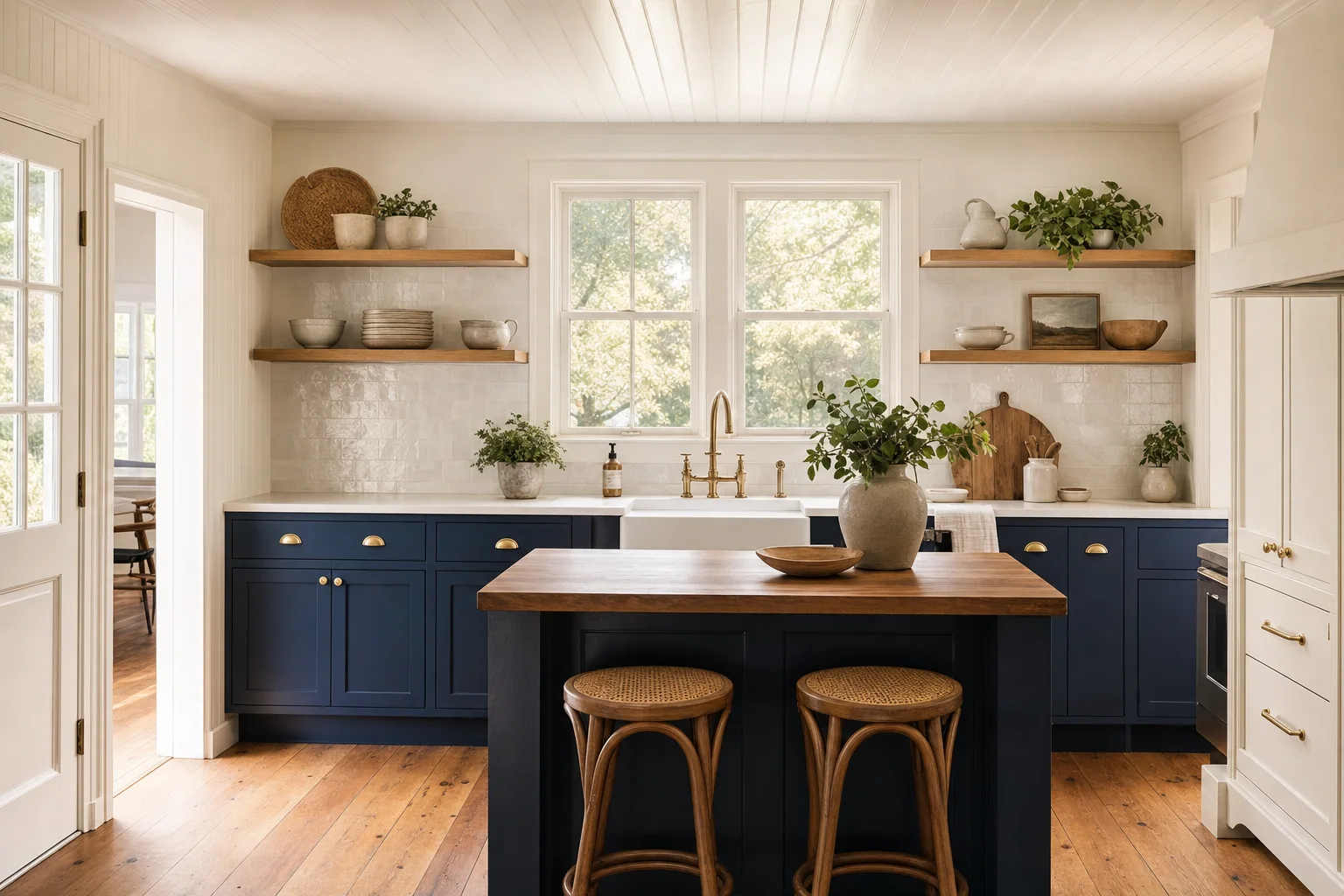
South Carolina context
Planning kitchen remodeling in South Carolina
Statewide codes, enforced by every city and county
South Carolina adopts its building codes at the state level through the Building Codes Council, using the International Code Council's building, residential, plumbing, mechanical, gas, fire and energy codes and the National Electrical Code. The 2021 South Carolina Building Codes took effect on January 1, 2023, and the Council has started the process to adopt the 2024 editions. State law requires every municipality and county to enforce these codes. A city or county that wants a local variation because of local physical or climate conditions must submit it to the Council for approval; Greenville County, for example, filed a local modification request for the 2024 codes.
Energy code and climate zone 3A
State law adopts the 2009 International Energy Conservation Code as South Carolina's Energy Standard, and it applies to all new and renovated buildings and additions. A renovation, under this law, means alterations or repairs within 12 months that cost more than half of the building's value. The U.S. Department of Energy lists the 2009 IECC as the residential and commercial energy code in effect since January 1, 2013. Every county in the state is in IECC climate zone 3A; coastal counties such as Charleston, Horry and Beaufort are classed as hot-humid, and most inland counties, including Richland, Greenville and Spartanburg, as mixed-humid.
Hurricanes reach the whole state
The Atlantic hurricane season runs from June 1 to November 30, with most activity between mid-August and mid-October. South Carolina has six coastal counties and 187 miles of coastline, and the state's emergency management agency says all counties may be directly affected by these storms. Storm surge is the greatest threat on the coast, while high winds, tornadoes and heavy-rain flooding reach inland. Exterior work, roof tear-offs and material deliveries are planned with this season in mind.
Sources (7)
- South Carolina Building Codes Council (LLR) · checked 2026-09-24
- South Carolina Legislature, Code of Laws Title 6 Chapter 9 · checked 2026-09-24
- South Carolina Legislature, Code of Laws Title 6 Chapter 10 (Energy Standard Act) · checked 2026-09-24
- U.S. Department of Energy, Building Energy Codes Program · checked 2026-09-24
- U.S. Department of Energy, Building America Guide to Determining Climate Regions by County · checked 2026-09-24
- NOAA National Hurricane Center · checked 2026-09-24
- South Carolina Emergency Management Division · checked 2026-09-24
Permits
Kitchen work that changes plumbing, electrical circuits, gas lines, ventilation or walls commonly needs a permit and inspections. Purely cosmetic work, such as painting or replacing cabinets in the same place, may not. Requirements vary by city and county, so the local building department confirms what applies before work begins.
Contractor licensing
South Carolina Department of Labor, Licensing and Regulation (LLR): Residential Builders Commission and Contractor's Licensing Board
South Carolina licenses contractors at the state level through two LLR boards. The Residential Builders Commission licenses residential builders when a job costs more than $5,000 on a residential building no more than three floors high and with no more than 16 units. Residential specialty contractors doing work over $500 must be licensed or registered: plumbers, electricians and HVAC installers are licensed after an exam, while other trades, such as roofers, are registered. The Contractor's Licensing Board licenses general and mechanical contractors for work over $10,000, in license groups that set job-size limits up to unlimited at the highest group. State law lets homeowners do some minor work on their own homes without a license, such as painting, small decks and small sheds, and lets owners build or improve a home for their own use under set conditions. Before hiring anyone, ask for the license or registration number and check it with the license lookup linked from the LLR board pages.
Check a contractor’s status (opens the official South Carolina site in a new tab)Building permits
Permits in South Carolina
Building permits in South Carolina are issued by the building department of the city, town or county where the property sits. State law requires every municipality and county to enforce the building, energy, electrical, plumbing, mechanical, gas and fire codes and to appoint or contract for a building official. Local offices such as Charleston's Building Inspections division and Florence's Building Department enforce the 2021 statewide codes, which took effect January 1, 2023. What needs a permit, whether historic or design review applies, flood-zone rules and fees still differ from one jurisdiction to the next, so the permit path for your address is confirmed during planning.
Sources (8)
- South Carolina Building Codes Council (LLR) · checked 2026-09-24
- South Carolina Legislature, Code of Laws Title 6 Chapter 9 · checked 2026-09-24
- South Carolina Residential Builders Commission (LLR) · checked 2026-09-24
- South Carolina Legislature, Code of Laws Title 40 Chapter 59 · checked 2026-09-24
- South Carolina Contractor's Licensing Board (LLR) · checked 2026-09-24
- South Carolina Legislature, Code of Laws Title 40 Chapter 11 · checked 2026-09-24
- City of Charleston, Building Inspections · checked 2026-09-24
- City of Florence, Building Department · checked 2026-09-24
What’s included
Kitchen Remodeling in South Carolina: scope and options
- Layout planning for work zones, walkways, storage and seating
- Removal of old cabinets, counters, flooring and fixtures
- Cabinet installation, whether new, refaced or partly replaced
- Countertop templating and installation, plus backsplash tile
- Plumbing and electrical updates for sinks, appliances and lighting, coordinated with licensed trades where required
- Range hood and kitchen ventilation installation
- Appliance placement, clearances and hookup planning
- Drywall repair, flooring, trim and paint to finish the room
Common options
- Keep the layout or change it
- Leaving the sink, range and refrigerator where they are limits plumbing, gas and electrical changes. Moving them can fix a poor workflow but adds rough-in work and inspections.
- Cabinet approach
- Stock, semi-custom or custom cabinets, or refacing boxes that are still sound. The choice affects lead time, available sizes and finish options.
- Countertop material
- Quartz, natural stone, solid surface, laminate or butcher block. Each differs in heat and stain resistance, seams and upkeep.
- Island or peninsula
- An island adds prep space and seating but needs walking room on every side. A peninsula can give similar counter space in a tighter room.
- Lighting plan
- Layered lighting with ceiling fixtures, under-cabinet task lights and pendants, set on separate switches or dimmers so each can be used on its own.
What this service does not cover
- Appliance purchases, unless they are written into the agreed scope
- Asbestos or lead-based paint abatement, which is handled by certified specialists
- Removing load-bearing walls without engineered plans where the jurisdiction requires them
- Repairs to hidden damage found during demolition, such as rot or outdated wiring, until the work is reviewed with you and added by written change order
- Work in other rooms that is outside the agreed scope
Budget planning
What affects cost
Layout changes
Moving plumbing, gas lines or walls takes more labor and inspection than keeping the current footprint.
Cabinets
Construction quality, finish, and whether they are stock, semi-custom or custom.
Countertops
Material, thickness, edge profile, number of seams and the cutouts needed for sinks and cooktops.
Electrical capacity
Older homes may need new circuits or panel work to support current appliances and lighting.
Ventilation
Venting a range hood outdoors through a wall or roof adds labor compared with a recirculating hood.
Conditions behind walls and floors
Water damage, rot or outdated wiring found after demolition adds work before new finishes go in.
Finish selections
Tile, hardware, faucets, sinks and light fixtures range widely in price and installation effort.
Scheduling
What affects the schedule
- Lead times for cabinets, counters and special-order appliances
- Countertop templating, which can only happen after cabinets are installed
- Permit review and the timing of required inspections
- Selections made late or changed after ordering
- Conditions found once walls and floors are opened
How to prepare
- Empty cabinets, drawers and counters before demolition day
- Set up a temporary kitchen in another room with a microwave, small refrigerator and coffee maker
- Write down what you store and how you cook so the plan fits your habits
- Choose appliances early so cabinets can be sized around them
- Plan to keep children and pets away from the work area
- Clear a path from the entry to the kitchen for deliveries and debris removal
Process
How Kitchen Remodeling Projects Work
- 1
Consult
We walk the kitchen with you and talk through how you cook, store food and gather. We note what works, what does not, and the plumbing, electrical and ventilation that could shape the plan.
- 2
Plan
We set the layout, choose cabinets, counters and finishes, and put the scope in writing. Long-lead items are ordered and any permits are requested before demolition starts.
- 3
Build
Demolition, rough-in work and inspections come first, then cabinets, counters, backsplash, fixtures and trim. The work area is kept separated from the rest of the home to limit dust.
- 4
Enjoy
A final walkthrough, completion of any punch-list items, and a review of care for new surfaces, fixtures and appliances.
Service areas
Where we plan kitchen remodeling projects in South Carolina
Other communities
Related services in South Carolina
Questions
Kitchen Remodeling FAQs
Can I stay in my home during a kitchen remodel?
Most people do. Plan on a temporary kitchen elsewhere in the house and expect dust, noise and limited use of the kitchen sink while work is underway. Separating the work area helps keep dust out of the rest of the home.
Should I pick appliances before or after the design?
Early. Appliance sizes, venting and electrical needs affect cabinet sizes and the layout. Changing an appliance after cabinets are ordered can force changes to cabinets, counters or wiring.
Is it worth changing my kitchen layout?
It depends on how well the current layout works. If moving between the sink, range and refrigerator is awkward or prep space is short, a new layout can help. If the flow is fine, keeping it lets more of the budget go to cabinets and surfaces.
Can I keep my existing cabinets?
If the cabinet boxes are sound and the layout is staying, refacing or painting can update the look. If cabinets are damaged, poorly sized or the layout is changing, replacement usually makes more sense.
What happens if problems are found behind the walls?
Opening walls and floors can reveal water damage, rot or outdated wiring. The issue should be shown to you, documented, and priced as a written change order before the added work starts.
How do I choose a countertop material?
Compare heat, stain and scratch resistance along with upkeep. Quartz needs little maintenance, natural stone varies by stone and may need sealing, laminate is a lower-cost option, and butcher block needs regular oiling.
Ready to Plan Kitchen Remodeling in South Carolina?
Share the scope and the address. We'll confirm availability and follow up to talk through options and next steps.