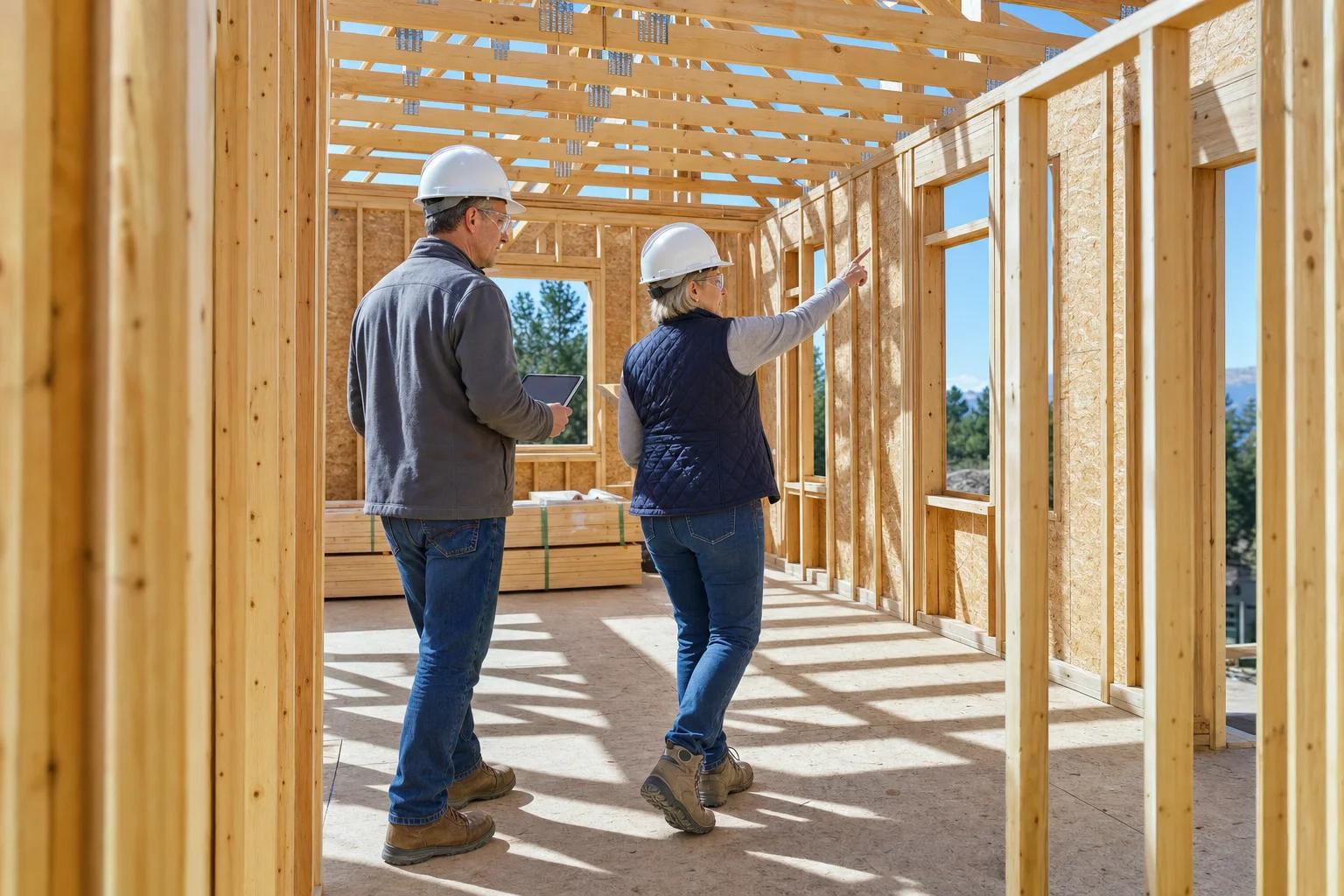
A durable material is one that suits the conditions where it is installed. Start by finding your climate zone and checking your local hazards, such as flood, high wind or wildfire. Then choose windows, insulation, roofing, siding and floors that are rated for those conditions. Moisture control matters in every climate.
Find your climate zone
The U.S. Department of Energy's Building America program publishes climate-specific building guidance for each climate zone in the International Energy Conservation Code, with a look-up by county or zip code. DOE notes that insulation solutions may change depending on the climate zone.
Windows
ENERGY STAR sets requirements for windows, doors and skylights by climate zone, using U-factor and, where it applies, solar heat gain coefficient (SHGC). In cold climates, ENERGY STAR describes the ideal south-facing window as having a low U-factor to reduce heat loss. In warmer climates, it says a low SHGC matters for windows facing south, east and west. When buying off the shelf, look for the ENERGY STAR label for your climate zone next to the NFRC label.
Insulation and air sealing
DOE explains that R-value measures a material's resistance to heat flow, and a higher R-value means better insulation. Air sealing reduces the air that leaks into and out of a home. DOE also notes that walls and rim joists typically make up more than 40 percent of a house's envelope area, so a remodel that opens walls is a good time to seal and insulate them.
Moisture
EPA says the key to mold control is moisture control. It advises keeping indoor humidity below 60 percent, ideally between 30 and 50 percent, venting moisture-producing appliances outside where possible, and insulating cold surfaces such as cold water pipes to limit condensation. In bathrooms, kitchens, laundry rooms and basements, choose materials made for wet areas and plan exhaust ventilation with the finishes.
Flood risk
Check your address on FEMA's Flood Map Service Center. In Special Flood Hazard Areas, FEMA requires all structural and non-structural building materials at or below the base flood elevation to be flood resistant. FEMA defines that as able to withstand direct and prolonged contact with floodwater, at least 72 hours, without damage that needs more than low-cost cosmetic repair. FEMA Technical Bulletin 2 explains which materials qualify.
High wind
FEMA points homeowners to its Wind Retrofit Guide for Residential Buildings as a resource for strengthening a home against wind and wind-driven rain. When you replace a roof, siding, windows or garage doors in a high-wind area, ask which products and fastening methods meet the wind requirements your local code enforces.
Wildfire
The U.S. Fire Administration says embers cause a significant share of home ignitions in wildfires and can be carried several miles downwind. Its suggested steps include metal window screens, sealing openings in the structure, and metal or stone fence material where a wooden fence meets the house. NIST notes that hardening a home can mean upgrading up to 40 components, such as windows, gutters and the deck, and that hardening only half of a home does not give half the benefit.
Sources (10)
- U.S. Department of Energy, Building America · checked 2026-09-24
- U.S. Department of Energy · checked 2026-09-24
- ENERGY STAR (U.S. EPA and DOE) · checked 2026-09-24
- U.S. Environmental Protection Agency · checked 2026-09-24
- Federal Emergency Management Agency · checked 2026-09-24
- Federal Emergency Management Agency · checked 2026-09-24
- Federal Emergency Management Agency · checked 2026-09-24
- Federal Emergency Management Agency · checked 2026-09-24
- U.S. Fire Administration · checked 2026-09-24
- National Institute of Standards and Technology · checked 2026-09-24
This guide is general information, not legal, engineering or financial advice. Rules, costs and timelines vary by location and project — confirm specifics for your address.