
Michigan Construction Pros
Construction & Remodeling Experts in Michigan
Michigan Construction Pros plans and builds kitchen and bathroom remodels, roofing, repairs, commercial projects and new homes for Michigan homeowners and businesses. Most Michigan homes were built before 1980, and the state spans three cold energy-code climate zones, so frost depth, snow and ice shape how work is designed and scheduled. Each project is planned around the permit process of the city, township or county where it is built. Service areas in Michigan are still being confirmed, so every project address is reviewed before anything is scheduled.
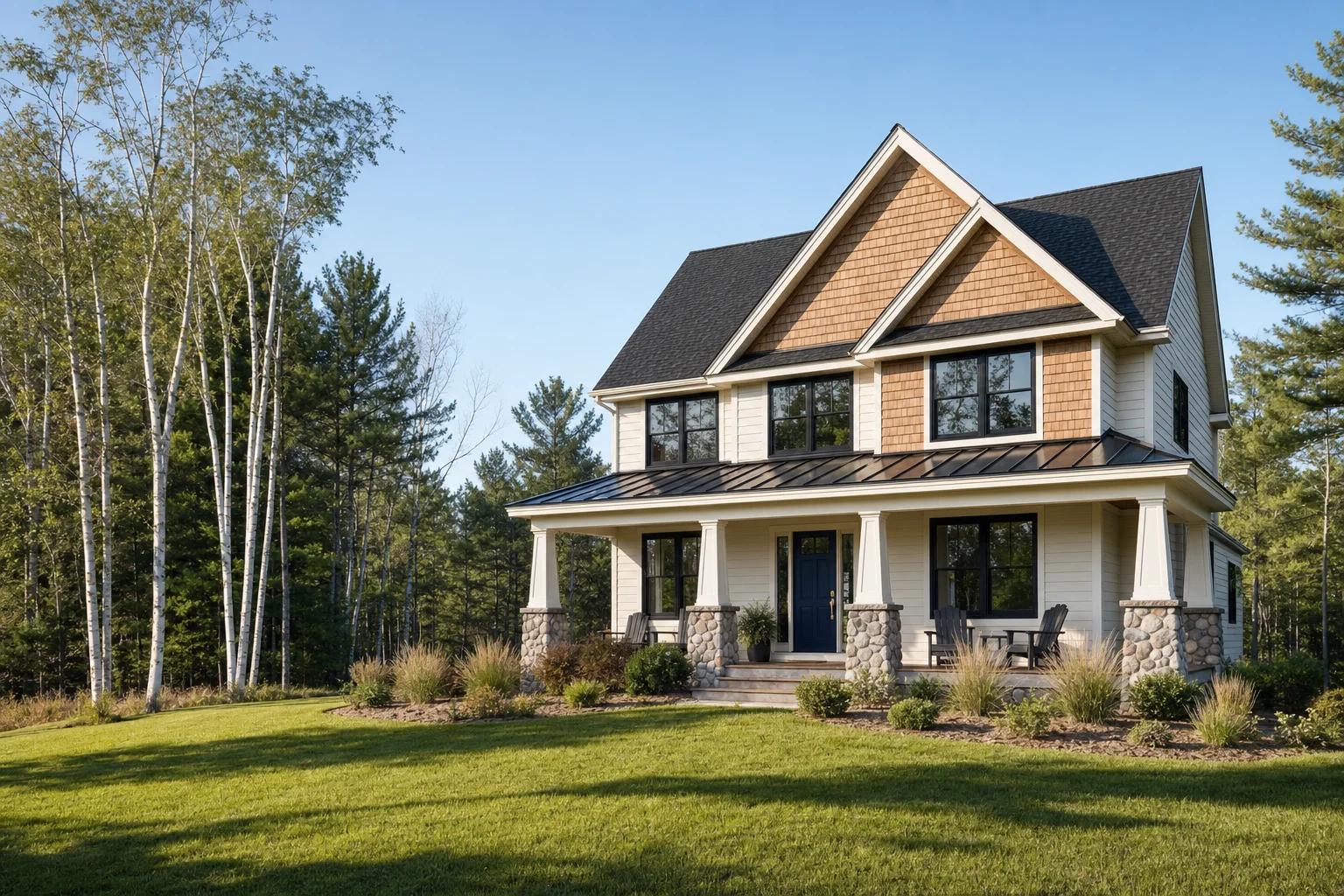
Michigan
Construction Pros
Remodeling, roofing, repairs and new construction planned around Michigan codes, cold winters and older homes.
Serving communities across Michigan
Service areasBuilding in Michigan
What shapes a project in Michigan
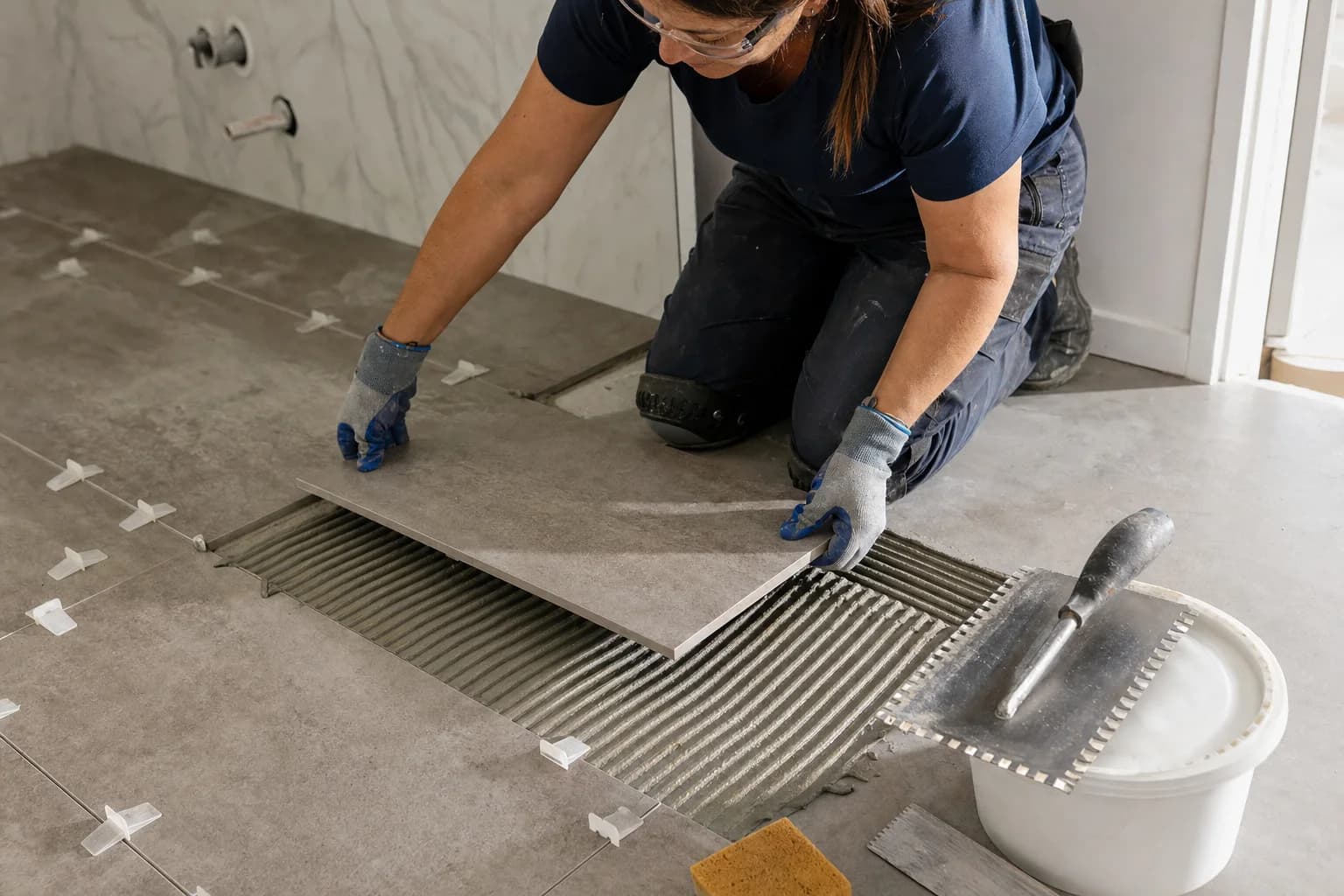
One construction code, enforced locally
Michigan's construction code act and code apply throughout the state. A city, village or township can take on enforcement by ordinance. Where it does not, a county that administers the code may step in, and otherwise the state does. That is why the permit office for a project can be a city, a county or the state.
Homes still use the 2015 residential code
One- and two-family homes and townhouses up to three stories are built under the 2015 Michigan Residential Code. Updated residential and energy rules based on the 2021 editions were set to start in August 2025, but they are on hold because of a builders' lawsuit, which was still listed as ongoing in September 2026. Commercial buildings moved to the 2021 Michigan Building Code in 2025. Confirm the edition in force with the building department when you apply.
Three energy-code climate zones
Michigan's energy code climate table puts the state in zones 5A, 6A and 7. Southern Lower Peninsula counties such as Wayne, Macomb, Kent, Washtenaw, Ingham, Kalamazoo and Genesee are 5A, Grand Traverse and Marquette are 6A, and Houghton is 7. Residential energy rules are based on the 2015 IECC with Michigan amendments. Commercial energy rules are based on the 2021 IECC and ASHRAE 90.1-2019, effective April 2025.
Frost depth, lake-effect snow and ice
The Michigan Residential Code requires exterior footings and foundations to extend 42 inches below grade, which affects additions and new homes. Some decks and accessory structures have exceptions. In West Michigan, the National Weather Service notes that westerly winds bring the heaviest lake-effect snow from Grand Haven to South Haven and inland to Grand Rapids. Where local officials designate a history of ice damming, the code requires an ice barrier at the eaves for common roof coverings.
Older housing stock
Census estimates for 2020 to 2024 show about 62% of Michigan homes were built before 1980 and about 15% before 1940. About 72% are single-family detached houses. Federal rules require firms paid to disturb painted surfaces in homes built before 1978 to be certified and to use lead-safe work practices.
Sources (13)
- U.S. Census Bureau American Community Survey 2020-2024 5-year estimates (tables B25034, B25024, B25003), via Census Reporter · checked 2026-09-24
- Michigan Legislature (Stille-DeRossett-Hale Single State Construction Code Act, MCL 125.1508a) · checked 2026-09-24
- Michigan Legislature (MCL 125.1508b) · checked 2026-09-24
- City of Ann Arbor Planning & Development Services - Construction Services · checked 2026-09-24
- City of Ann Arbor · checked 2026-09-24
- Bridge Michigan (news, July 24, 2025) · checked 2026-09-24
- Home Builders Association of Michigan · checked 2026-09-24
- U.S. Department of Energy Building Energy Codes Program · checked 2026-09-24
- Michigan Energy Code 2015 (IECC-based), climate zone table as published by UpCodes · checked 2026-09-24
- 2015 Michigan Residential Code, Chapter 4 (as published by UpCodes) · checked 2026-09-24
- 2015 Michigan Residential Code, Chapter 9 (as published by UpCodes) · checked 2026-09-24
- National Weather Service, Grand Rapids · checked 2026-09-24
- U.S. Environmental Protection Agency · checked 2026-09-24
Licensing & permits
Verify any contractor in Michigan
Contractor licensing
Michigan Department of Licensing and Regulatory Affairs (LARA)
Michigan licenses residential builders and residential maintenance and alteration contractors under Article 24 of the Occupational Code, which LARA administers. The license applies to paid construction, remodeling, repair or demolition work on a residential structure, meaning a one- or two-family home or a townhouse up to three stories. The law exempts some work, including jobs under $600 in total value (unless the job is split up to evade the law) and owners working on a structure for their own use and occupancy. Electricians, plumbers and mechanical contractors are licensed separately under the Skilled Trades Regulation Act. Article 24 is written for residential structures, so for commercial work, ask the building department what contractor credentials it checks at permit time. Before you hire anyone, look up the company and license type in LARA's MiPLUS license search.
Check a contractor’s status (opens the official Michigan site in a new tab)Building permits
Permits in Michigan
Building permits in Michigan come from the city, village or township that enforces the state code, or from the county or state where the local unit does not. For example, Grand Traverse County issues building permits for most of the county, while Garfield Township issues its own. Cities such as Grand Rapids issue a building permit plus separate electrical, plumbing and mechanical permits, and Grand Rapids and Ann Arbor let property owners apply for their own permits. Local historic district rules can add a review step before exterior permits. Permit needs vary by address and scope, so they are confirmed during planning, before work is scheduled.
Sources (11)
- Michigan Legislature (MCL 125.1508b) · checked 2026-09-24
- Michigan Legislature (Occupational Code, MCL 339.2401) · checked 2026-09-24
- Michigan Legislature (Occupational Code, MCL 339.2403) · checked 2026-09-24
- Michigan Legislature (Occupational Code, MCL 339.104) · checked 2026-09-24
- Michigan Legislature (Skilled Trades Regulation Act, 2016 PA 407) · checked 2026-09-24
- Michigan LARA MiPLUS (Accela Citizen Access) · checked 2026-09-24
- Historic Boston-Edison Association (summary of Detroit Historic District Commission process) · checked 2026-09-24
- City of Grand Rapids Development Center · checked 2026-09-24
- City of Ann Arbor · checked 2026-09-24
- Grand Traverse County Construction Code · checked 2026-09-24
- Grand Traverse County Construction Code · checked 2026-09-24
Our services
Construction & Remodeling Services in Michigan
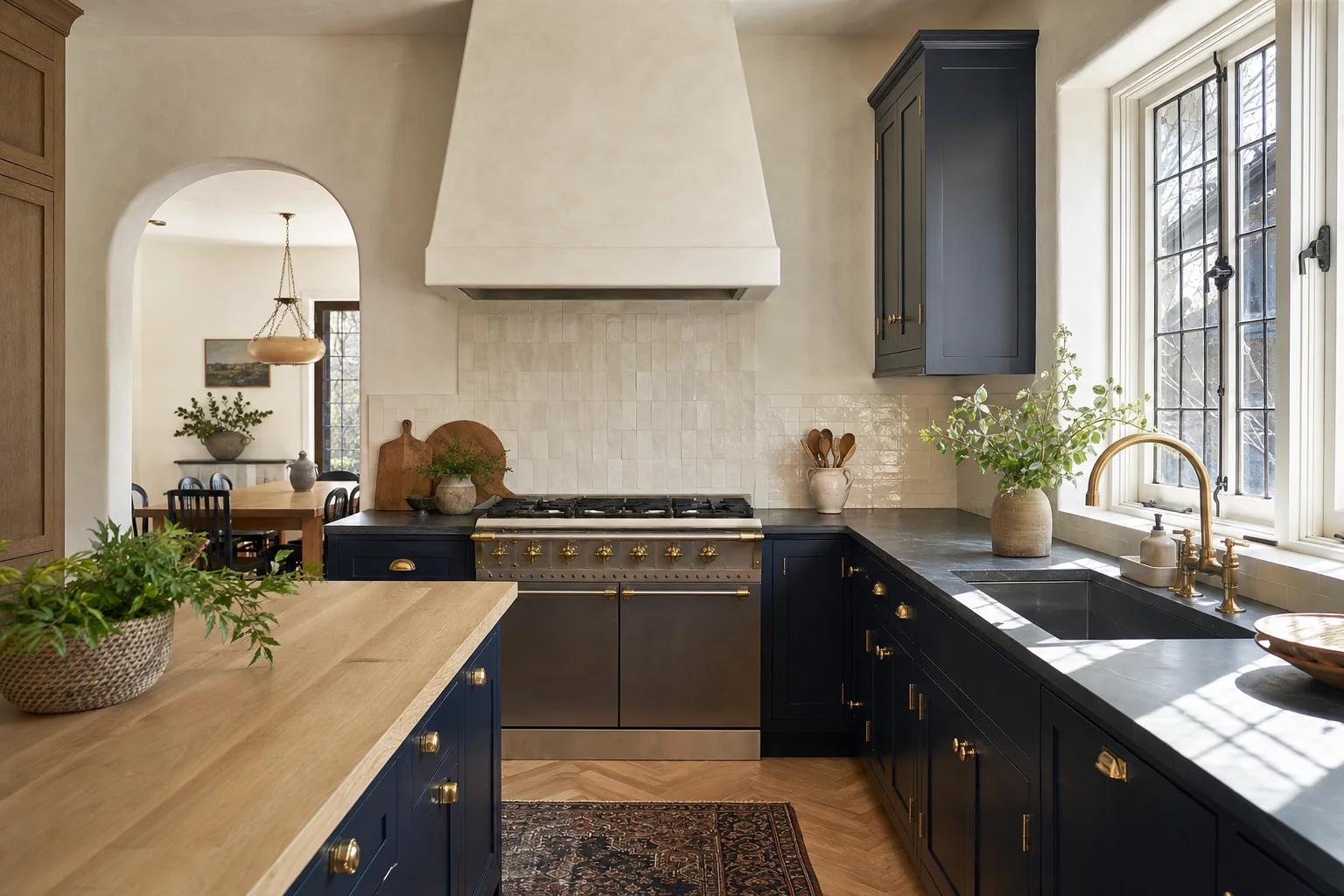
Illustrative image Kitchen Remodeling
Kitchen remodels that update the layout, cabinets, counters, lighting and finishes, planned around how you cook and use the room.
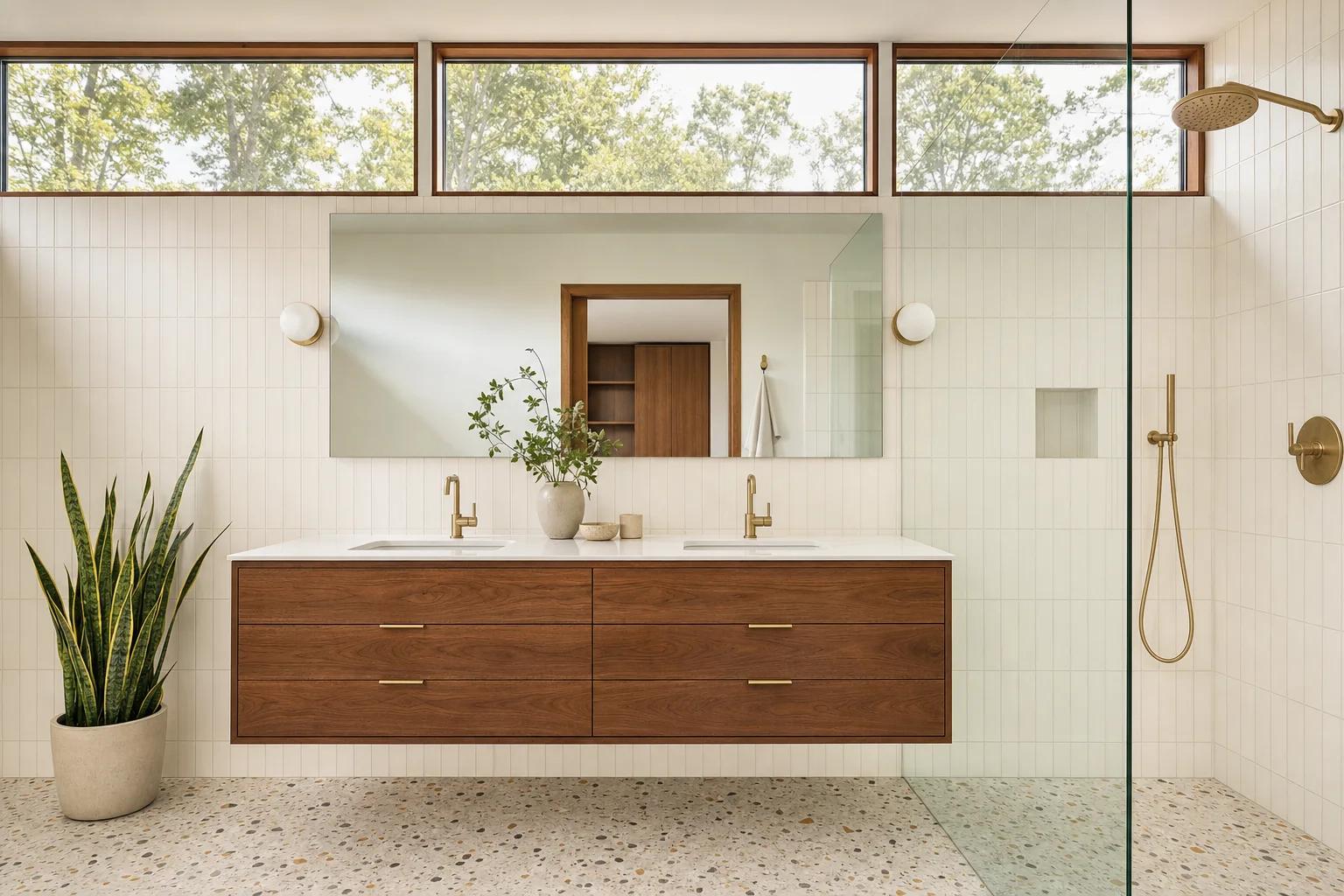
Illustrative image Bathroom Remodeling
Bathroom remodels built on sound waterproofing and ventilation, with fixtures and finishes that fit who uses the room.
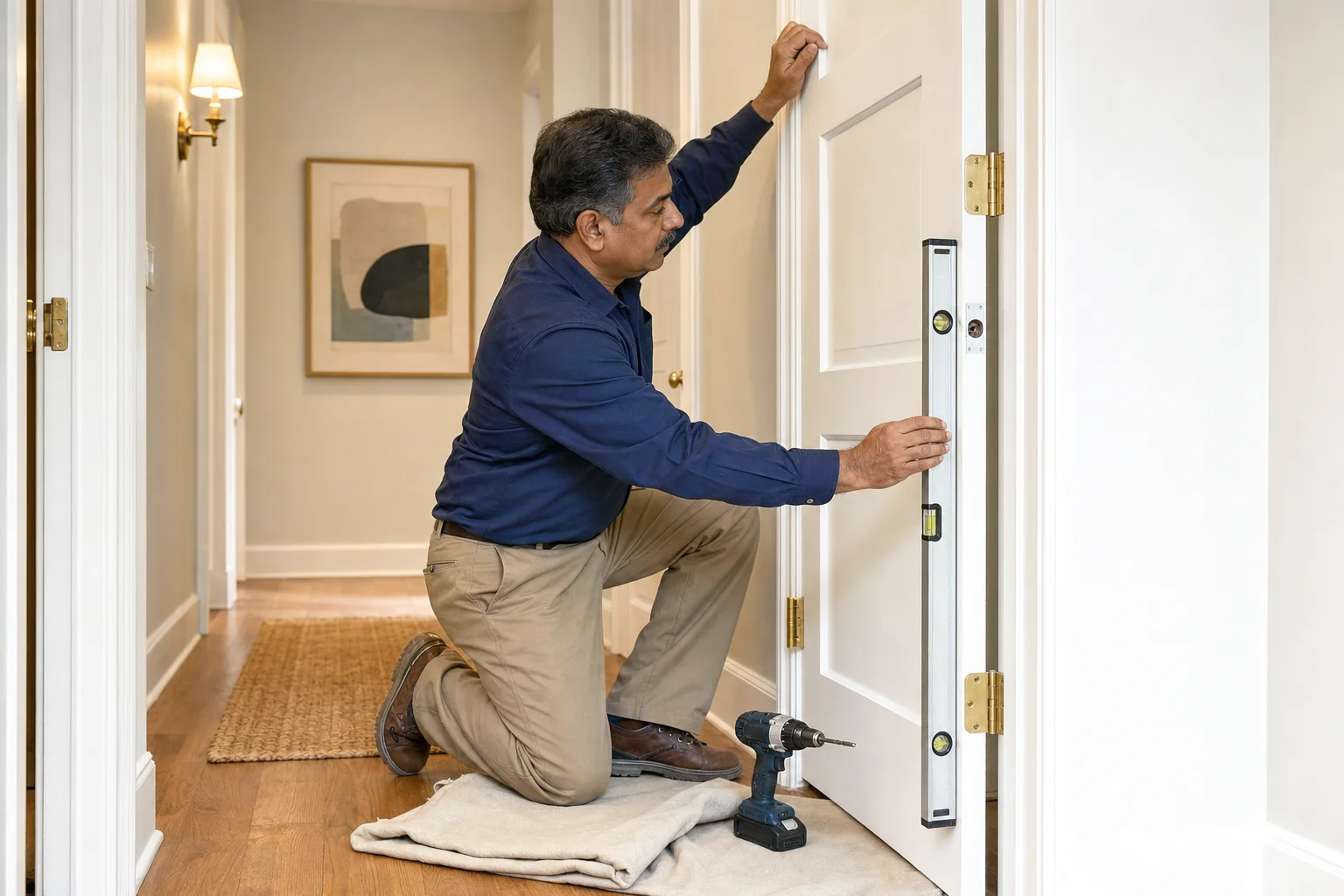
Illustrative image Repairs & Maintenance
Planned repair visits for the small and mid-size problems that build up in a home or building, from sticking doors to rotted trim and loose railings.
Inspiration
Design inspiration for Michigan projects
Styles, materials and layouts suited to Michigan homes and businesses, to help you picture your own project.
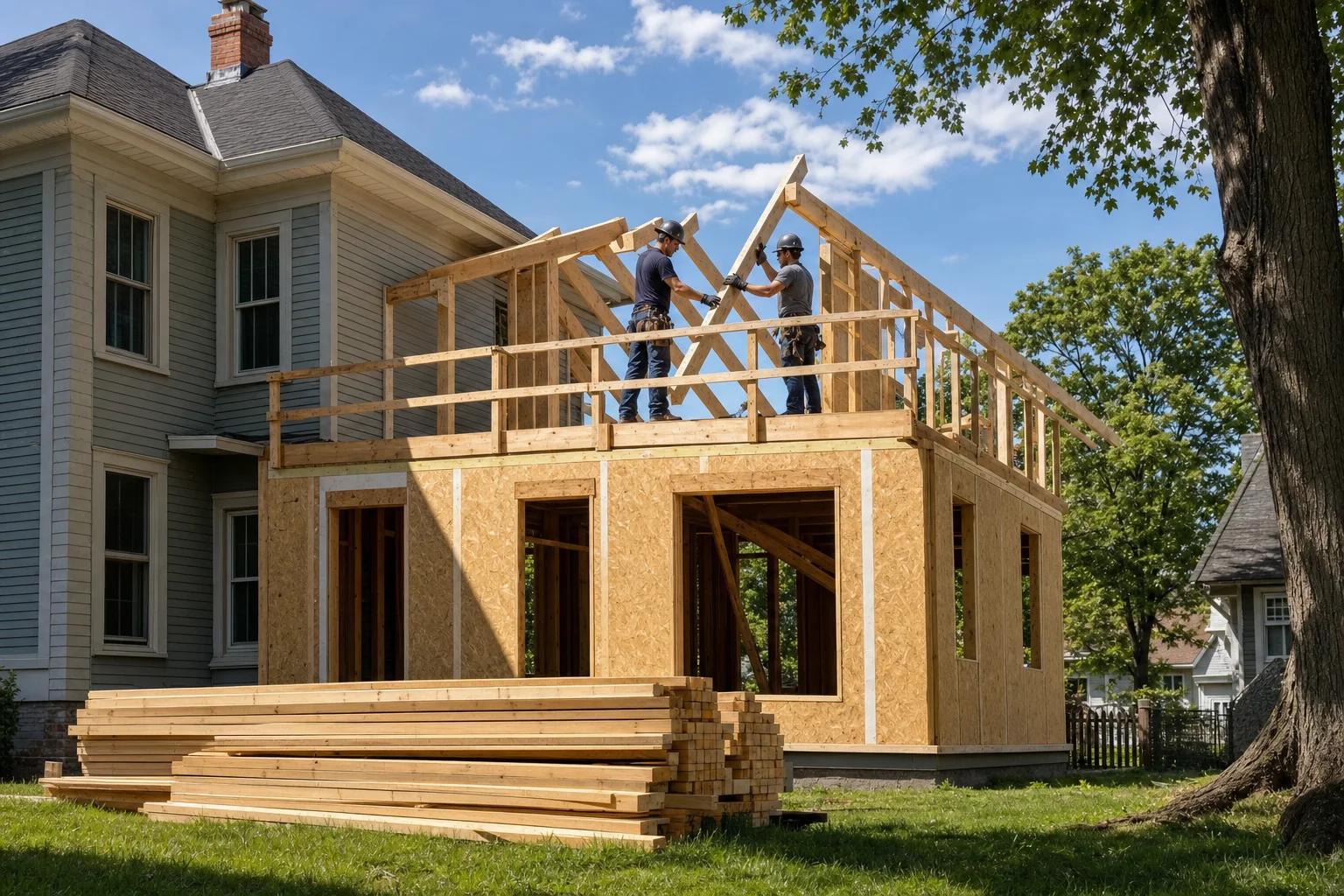
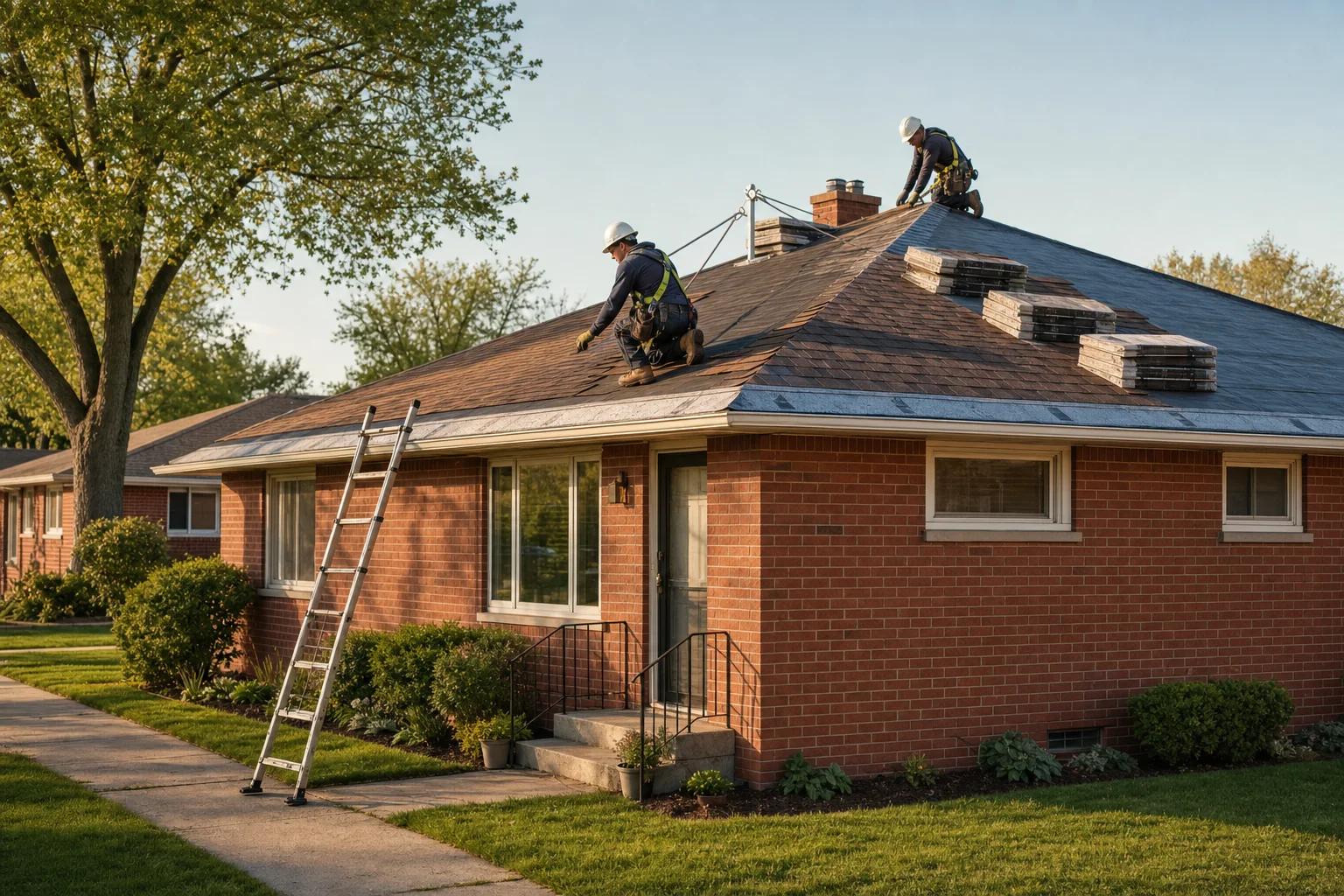
Images are illustrative and created for this website. They are not photographs of completed customer projects.
How it works
Our Simple 4-Step Process
- 1
Consult
Tell us about your project and goals. We review the location, scope and any constraints.
- 2
Plan
We define the scope in writing, confirm selections and identify permits the work may need.
- 3
Build
Work proceeds against the agreed plan, with updates when decisions or changes come up.
- 4
Enjoy
We walk through the finished work with you and hand over care and warranty information.
Questions
Michigan Project FAQs
Do I need a permit to remodel a kitchen or bathroom in Michigan?
Often, yes. Ann Arbor, for example, says a building permit is required for home improvements whether you do the work yourself or hire someone. Grand Rapids lists a remodel or repair permit and separate trade permits, and notes that one project can need several permits. Rules vary by city, so the permit list for your address is confirmed during planning.
How do I check a Michigan contractor's license?
Use LARA's MiPLUS license search. For work on a home, look for a residential builder or residential maintenance and alteration contractor license. Electrical, plumbing and mechanical work needs a separate trade license under the Skilled Trades Regulation Act. Make sure the name on the license matches the name on your contract.
Which building code applies to my project right now?
For one- and two-family homes and townhouses, the 2015 Michigan Residential Code is still in use while a lawsuit over the 2021-based update continues. Commercial projects use the 2021 Michigan Building Code and related 2021 codes. Code status can change, so the edition is confirmed with the building department when the permit application is prepared.
When should I schedule roofing, foundation or other exterior work?
Plan exterior work for when the ground is not frozen and snow is not expected. Michigan footings must go 42 inches below grade, and West Michigan gets lake-effect snow when winds blow off Lake Michigan. Interior remodels can run year-round. Start planning early so permits are in hand when the weather opens up.
My home is in a historic district or a condo association. What changes?
Cities such as Detroit, Grand Rapids, Ann Arbor and Kalamazoo have local historic districts. There, exterior work such as roofs, doors, porches and fences usually needs historic approval, and in Detroit that approval comes before the building permit. Condo and homeowner associations set their own rules, so bring your bylaws or architectural guidelines to the first planning conversation.
What should I have ready before a planning call?
Have the project address, photos of the area, rough measurements, the year the home was built, and any association rules. If the home was built before 1978, expect lead-safe work practices wherever painted surfaces are disturbed. A list of must-haves and nice-to-haves helps set scope and order of work.
Sources (14)
- City of Ann Arbor Planning & Development Services - Construction Services · checked 2026-09-24
- Home Builders Association of Michigan · checked 2026-09-24
- 2015 Michigan Residential Code, Chapter 4 (as published by UpCodes) · checked 2026-09-24
- National Weather Service, Grand Rapids · checked 2026-09-24
- U.S. Environmental Protection Agency · checked 2026-09-24
- Michigan Legislature (Occupational Code, MCL 339.2401) · checked 2026-09-24
- Michigan Legislature (Skilled Trades Regulation Act, 2016 PA 407) · checked 2026-09-24
- Michigan LARA MiPLUS (Accela Citizen Access) · checked 2026-09-24
- Historic Boston-Edison Association (summary of Detroit Historic District Commission process) · checked 2026-09-24
- City of Grand Rapids Development Center · checked 2026-09-24
- City of Grand Rapids Historic Preservation Commission · checked 2026-09-24
- City of Ann Arbor · checked 2026-09-24
- City of Ann Arbor Historic Preservation · checked 2026-09-24
- City of Kalamazoo · checked 2026-09-24
Local resources
Planning guides for Michigan
Ready to Start Your Michigan Project?
Tell us what you are planning and where. We'll confirm availability for your address and follow up to talk through scope and next steps.