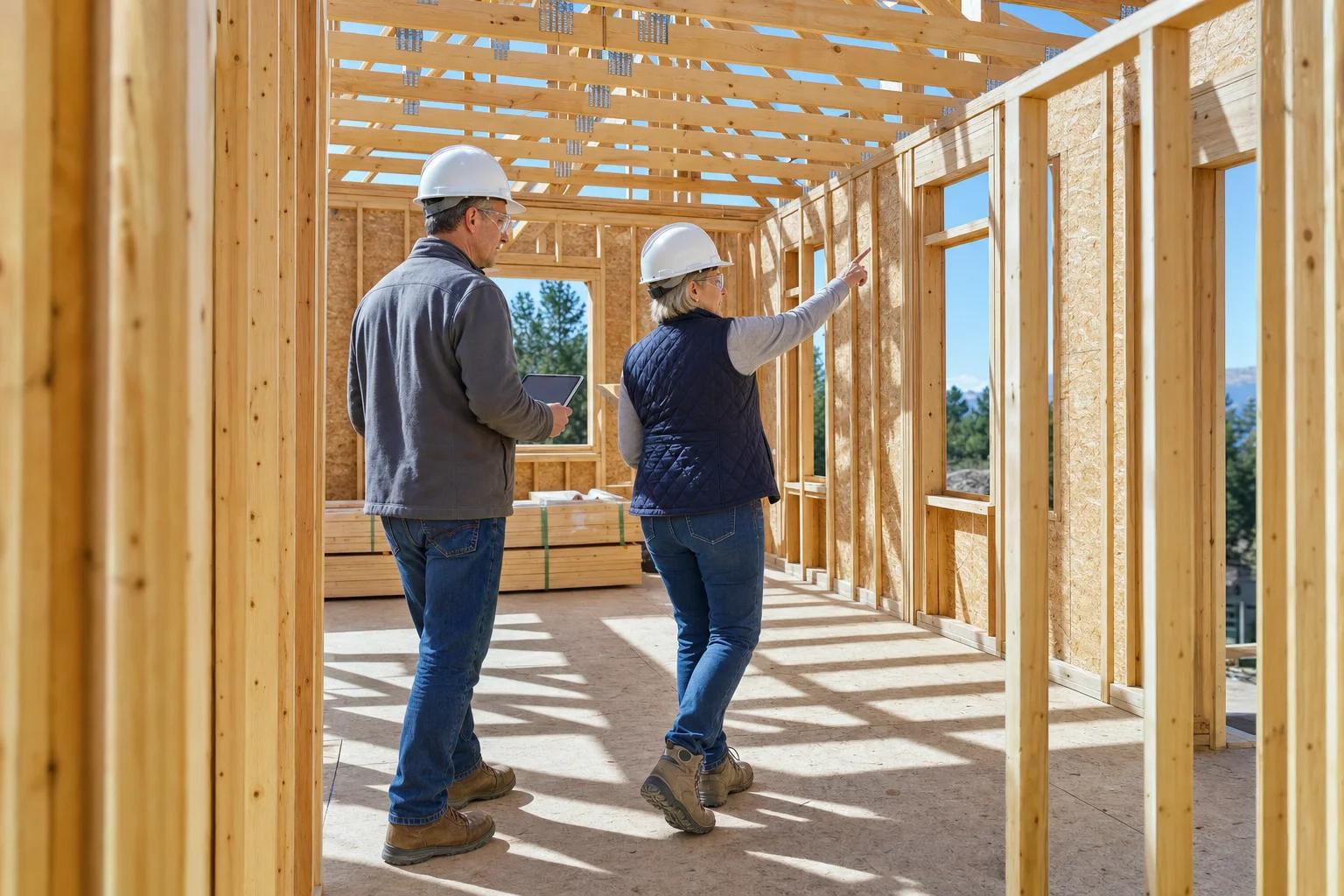

Remodeling cost depends mostly on four things: the scope of work, the condition of the house, the materials you choose, and the rules that apply once work begins. Every project is different, so a reliable number comes only from a written estimate for your own scope. This guide explains what moves that number so you can plan and compare estimates.
Scope and layout
- Size of the area: more floor, wall and ceiling area means more material and labor.
- Layout changes: moving sinks, toilets, gas lines, walls or windows adds trades and coordination.
- Structural work: removing or changing a load-bearing wall may need an engineer's design and permit review.
- Number of trades: each added trade adds scheduling, supervision and inspection steps.
Materials and finish level
- Cabinets: stock, semi-custom and custom lines differ in price and lead time.
- Counters and tile: the material, the amount of cutting and the layout pattern all affect labor.
- Fixtures and appliances: who buys them, and whether they are special-order items with return limits.
- Allowances: if an estimate uses an allowance for an item, ask what happens when your choice costs more or less.
Condition of the existing house
Walls and floors can hide rot, old water damage, out-of-level framing, or wiring and plumbing that must be updated. Many of these problems are found only after demolition. Ask each contractor how their estimate handles hidden conditions and how pricing for that extra work is agreed before it starts.
Rules that can add work
- Lead paint: in homes built before 1978, the EPA Renovation, Repair and Painting Rule requires firms paid to disturb painted surfaces to be certified and to use lead-safe work practices.
- Asbestos: EPA suggests an inspection by a trained and accredited asbestos professional if you plan to remodel, since remodeling can disturb building materials.
- Flood zones: under the National Flood Insurance Program, an improvement whose total cost equals or exceeds 50 percent of the building's market value is a substantial improvement, and the building must then meet the requirements for new construction.
- Windows: ENERGY STAR sets window requirements by climate zone, so if you want ENERGY STAR windows, confirm the products in your estimate are certified for your zone.
How to compare estimates
The Federal Trade Commission advises getting more than one written estimate that describes the work, the materials, the completion date and the price. It also advises against picking the lowest bid automatically and suggests asking for an explanation when bids differ a lot.
- Do all estimates cover the same scope and the same materials, down to model numbers?
- Which items are allowances, and what are they set at?
- Are permits, inspections, demolition, haul-away and cleanup included?
- How are hidden conditions and change orders priced?
- What is the payment schedule, and what work does each payment cover?
Sources (5)
- Federal Trade Commission · checked 2026-09-24
- U.S. Environmental Protection Agency · checked 2026-09-24
- U.S. Environmental Protection Agency · checked 2026-09-24
- Federal Emergency Management Agency · checked 2026-09-24
- ENERGY STAR (U.S. EPA and DOE) · checked 2026-09-24
This guide is general information, not legal, engineering or financial advice. Rules, costs and timelines vary by location and project — confirm specifics for your address.